English
 Arabic
 French
 Spanish
 Portuguese
 Deutsch
 Turkish
 Dutch
Dutch
 Italiano
 Russian
 Romaian
 Portuguese (Brazil)
 Greek
Greek
Trending Read Fishbone Cinderella by Elizabeth Lim
Sports |
2026-06-19 01:29:49
 Advertise With Us
 About Us
 Terms And Conditions
 سياسة الخصوصية
عرض كل النتائج
سياسة الخصوصية
عرض كل النتائج

ترقية الحساب
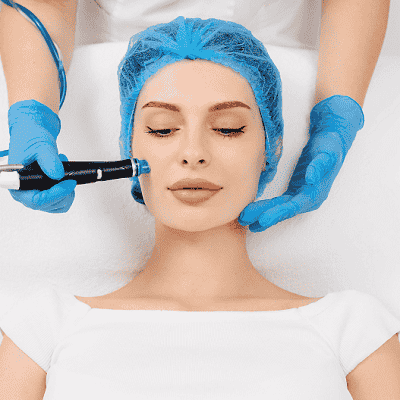
Skin congestion is a common concern that can leave the complexion looking dull, uneven, rough, or more prone to clogged pores. Excess oil, dead skin cells, environmental impurities, and buildup from skincare or makeup can accumulate on the skin’s surface and contribute to congestion. For people dealing with these concerns, a facial treatment that combines cleansing, exfoliation, extraction, and hydration may sound appealing.
One option that has gained attention is HydraFacial Treatment. This non-invasive facial treatment is designed to cleanse and exfoliate the skin while helping remove impurities from pores and replenish moisture. But can it actually help with congested skin?
For many people, HydraFacial Treatment may be a useful option for improving the appearance of clogged and congested skin, particularly when congestion is mild to moderate. However, it is important to understand what the treatment can and cannot do, especially when congestion is linked to persistent acne or an underlying skin condition.
Skin congestion generally refers to a buildup of oil, dead skin cells, debris, and other impurities within or around the pores. When pores become blocked, the skin may develop blackheads, whiteheads, small bumps, uneven texture, or a generally dull appearance.
Several everyday factors can contribute to congestion. Naturally oily skin can produce more sebum than the pores can comfortably handle. Inadequate cleansing may allow makeup, sunscreen, oil, and environmental particles to remain on the skin. At the same time, excessive exfoliation can irritate the skin barrier and potentially make certain skin concerns more noticeable.
Hormonal fluctuations may also influence oil production. Stress, climate, humidity, lifestyle habits, and certain skincare or cosmetic products can play a role as well.
Congestion does not necessarily mean that the skin is dirty. It is often a combination of natural oil production, cellular turnover, and pore blockage. That is why harsh scrubbing or aggressive cleansing is not always the best solution.
HydraFacial Treatment typically involves several stages intended to refresh the skin. The process commonly includes cleansing, exfoliation, extraction, and hydration.
The cleansing and exfoliation stages help remove surface impurities and dead skin cells. Gentle exfoliation can help improve the appearance of rough texture and allow subsequent skincare products to be applied more evenly.
One of the most relevant steps for congested skin is extraction. HydraFacial Treatment uses a specialized device to create a gentle vacuum effect that helps loosen and remove impurities from pores. Unlike manual extraction, which can involve squeezing the skin, the treatment is generally designed to perform extraction without the same degree of direct pressure.
The treatment also focuses on hydration. This is important because skin that feels oily or congested can still become dehydrated. Overly aggressive attempts to remove oil may leave the skin feeling tight and uncomfortable. A treatment that combines pore cleansing with hydration can provide a more balanced approach.
The exact steps and products used during a HydraFacial Treatment can vary according to the treatment protocol and individual skin needs.
HydraFacial Treatment may help improve the appearance of clogged pores, especially when congestion is primarily caused by surface buildup and excess oil.
The exfoliation component can help remove dead skin cells that contribute to a rough or uneven surface. The extraction stage may then help clear some pore impurities. As a result, the skin can appear smoother, fresher, and more refined after treatment.
However, the effect should not be viewed as a permanent solution for pore congestion. Pores naturally produce sebum, and the skin continues to shed cells. New buildup can therefore develop over time.
People with recurring congestion may benefit from combining professional treatments with a consistent home skincare routine. Gentle cleansing, appropriate exfoliation, non-comedogenic skincare products, sun protection, and adequate moisturization can all support longer-term skin health.
It is also worth remembering that pores cannot literally be erased or permanently closed. Treatments can make pores appear less noticeable by improving the surrounding skin texture and reducing visible buildup.
One reason HydraFacial Treatment is popular is that it combines several skincare steps into a single session. For someone experiencing congestion alongside dullness, roughness, or dehydration, this combination may offer multiple benefits.
Potential benefits include:
Gentle exfoliation: Helps remove accumulated dead skin cells from the surface.
Pore cleansing: The extraction process can help remove certain impurities and excess oil.
Smoother texture: Removing surface buildup may make the complexion feel softer and more even.
Improved hydration: Hydrating solutions used during treatment can help support a comfortable skin feel.
Temporary radiance: The skin may look brighter and fresher following treatment.
Minimal downtime: Many people can return to their normal activities relatively quickly, although individual reactions can vary.
The treatment may be particularly appealing to people who want a refreshed complexion without undergoing an invasive procedure.
That said, results are individual. Someone with severe or persistent acne, inflamed lesions, significant sensitivity, or another underlying dermatological condition may require a more targeted approach.
Although HydraFacial Treatment can be suitable for many skin types, it is not automatically appropriate for every person or every type of congestion.
Someone experiencing mild clogged pores and dullness may find the treatment helpful. However, persistent breakouts, painful acne, significant redness, active skin infections, or unexplained changes in the skin may need professional assessment before treatment.
A qualified skincare professional can evaluate the condition of the skin and determine whether a HydraFacial Treatment is appropriate. It may also be possible to adjust the treatment to make it more comfortable for sensitive or reactive skin.
People should also disclose relevant skincare products and treatments they are currently using. Certain prescription or professional treatments can increase skin sensitivity, making it important to plan exfoliation and other facial procedures carefully.
After treatment, the skin may be temporarily more sensitive. Following recommended aftercare, avoiding unnecessary irritation, and protecting the skin from sun exposure can help support the recovery of the skin barrier.
A professional facial can provide a useful refresh, but everyday skincare habits remain important for managing congestion.
A gentle cleanser can help remove excess oil, sunscreen, makeup, and daily impurities without unnecessarily stripping the skin. Moisturizer can help maintain the skin barrier, even when the complexion tends to be oily.
A suitable exfoliating ingredient may also help reduce the accumulation of dead skin cells. However, exfoliation should be introduced carefully. Using multiple strong exfoliating products at once can irritate the skin and may worsen sensitivity.
Sun protection is another important part of a healthy skincare routine. Daily broad-spectrum sunscreen can help protect the skin from ultraviolet exposure and support overall skin appearance.
People who frequently experience clogged pores should also consider whether their cosmetic and skincare products are suitable for their skin type. Products labeled non-comedogenic may be preferable for people who are prone to blocked pores, although no product can guarantee that breakouts will never occur.
Professional treatments can complement these habits, but they should not replace appropriate daily skincare.
Occasional congestion is usually manageable, but persistent or worsening skin concerns deserve more attention.
If clogged pores are accompanied by painful pimples, widespread inflammation, scarring, intense itching, persistent redness, or sudden changes, a healthcare professional or qualified dermatology professional can help identify the underlying cause.
This is particularly important when home skincare and cosmetic treatments have not improved the condition. What appears to be simple congestion may sometimes be acne, folliculitis, dermatitis, or another skin problem that requires a different treatment strategy.
HydraFacial Treatment may help improve the surface appearance of congested skin, but it is not intended to diagnose or treat every cause of acne or skin inflammation.
A personalized approach is generally the most effective way to determine whether the treatment is appropriate and how frequently it should be performed.
1. Can HydraFacial Treatment remove clogged pores?
HydraFacial Treatment may help remove surface buildup and impurities from pores through exfoliation and gentle extraction. It can improve the appearance of congestion, but pores naturally continue producing oil and shedding skin cells, so new buildup can occur.
2. Is HydraFacial Treatment good for oily and congested skin?
It may be beneficial for oily or congested skin because the treatment combines cleansing, exfoliation, extraction, and hydration. However, the ideal approach depends on the individual’s skin condition, sensitivity, and underlying concerns.
3. Can HydraFacial Treatment help with blackheads?
The extraction component may help reduce the appearance of some blackheads by removing pore buildup. Results can vary, and recurring blackheads generally require an ongoing skincare routine rather than relying on a single treatment.
4. How often can HydraFacial Treatment be performed for congestion?
Treatment frequency should be based on individual skin needs and professional guidance. More frequent treatment is not necessarily better, particularly for sensitive or easily irritated skin.
5. Does HydraFacial Treatment have downtime?
HydraFacial Treatment is generally considered a low-downtime procedure. Some people may experience temporary redness, sensitivity, or mild irritation afterward. Following post-treatment guidance can help minimize discomfort.
6. Is HydraFacial Treatment a replacement for acne treatment?
Not necessarily. HydraFacial Treatment may improve certain surface concerns associated with congestion, but persistent, moderate, or severe acne may require a medically guided treatment plan. A qualified professional can recommend an appropriate approach.
HydraFacial Treatment can be a useful option for people who want to address mild skin congestion while also improving hydration, smoothness, and overall radiance. Its combination of cleansing, exfoliation, extraction, and hydration makes it different from a basic facial and may help reduce the visible effects of pore buildup.
However, results are not permanent, and the treatment is not a cure for every type of acne or skin condition. Consistent home skincare and appropriate professional guidance remain important for managing recurring congestion.
For anyone considering HydraFacial Treatment, an assessment of the skin beforehand can help determine whether the procedure is suitable and which treatment approach may be most appropriate. When used thoughtfully, it can be part of a broader skincare routine focused on keeping congested skin looking clearer, smoother, and healthier.
Read More About HydraFacial Treatment: https://writer.zohopublic.com/writer/published/vg7pxb08899d119544316b0338a526928a3b2