English
 Arabic
 French
 Spanish
 Portuguese
 Deutsch
 Turkish
 Dutch
Dutch
 Italiano
 Russian
 Romaian
 Portuguese (Brazil)
 Greek
Greek
LEGO UK Inspiring Creativity and Imagination for Every Generation
Shopping |
2026-05-08 15:46:39
 Advertise With Us
 About Us
 Terms And Conditions
 Политика конфиденциальности
Смотреть все
Политика конфиденциальности
Смотреть все

Обновить до Про
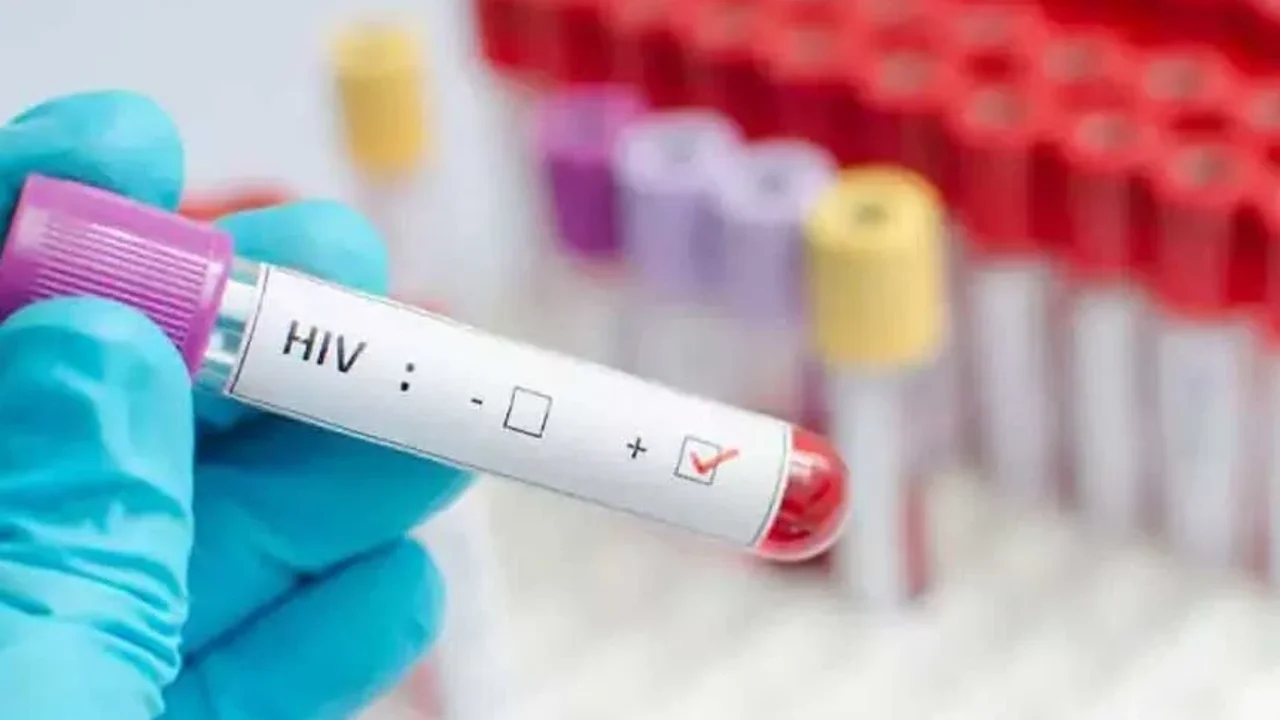
HIV antigen and antibody tests are commonly used methods for screening for human immunodeficiency virus. If you are considering an HIV Test in Dubai, understanding the difference between antigens and antibodies can help you understand how modern HIV screening works.
Antibodies are produced by the immune system in response to HIV, while the p24 antigen is a protein associated with the virus. Fourth-generation HIV tests look for both markers, allowing healthcare professionals to screen for infection using more than one biological indicator.
HIV infection develops over time, and different markers can become detectable at different stages. Antibodies may take time to develop, while the p24 antigen can become detectable earlier.
Testing for both markers can therefore improve the ability of laboratory screening to identify HIV compared with tests that look only for antibodies.
HIV antibodies are proteins produced by the immune system after exposure to HIV.
An antibody test looks for these immune-system markers in a person's sample. Because antibody development takes time, testing too soon after exposure may not detect a recent infection.
The p24 antigen is a protein associated with HIV. It can become detectable before the immune system produces enough antibodies to be identified by some antibody-only tests.
Fourth-generation testing combines p24 antigen detection with antibody detection to provide a broader approach to HIV screening.
An STD Test in Dubai may include HIV screening alongside tests for other sexually transmitted infections. The exact tests included depend on the selected screening panel.
If you are concerned about a recent possible exposure, tell the healthcare provider when it occurred. The timing can help determine which HIV testing method is appropriate.
A fourth-generation HIV test is designed to detect both HIV antibodies and the p24 antigen.
It is commonly used as a laboratory screening method and can identify infection earlier than many antibody-only tests.
A laboratory fourth-generation test generally requires a blood sample collected from a vein.
A healthcare professional usually collects a small amount of blood from your arm. The sample is then sent to a laboratory for analysis.
The laboratory checks the sample for the markers included in the specific HIV test. The blood collection process is generally quick, and fasting is usually not required.
The window period refers to the time between possible exposure and when a particular HIV test can reliably detect infection.
The length of the window period varies according to the testing method. Testing too early may result in a negative finding even if infection has occurred.
The date of possible exposure is important when interpreting an HIV test. If testing occurs during the early window period, the relevant antigen or antibodies may not yet be detectable.
A healthcare professional may recommend repeat testing when appropriate.
A negative result generally means that the test did not detect the HIV markers it was designed to identify.
If the test was performed during an appropriate detection period, the result can provide useful information. If exposure was recent, additional testing may be recommended.
A reactive result means that HIV-related markers were detected and that further evaluation is required.
A reactive screening result does not automatically mean that HIV infection has been confirmed. Additional testing is generally needed to confirm or clarify the result.
The main difference is what each test looks for. Antigen testing detects a component associated with the virus, while antibody testing detects the immune system's response to HIV.
Fourth-generation tests combine both approaches, allowing the laboratory to look for the p24 antigen and HIV antibodies in the same screening test.
No. Even though fourth-generation testing can detect infection earlier than some antibody-only methods, HIV cannot necessarily be detected immediately after exposure.
If exposure was recent, speak with a healthcare professional about the appropriate testing schedule.
People seeking routine HIV screening or testing after a possible exposure may discuss fourth-generation antigen and antibody testing with a healthcare professional.
The most suitable method depends on the individual's circumstances and the timing of possible exposure.
Once the laboratory completes the analysis, the result is provided through the testing facility or healthcare professional.
If the result is negative, the provider can determine whether the timing of testing was appropriate. If the result is reactive, additional testing may be required.
Antigen and antibody testing provides an important approach to HIV screening by looking for both the p24 antigen and the body's antibody response. If you are considering an HIV Test in Dubai, understanding fourth-generation testing, the HIV window period, sample collection, and result interpretation can help you make informed decisions about HIV screening.