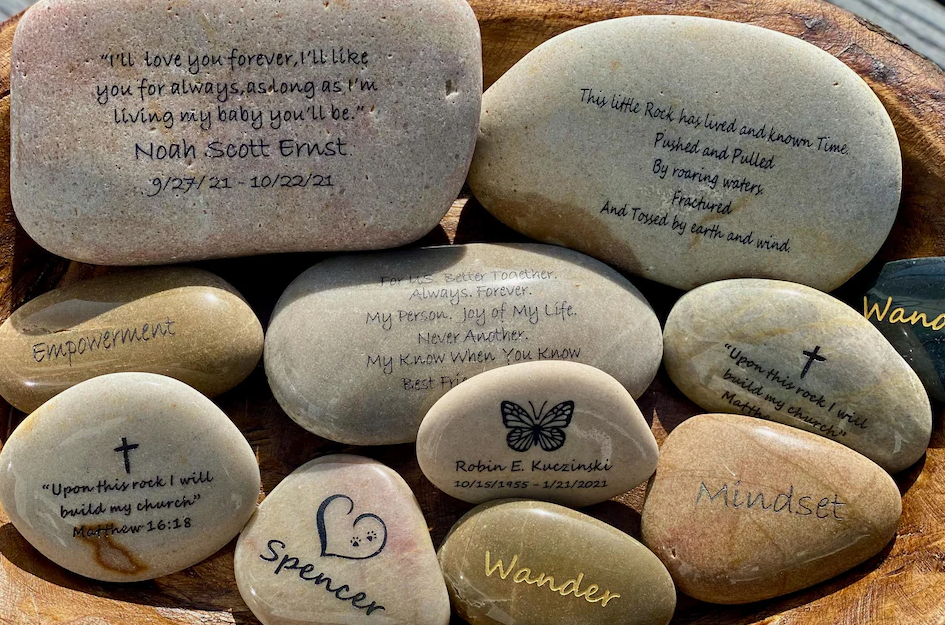
Natural stone brings a distinctive combination of durability, texture, and character to outdoor environments. custom engraved stones add another dimension by incorporating personalized names, addresses, dates, messages, or decorative details directly into the stone. These features can be used throughout residential landscapes, commercial properties, gardens, memorial spaces, entrances, and pathways. Because each natural stone has its own shape and surface characteristics, the finished piece can feel genuinely connected to its surroundings rather than looking like a standard manufactured sign.
For homeowners, businesses, and property designers, custom engraved stones offer a versatile way to combine visual appeal with practical information. A stone can identify a property, commemorate an important person or event, mark a garden, or create a distinctive entrance feature. Achieving the best result requires more than selecting an attractive rock. The stone's size, surface, lettering, placement, visibility, and relationship with surrounding landscaping should all be considered before installation.
Choosing the Right Stone
The natural characteristics of a stone determine much of the finished appearance. Rocks vary in color, texture, shape, hardness, and available engraving area, so selection should be based on the intended purpose. A broad, relatively smooth face can accommodate larger lettering or more detailed designs, while an irregular rock can create a more rustic appearance. The stone should also be appropriately sized for the property. A small garden may suit a compact marker, while a commercial entrance may require a larger stone that can be recognized from a greater distance.
Planning the Engraving Design
A successful engraving begins with careful planning. The wording, font, spacing, alignment, and overall layout should be considered before the stone is marked. Longer messages require more surface area and may need smaller lettering, while short names or numbers allow greater flexibility. Typography should reflect the purpose of the stone without sacrificing readability. Simple lettering is often effective for address markers and business identification, while more decorative styles may work well for garden or memorial features. Reviewing the proposed design against the actual stone can help ensure that the inscription fits naturally within its shape.
Improving Lettering Visibility
Readability should remain a central consideration when designing an engraved stone. Natural rock surfaces can contain variations in color, grain, and texture that influence how lettering appears. A design that looks clear up close may become difficult to read from the street or across a large garden. Letter size should therefore reflect the expected viewing distance. Contrast-enhancing finishes may also be appropriate in some applications, particularly when the stone contains complex natural patterns. Proper spacing between letters and lines can further improve clarity while preserving a clean appearance.
Using Engraved Stones for House Numbers
A personalized stone can provide an attractive alternative to traditional address plaques. Positioned near a driveway or front entrance, it can identify a property while becoming part of the surrounding landscape. House numbers should be sufficiently large and positioned where they can be seen from the road. Homeowners should consider seasonal plant growth, parked vehicles, fences, snow, and other potential obstructions. The stone should also be placed safely away from vehicle paths while remaining close enough to clearly indicate the correct property entrance.
Enhancing Gardens and Outdoor Living Areas
Gardens offer numerous opportunities for personalized stone features. An engraved stone can identify a garden section, display a family name, commemorate an occasion, or provide a meaningful decorative message. Plants and groundcover can be arranged around the stone to integrate it with the landscape. However, vegetation should not hide the inscription. Low-growing plants, decorative gravel, and mulch can frame the rock while preserving visibility. Considering how plants will mature over time is important because a design that looks balanced immediately after installation may change significantly as the landscape grows.
Creating Memorial and Tribute Features
Stone is often well suited to memorial applications because of its substantial appearance and durability. A personalized stone can honor a loved one, pet, meaningful location, or important milestone. Names, dates, short messages, and carefully selected words can create a meaningful tribute without requiring a large amount of text. The surrounding landscape can further establish the tone of the memorial through flowers, trees, groundcover, or seating areas. The design should remain respectful and balanced, allowing the stone and its message to serve as the primary focus.
Supporting Commercial Property Identification
Businesses can use engraved stones to identify entrances, facilities, landscaped areas, and property boundaries. A natural stone featuring a business name can provide a substantial alternative to conventional signage while complementing architectural materials and landscaping. Commercial applications should prioritize visibility, professional proportions, and long-term durability. The stone should be large enough for visitors to recognize the information without appearing disproportionate to the property. Coordinating the stone's color and lettering with existing branding can also create a cohesive visual identity.
Considering Installation and Placement
Placement affects how effectively an engraved stone performs its intended function. Before installation, property owners should assess sightlines, pedestrian traffic, vehicle access, drainage, irrigation, underground utilities, and future landscape growth. Large stones may require specialized equipment for safe handling and positioning. The installation area should provide sufficient stability to prevent shifting over time. Proper placement can also prevent the stone from interfering with lawn equipment, vehicles, or pedestrian routes. Planning these factors before installation helps protect both the stone and the surrounding landscape.
Maintaining Personalized Stone Features
Natural stone generally requires limited maintenance, but outdoor conditions can gradually affect its appearance. Dirt, dust, leaves, moss, and nearby vegetation may reduce the visibility of engraved lettering. Gentle cleaning can restore the stone's appearance, while trimming surrounding plants can keep important information visible. Owners should also periodically inspect the ground around the stone for erosion or movement. If the engraving includes a contrasting finish, that treatment may require additional care depending on exposure to sunlight and weather. Regular maintenance helps preserve both the appearance and practical value of the feature.
Creating a Timeless Design
Personalized stone features are often intended to remain in place for many years, making timeless design an important consideration. Natural stone already provides substantial visual character, so balanced lettering and restrained decorative details can produce an attractive result without relying on temporary trends. Neutral colors and clear typography can remain compatible with changing landscaping and architectural styles. A simple, purposeful design also makes it easier to update surrounding plants or landscape elements without making the stone appear outdated.
Conclusion
custom engraved stones provide a durable and distinctive way to personalize residential and commercial landscapes. From house numbers and garden markers to memorials, business identification, and decorative entrance features, engraved stone can combine practical information with natural visual appeal. Choosing the right rock, planning readable lettering, considering installation conditions, and coordinating the feature with its surroundings are essential steps in creating a successful result. With appropriate care and a thoughtfully balanced design, a custom engraved stone can become a lasting part of an outdoor environment, adding character and meaning while maintaining its natural appeal for years to come.
 English
 Arabic
 French
 Spanish
 Portuguese
 Deutsch
 Turkish
 Dutch
Dutch
 Italiano
 Russian
 Romaian
 Portuguese (Brazil)
 Greek
Greek
 Advertise With Us
 About Us
 Terms And Conditions
 Politique de confidentialité
Tout voir
Politique de confidentialité
Tout voir