English
 Arabic
 French
 Spanish
 Portuguese
 Deutsch
 Turkish
 Dutch
Dutch
 Italiano
 Russian
 Romaian
 Portuguese (Brazil)
 Greek
Greek
Q Switch Laser Breakthroughs: Erase Sun Damage for Brighter Glow
Health |
2026-03-26 11:05:19
 Advertise With Us
 About Us
 Terms And Conditions
 سياسة الخصوصية
عرض كل النتائج
سياسة الخصوصية
عرض كل النتائج

ترقية الحساب
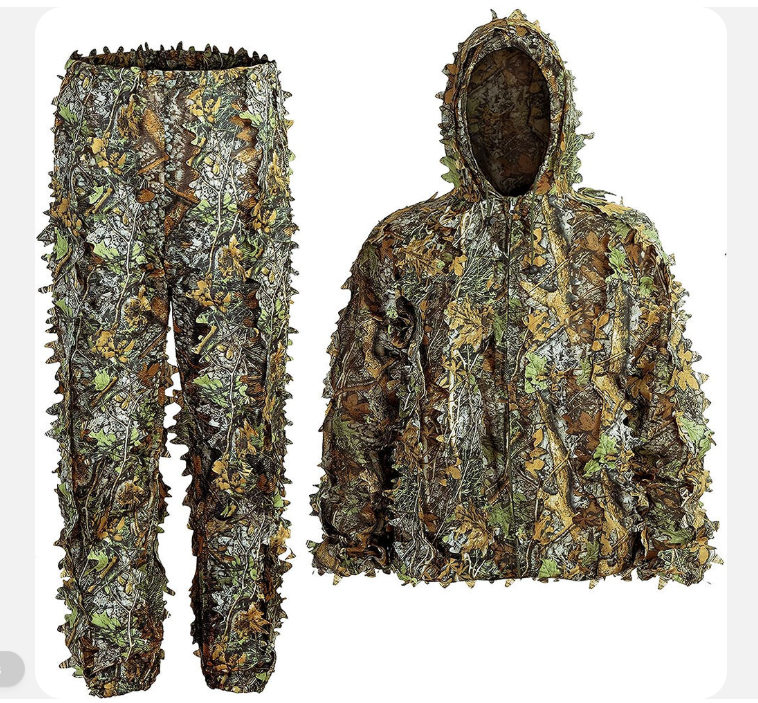
Choosing suitable camouflage clothing is an important consideration for outdoor users who spend extended periods in woodland, grassland, brush, and other natural environments. An Outfitter leafy hunting suit uses three-dimensional, leaf-like elements to add texture to the outer layer and help break up the wearer's visible outline. Unlike traditional printed camouflage, this type of clothing introduces physical depth that can complement complex natural backgrounds. For hunters and other outdoor enthusiasts, the right suit should combine appropriate visual blending with comfort, mobility, durability, and protection suited to the conditions.
Selecting an Outfitter leafy hunting suit requires more than choosing a pattern based on appearance alone. Terrain, seasonal vegetation, temperature, humidity, movement, and layering requirements can all affect the suitability of a particular design. A garment that works well in dense green woodland may not be appropriate for dry grassland or sparse late-season vegetation. Buyers should also consider how the suit fits over existing clothing and interacts with backpacks, footwear, and other outdoor equipment. A thoughtful selection process can result in a more comfortable and practical clothing system.
Three-dimensional leafy camouflage is designed to introduce irregular shapes and textures to an otherwise smooth garment. The added elements can help break up the recognizable shape of the human body when viewed against vegetation. Natural environments contain overlapping leaves, grass, branches, and shadows, so textured clothing can complement these irregular backgrounds. However, camouflage performance depends on the environment, lighting, distance, movement, and positioning. The garment should therefore be viewed as one component of outdoor preparation rather than a guarantee of concealment under every condition.
The surrounding terrain should influence the camouflage pattern selected. Woodland areas can include dark greens, brown branches, exposed soil, and areas of shadow, while open fields may contain lighter grass and fewer dense structures. Dry environments can introduce beige, tan, and muted brown tones. Seasonal changes are equally important because vegetation can become sparse or change color during different parts of the year. Buyers should identify where they expect to use the suit most frequently and select a pattern that complements the dominant vegetation. Considering actual field conditions is more useful than choosing a design solely because it looks attractive in a product image.
Outdoor temperatures can change significantly during a single outing, making weather adaptability an important factor. A lightweight leafy suit can function as an outer layer during mild weather, while colder conditions may require additional insulation underneath. Rain and wind can also influence comfort, particularly when users spend long periods outdoors without continuous movement. Buyers should consider whether the garment leaves sufficient room for base and insulating layers. Breathability is especially important in warmer conditions because excessive heat and trapped moisture can reduce comfort. A flexible layering system can make the same outer garment useful across a wider range of conditions.
Three-dimensional camouflage naturally adds some material compared with standard hunting clothing, so weight and mobility deserve careful attention. Outdoor users may need to walk over uneven terrain, crouch, kneel, sit, or navigate through vegetation. Excessive bulk can make these movements less comfortable, while overly loose material can snag on branches. Adjustable cuffs, waist sections, and other fit features can help keep the garment secure. Buyers should also consider how the suit works with backpacks and other equipment. Testing the complete setup with intended base layers can provide a better understanding of mobility than evaluating the suit on its own.
The behavior of camouflage material during movement can be an important consideration for hunters. Some fabrics and three-dimensional elements can produce sound when brushing against vegetation or rubbing together. Users should evaluate how a suit behaves during walking, crouching, and other ordinary movements. Quiet construction can be useful, but it should be balanced with durability, weather protection, and comfort. A garment that performs well in one area while creating significant disadvantages in another may not be the most practical choice. Considering the full range of expected outdoor conditions can help buyers make a more balanced decision.
Hunting environments can be demanding on clothing. Branches, thorns, rough ground, moisture, and repeated friction can place stress on seams and attached camouflage elements. Buyers should inspect stitching, mesh, elastic sections, closures, attachment points, and other areas likely to experience wear. Lightweight materials can provide excellent mobility, but they should still be appropriate for the intended environment. Those who frequently travel through dense brush may need more durable construction than occasional users who primarily operate in open terrain. The expected frequency and intensity of use should therefore influence material selection.
Camouflage clothing must remain comfortable enough to wear for the entire activity. Excessive heat, restricted movement, poor ventilation, or unnecessary weight can become significant distractions during extended outdoor use. Breathable construction can help manage moisture during periods of activity, while layering can provide warmth in colder conditions. Fit also matters because a garment that is too tight can restrict movement, while one that is excessively loose can become cumbersome. Users should evaluate the suit while wearing the clothing layers they expect to use outdoors. This provides a more realistic assessment of comfort and overall functionality.
Useful design features can make a leafy hunting suit easier to manage in outdoor environments. Depending on the garment, features may include adjustable hoods, secure cuffs, elastic waist sections, pockets, boot openings, or storage bags. These additions can improve convenience when they serve a clear purpose. However, buyers should not assume that a greater number of features automatically means better performance. Excessive additions can increase weight and complexity. The best approach is to identify which features are genuinely useful for the intended activity and select a garment that provides those benefits without unnecessary bulk.
Proper maintenance can help preserve both the fabric and three-dimensional camouflage elements. Users should follow the garment's care instructions and avoid harsh cleaning methods that may damage attached materials. After exposure to rain or damp vegetation, the suit should be dried completely before storage. Dirt, leaves, and other debris should be removed carefully rather than pulled forcefully from the garment. Regular inspection can identify loose stitching, damaged mesh, worn elastic, or other issues before they become larger problems. Storing the suit without excessive compression can also help preserve its three-dimensional appearance and construction.
A leafy hunting suit should be considered part of a complete outdoor clothing setup. Base layers can manage moisture, insulating garments can provide warmth, and appropriate outer layers can help address wind or rain. Footwear, gloves, headwear, and other accessories should also complement the surrounding environment. Users should consider how backpacks and other equipment interact with the suit, particularly around shoulders, waist areas, and storage pockets. Evaluating the complete system before an outing can help identify fit, mobility, and comfort issues before they become inconvenient in the field.
Choosing suitable camouflage clothing requires careful consideration of terrain, weather, comfort, mobility, durability, and intended use. An Outfitter leafy hunting suit can provide three-dimensional texture that helps break up the wearer's outline when its colors and construction complement the surrounding environment. However, the most heavily textured or feature-rich garment is not automatically the best choice. Buyers should evaluate weight, breathability, fit, quiet movement, layering capacity, construction quality, and compatibility with other outdoor equipment before making a decision. With proper care and thoughtful selection, leafy camouflage clothing can become a practical part of an outdoor wardrobe, providing a useful balance of comfort, durability, and environment-specific visual blending.