English
 Arabic
 French
 Spanish
 Portuguese
 Deutsch
 Turkish
 Dutch
Dutch
 Italiano
 Russian
 Romaian
 Portuguese (Brazil)
 Greek
Greek
Finding the Right Student Accommodation in Preston UK: A Practical Guide
Other |
2026-07-13 07:09:13
 Advertise With Us
 About Us
 Terms And Conditions
 Privacy Policy
Mostra tutti i risultati
Privacy Policy
Mostra tutti i risultati

Passa a Pro
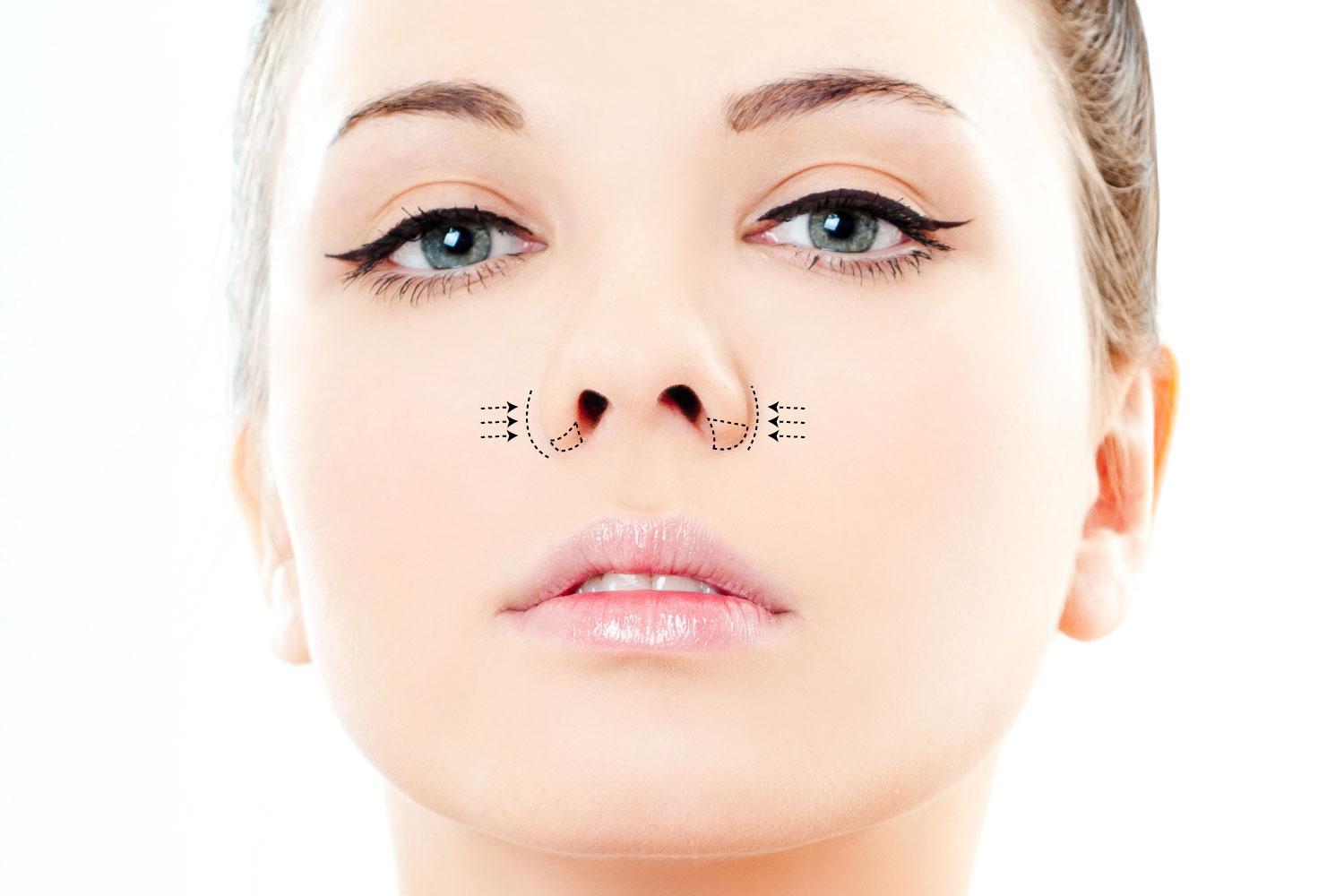
Alarplasty in Jeddah is a cosmetic procedure designed to refine the shape and width of the nostril area. It may be considered by individuals who feel that their nostrils appear too wide, the nasal base looks broad, or the outer edges of the nostrils flare more than they would prefer. Because the nose has a major influence on facial balance, even a focused change to the nostril region can affect the overall appearance of the face.
The procedure differs from full rhinoplasty because it primarily addresses the soft tissue around the nostrils rather than reshaping every part of the nose. This can make it an appealing option for people whose main aesthetic concern is limited to the nasal base. However, the procedure still requires detailed assessment because the nostrils contribute to both appearance and normal nasal function.
Alarplasty is a surgical technique used to modify the nasal alar, the soft tissue forming the outer edges of the nostrils. Depending on the patient's anatomy, the procedure may reduce the width of the nasal base, decrease excessive flare, or refine the shape of the nostril openings.
A carefully planned amount of tissue may be removed or repositioned, and the remaining tissue is then closed with sutures.
The purpose is not simply to make the nostrils smaller. The surgeon must consider the relationship between the nostrils and other nasal and facial features to achieve a natural-looking result.
Nostril shape varies considerably among individuals. Genetics, skin characteristics, nasal cartilage, soft tissue, and facial proportions all contribute to the appearance of the nasal base.
Some people naturally have wider nostrils, while others have narrower openings. Nostril flare can also become more noticeable during smiling or other facial expressions.
These variations are completely normal. However, individuals who are dissatisfied with their appearance may explore cosmetic options such as alarplasty.
People researching Alarplasty in Jeddah may be motivated by several concerns. Some want to reduce the apparent width of their nostrils, while others want to create a more refined transition between the nose and cheeks.
Common reasons include:
Broad nostrils
Excessive alar flare
Wide nasal base
Uneven-looking nostril proportions
Desire for a more refined appearance
Concern about the appearance of the nose from the front
Desire to improve overall facial harmony
The decision should be based on personal goals rather than pressure to meet a particular beauty standard.
A successful cosmetic result depends on proportion. The nostrils should be considered in relation to the nasal tip, bridge, lips, cheeks, and overall facial width.
Making the nostrils extremely narrow does not necessarily make the nose more attractive. In fact, excessive reduction can make the nose appear unnatural or disproportionate.
A professional assessment can help establish a realistic goal based on the individual's existing features.
Alarplasty may be considered for adults who have a specific cosmetic concern and understand the limitations of surgery.
A medical evaluation may include consideration of:
Overall health
Nasal anatomy
Skin and soft-tissue quality
Nostril width and shape
Nasal breathing
Previous nasal surgery
Previous injury
Cosmetic expectations
Individuals with functional nasal concerns should discuss them before proceeding. A cosmetic procedure should not overlook the importance of maintaining appropriate nasal function.
The consultation is an important stage because it allows the patient to explain exactly what they would like to change.
Some patients may be concerned about the horizontal width of their nostrils. Others may mainly notice outward flare. These concerns can require different approaches.
The medical professional may examine the nose from several angles and assess its relationship to the rest of the face.
If the patient's concern involves the nasal bridge or tip as well, the professional may explain whether a different or more comprehensive procedure would be appropriate.
Careful planning helps determine the amount and location of tissue modification.
The intended incision areas may be marked before surgery. The surgeon must consider the natural contours of the nostril and the desired final width.
Conservative modification is important. Removing too much tissue can create an overly narrow appearance, alter the natural contour, and potentially affect function.
Because each patient's anatomy is different, the surgical plan should not follow a fixed template.
During the procedure, the nasal area is prepared and the planned incision sites are identified.
Incisions are made in selected portions of the alar tissue. Depending on the specific technique, a limited amount of tissue may be removed or repositioned.
The remaining edges are carefully brought together and closed with sutures.
The procedure may be performed under local anesthesia in suitable circumstances. The appropriate anesthesia method is determined by the medical team after considering the patient's needs and the planned procedure.
Following alarplasty, patients may experience swelling, tenderness, mild discomfort, and temporary tightness around the nostril area.
The nose may initially look different from the expected final result. Swelling can make the nostrils appear larger or uneven during the early recovery period.
Patients should avoid unnecessary pressure or manipulation and follow all postoperative instructions carefully.
Guidance may be provided regarding wound care, medications, sleeping position, physical activity, and returning to normal routines.
Healing occurs gradually. The initial period focuses on wound healing and reducing swelling, while later stages involve tissue settling and scar maturation.
Patients should avoid judging the final outcome immediately after surgery.
Temporary asymmetry is possible during healing. This may become less noticeable as swelling decreases.
Follow-up appointments can help the medical team monitor the recovery and address concerns appropriately.
Because alarplasty involves surgical incisions, some degree of scarring is possible.
Incision placement is generally planned with the goal of keeping scars as discreet as possible. However, scar appearance varies according to individual healing characteristics.
Some patients may experience scars that initially appear firm or noticeable before gradually becoming softer and less visible.
Following postoperative wound-care instructions is important for supporting appropriate healing.
Patients should understand the potential risks before undergoing surgery. These can include:
Infection
Bleeding
Swelling
Delayed wound healing
Unfavorable scars
Asymmetry
Changes in sensation
Unsatisfactory cosmetic results
Need for revision surgery
Over-narrowing is another important consideration. Excessive tissue removal can produce an unnatural appearance and may potentially interfere with the nasal opening.
Alarplasty and rhinoplasty have different scopes.
Rhinoplasty can involve the nasal bones, bridge, cartilage, tip, and other structures. It may be performed for cosmetic or functional reasons.
Alarplasty primarily addresses the nostril base.
If the bridge and tip already have satisfactory proportions, isolated alarplasty may potentially address a patient's concern. If several nasal structures need modification, a more comprehensive procedure may be considered.
For appropriately selected patients, one potential advantage of alarplasty is its focused nature.
The procedure can concentrate on a specific aesthetic concern without automatically modifying the entire nose. This may be appropriate for individuals who are otherwise satisfied with their nasal structure.
However, targeted treatment is only beneficial when the nostril region is genuinely the primary concern.
Individuals considering Alarplasty in Jeddah should carefully assess the qualifications and experience of the medical professional.
Relevant considerations include experience with nasal procedures, appropriate clinical standards, clear communication, and willingness to discuss potential complications.
Patients should be cautious about guarantees of perfect results. Every face has natural asymmetry, and healing can vary considerably.
A good provider should focus on realistic improvement rather than promising an identical result to a reference photograph.
Before surgery, patients should understand what the recovery period will involve.
They may need to arrange adequate rest and temporarily modify certain activities. The medical team can provide instructions concerning medication, wound care, exercise, and follow-up.
Patients should also understand what symptoms are expected and which symptoms may require medical attention.
Following instructions carefully can support a smoother recovery.
Cosmetic surgery is not a process of creating perfection. The objective is generally to improve a feature while maintaining natural proportions.
Alarplasty can reduce the appearance of excessive width or flare, but it cannot guarantee perfect symmetry.
Patients should also understand that photographs may not accurately represent real-life appearance because of lighting, camera angles, facial expressions, and digital editing.
The structural changes made during alarplasty are intended to be long-lasting. Once healing is complete, the modified nasal base generally remains stable.
However, natural aging continues. Changes in skin elasticity and soft tissue can influence facial appearance over time.
Therefore, the long-term result should be viewed as a lasting refinement rather than a permanent freeze of facial appearance.
In appropriately selected patients, alarplasty can reduce the apparent width of the nostril base. The achievable change depends on individual anatomy.
No. The procedure primarily focuses on the alar and nostril region. Changes to the bridge generally require another nasal technique.
It can sometimes be performed alongside rhinoplasty or another nasal procedure when clinically appropriate.
The aim is improved balance, but perfect symmetry cannot always be guaranteed because natural asymmetry exists and healing varies.
Initial healing occurs relatively early, but swelling and scar maturation can continue for a longer period. The treating medical team can provide individualized expectations.
Alarplasty in Jeddah can provide targeted cosmetic refinement for individuals concerned about wide nostrils, excessive alar flare, or a broad nasal base. By focusing specifically on the nostril region, it may address concerns that do not require complete reshaping of the nose.
A thorough professional consultation should precede any decision. Patients should understand the procedure, recovery process, potential scarring, possible complications, and realistic limitations.
The ideal goal is a natural and balanced appearance rather than the smallest possible nostrils. Careful planning, conservative tissue modification, and attention to individual facial proportions are essential for achieving a result that complements the patient's existing features.