English
 Arabic
 French
 Spanish
 Portuguese
 Deutsch
 Turkish
 Dutch
Dutch
 Italiano
 Russian
 Romaian
 Portuguese (Brazil)
 Greek
Greek
(Unlocking the World of) Wife Shaped Bodies by Laura Cranehill
Dance |
2026-06-19 08:08:57
 Advertise With Us
 About Us
 Terms And Conditions
 سياسة الخصوصية
عرض كل النتائج
سياسة الخصوصية
عرض كل النتائج

ترقية الحساب
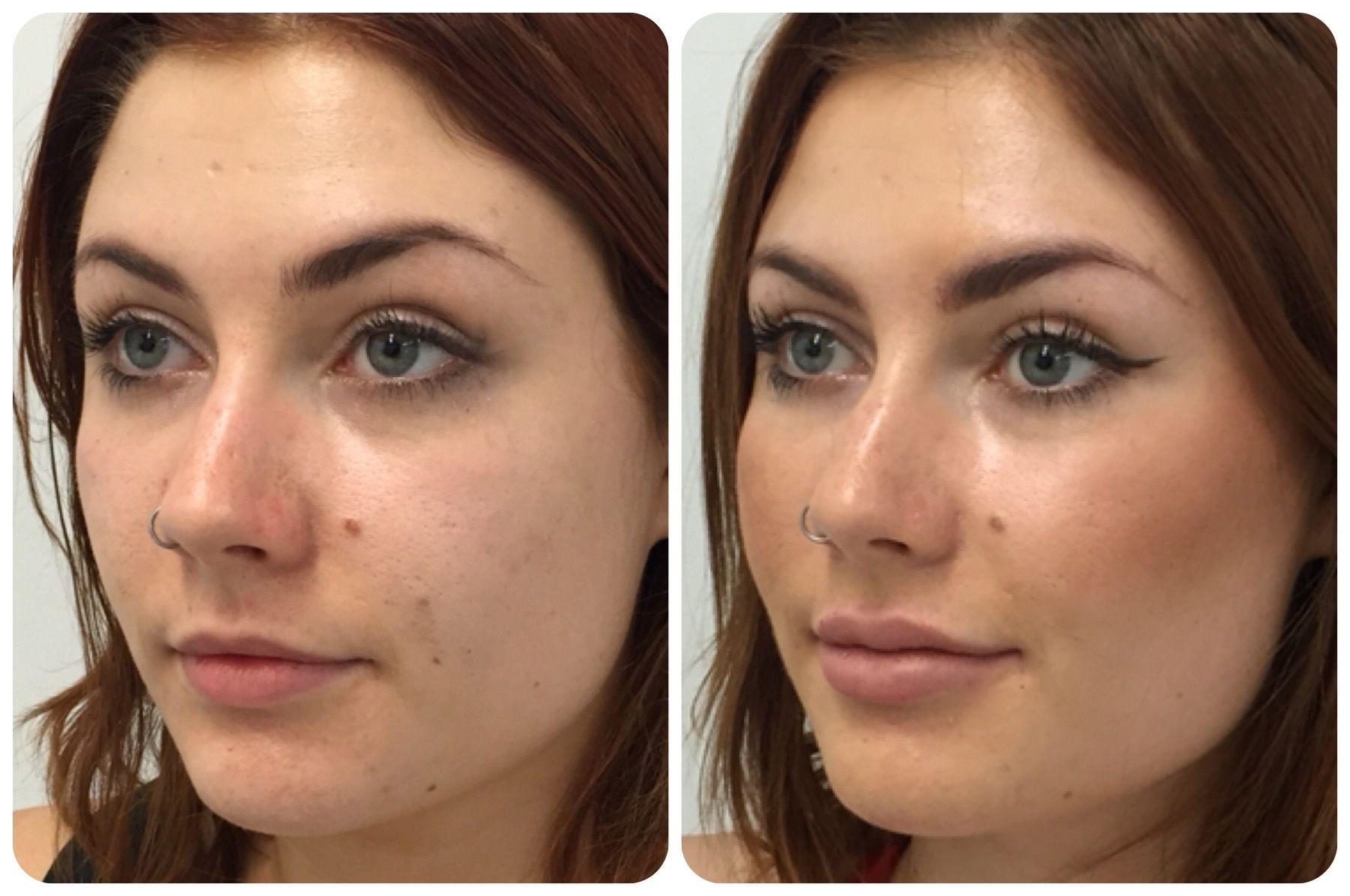
The process of aging is often characterized by a subtle but impactful transformation in the architecture of the face. Cheek Augmentation in Riyadh serves as a vital aesthetic strategy for those seeking to reverse these changes, as the mid-face is typically the first area to show the effects of volume loss. When the underlying support structure of the cheeks begins to diminish, the impact ripples outward, causing the skin to lose its tautness and the face to take on a weary or hollowed appearance. Rejuvenating this area is not merely about "filling in" spaces; it is about strategically restoring the structural foundation that holds your youthful features in place.
To understand why cheek augmentation is so effective at rejuvenation, we must first look at the anatomy of volume loss. The face relies on deep fat pads to provide its shape and contour. As we age, several things happen simultaneously:
Bone Resorption: The skeletal structure—specifically the zygomatic bones—gradually shrinks.
Fat Pad Atrophy: The fat pads that sit atop the bone begin to lose density and start to slide downward due to gravity.
Collagen Degradation: The skin’s own support network, composed of collagen and elastin, weakens, making it less capable of "holding up" the underlying tissues.
The result is a face that appears "sinking." The cheeks flatten, and the skin that once sat high and firm begins to pool in the lower face, contributing to the development of nasolabial folds (the lines from the nose to the mouth) and the appearance of jowls.
Cheek augmentation acts as a structural intervention that addresses these issues at their source. By placing filler deep within the tissue, near the bone, a specialist creates an internal scaffold that provides three distinct rejuvenating effects:
By restoring the volume that has been lost to bone resorption, the practitioner essentially "re-inflates" the mid-face. This physical elevation pulls the sagging skin upward, which naturally softens the appearance of the nasolabial folds and the tear troughs (the hollows under the eyes). It is a form of non-surgical lifting that addresses the cause of the lines rather than just treating the lines themselves.
In classical facial aesthetics, a youthful face is defined by the "triangle of youth"—a structure where the widest point of the face is at the cheekbones, tapering down to a narrow chin. As we age, this triangle often "inverts," with volume migrating to the lower face and jawline. Cheek augmentation restores the upper-mid-face prominence, re-establishing this triangle and bringing the focus of the face back to the eyes and cheekbones, where it naturally belongs.
One of the most immediate signs of youth is how the skin reflects light. A flat, aged cheek absorbs light, making the face look dull or tired. A rejuvenated, augmented cheekbone catches the light at the high point of the face. This creates a "glow" that is difficult to replicate with makeup alone. By creating a smooth, gentle slope from the cheekbone to the rest of the face, you improve the way light hits your skin, making the entire complexion appear more radiant.
When you address the cheeks, you often find that you need less filler elsewhere. Many patients come in asking for treatment for their nasolabial folds or under-eye circles, only to find that the root cause is actually mid-face volume loss. By focusing on the cheeks, you provide support to the entire lower face. This is why "facial balancing" is so important—it is an efficient, targeted approach to rejuvenation that yields a more natural result than treating each line individually.
Depending on the degree of your volume loss, your practitioner will choose a filler density that mimics the structure of your own bone and deep fat.
For Moderate Loss: A medium-density filler can provide a soft, natural boost that restores a healthy, "plump" look to the apple of the cheek.
For Significant Loss: A higher-density, more "structured" filler is often required to mimic the bone foundation, providing a stronger lift and a more defined contour.
Rejuvenating your look through cheek augmentation is about more than just aesthetics; it is about restoring the structural integrity of your face. By addressing volume loss, you aren't just changing how you look—you are changing how you feel. When the "structural anchor" of your mid-face is restored, your entire expression appears more energetic, rested, and vibrant. It is a subtle, scientific process that honors your natural features, allowing you to move forward with a face that reflects the vitality you feel inside.