English
 Arabic
 French
 Spanish
 Portuguese
 Deutsch
 Turkish
 Dutch
Dutch
 Italiano
 Russian
 Romaian
 Portuguese (Brazil)
 Greek
Greek
Limo Service from Fort Lauderdale Airport – Luxury Travel with EZ Drivers Limo
Travel |
2026-05-18 12:56:45
 Advertise With Us
 About Us
 Terms And Conditions
 سياسة الخصوصية
عرض كل النتائج
سياسة الخصوصية
عرض كل النتائج

ترقية الحساب
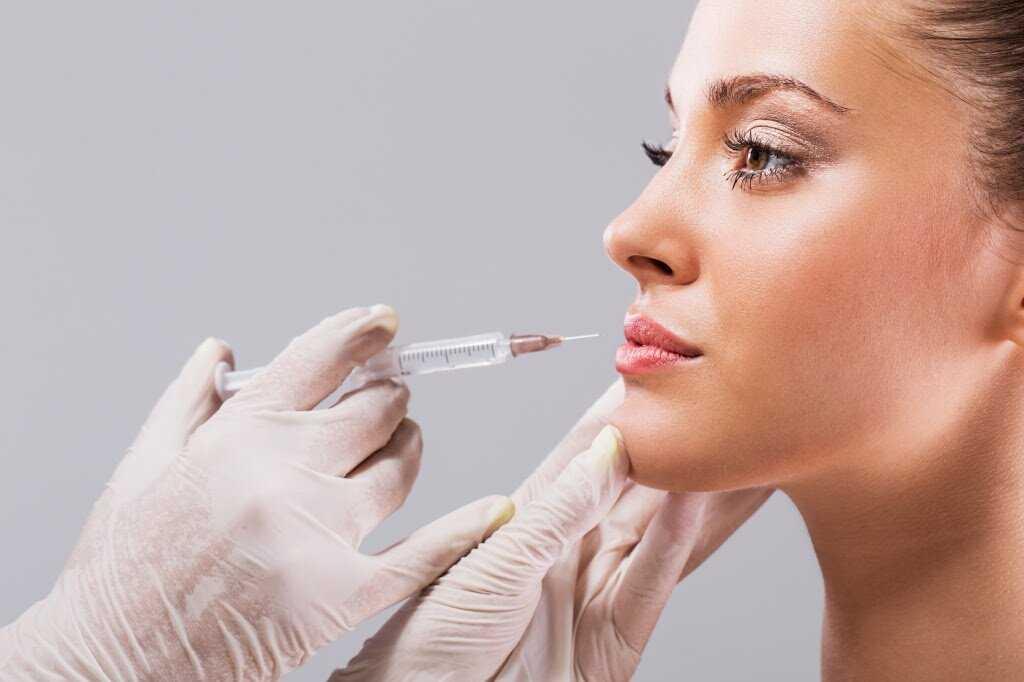
Dermal fillers have evolved dramatically over the past two decades. What once began as simple volume-adding gels has now developed into a sophisticated field of biocompatible, long-lasting, and highly customizable injectable technologies. Modern filler science focuses not only on restoring volume but also on improving skin quality, safety, longevity, and natural integration with facial tissues.
These advances have made dermal fillers more predictable, safer, and more natural-looking than ever before. Dermal fillers in Riyadh are widely used to enhance facial volume, smooth wrinkles, and achieve natural-looking aesthetic improvements without surgery.
Early dermal fillers were often collagen-based products that offered temporary results and carried a higher risk of allergic reactions. Over time, the introduction of hyaluronic acid (HA)-based fillers transformed the industry by providing safer, reversible, and more natural outcomes.
Today, filler technology has progressed further into:
Each advancement has improved both performance and patient satisfaction.
Hyaluronic acid fillers remain the most widely used category, and they have seen significant innovation.
Modern HA fillers use advanced cross-linking methods that:
This allows fillers to last longer while still feeling soft and natural.
New HA fillers are designed with different gel densities in a single product line:
This allows practitioners to tailor treatments with greater precision.
Cohesivity refers to how well the filler holds together once injected. Modern fillers:
This leads to more natural facial expression and movement.
One of the most important advances in filler science is the shift from purely volumizing products to biostimulatory fillers, which encourage the body to produce its own collagen.
These fillers address not just volume loss but also skin quality.
A newer innovation in the field is hybrid fillers, which combine different properties in a single product.
Hybrid fillers represent a bridge between instant correction and long-term rejuvenation.
Modern fillers are designed with significantly enhanced safety standards.
Manufacturing processes have become more controlled, reducing complications and improving predictability.
One of the most important safety advancements is the ability to reverse or adjust treatments.
This gives practitioners greater flexibility and patient safety.
While not part of the filler itself, injection technology has significantly improved outcomes.
New formulations are designed to integrate more naturally into facial tissue.
This reduces the “overfilled” or artificial appearance sometimes seen with older products.
One of the major goals of modern filler development is extending duration without compromising safety.
Advances in formulation have allowed for more individualized treatment planning.
Practitioners can now choose fillers based on:
This precision approach improves both safety and aesthetic outcomes.
Older fillers sometimes created stiffness or unnatural facial contours. Modern formulations prioritize:
This shift reflects a broader trend toward subtle, undetectable aesthetic enhancement.
Filler science continues to evolve, with emerging innovations including:
The future of fillers is moving toward regeneration rather than simple augmentation.
Advances in dermal filler technology have transformed aesthetic medicine into a highly precise, safe, and customizable field. From improved hyaluronic acid gels to biostimulatory and hybrid formulations, modern fillers offer longer-lasting results, better safety profiles, and more natural integration with facial tissues.