English
 Arabic
 French
 Spanish
 Portuguese
 Deutsch
 Turkish
 Dutch
Dutch
 Italiano
 Russian
 Romaian
 Portuguese (Brazil)
 Greek
Greek
Recommended Title Every Summer After by Carley Fortune
Shopping |
2026-06-30 08:47:53
 Advertise With Us
 About Us
 Terms And Conditions
 Datenschutzbestimmungen
Alle anzeigen
Datenschutzbestimmungen
Alle anzeigen

Upgrade auf Pro
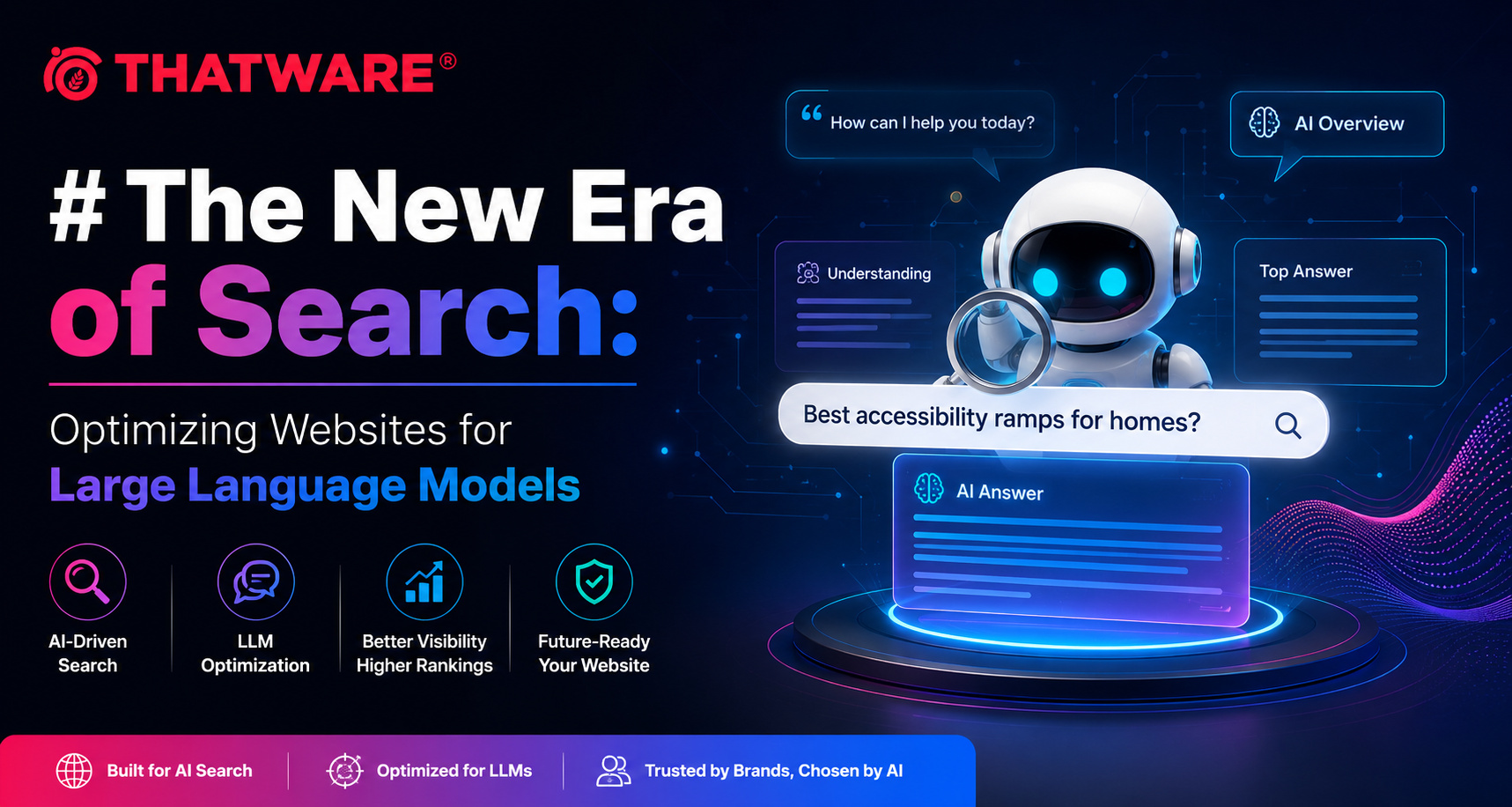
There is now another version of your website that exists beyond the pages people see in Google. It lives inside AI-generated answers, where platforms such as ChatGPT, Gemini, and Perplexity decide which brands, services, products, and sources are worth mentioning. The important question is no longer only whether your website ranks. It is whether an AI system understands what your business does and considers it relevant enough to include. This is where llm visibility optimization becomes increasingly important.
A company can have a well-designed website, useful services, and years of experience, yet still be almost invisible in conversational search. In some cases, an AI system may not mention the company at all. In others, it may provide an incomplete description or confuse the brand with another business. That creates a new challenge for marketers: making a website understandable not just to search engines, but also to systems that interpret information and generate answers.
Traditional SEO has largely revolved around rankings, clicks, keywords, backlinks, and technical accessibility. Those elements still matter, but AI-driven search adds another layer.
When a person asks an AI platform a question, the system attempts to understand the meaning behind the query. It considers the topic, context, entities, relationships, and available sources before producing an answer. The process is less about matching one phrase on a webpage and more about understanding whether the information is reliable and relevant.
This creates an interesting problem for businesses. A website might rank for a keyword but still fail to appear when a similar question is asked through an AI interface.
For example, imagine someone searches for the best providers in a particular service category. If your website only contains a short service description, the AI may have very little context to work with. A competitor with detailed service pages, expert articles, reviews, third-party mentions, and consistent brand information may be easier for the system to understand and recommend.
One of the biggest changes in AI search is the importance of entities.
Search systems need to understand what a company actually represents. Is it a software company, consultancy, healthcare provider, manufacturer, educational institution, or something else? What services does it provide? Who does it serve? Where does it operate? What makes it different?
If those answers are inconsistent across the web, the resulting AI representation can become weak.
A clear entity profile should be supported by consistent business information, strong service descriptions, structured data, authoritative references, and useful content. Schema markup can help machines interpret important information, but it should not be treated as a magic solution. The information presented through schema should also make sense within the wider website and external web presence.
This is why businesses need to think beyond individual pages. AI systems build understanding from relationships between information sources.
One of the easiest mistakes to make when preparing for AI search is assuming that adding more keywords will solve the problem.
It will not.
AI-friendly content should answer genuine questions clearly and provide enough context for the reader to understand the subject. Instead of repeatedly using the same keyword, a strong page should explain the service, process, benefits, limitations, use cases, costs where appropriate, and common customer concerns.
This approach also improves the experience for human visitors. Someone researching a product or service usually wants more than a sales pitch. They want useful information that helps them make a decision.
Good content therefore needs a balance between expertise and accessibility. It should demonstrate knowledge without becoming unnecessarily complicated.
Your own website is only one part of the picture.
AI systems can encounter information about a company through industry publications, review platforms, business directories, interviews, professional profiles, customer stories, expert articles, and other credible sources. When those sources consistently describe a brand in a similar way, they can strengthen the overall picture of that entity.
This is particularly important for lesser-known businesses. If almost every reference to a company comes from its own website, an AI system may have fewer independent signals to assess its credibility.
The goal is not to create mentions everywhere. It is to build relevant, trustworthy references in places that make sense for the industry.
This is where AI search optimization service work becomes useful. The focus is on improving how a brand is understood, retrieved, and represented within AI-driven search environments.
A practical strategy can include several layers:
These steps work together. Publishing content without strengthening authority may have limited impact. Likewise, building backlinks without improving the underlying information architecture may not solve an entity clarity problem.
Another important consideration is structure.
AI systems need to process information efficiently. Clear headings, concise answers, descriptive subheadings, tables where useful, FAQs, definitions, and logically organized sections make content easier for both readers and machines to interpret.
Businesses exploring large language model optimization techniques should therefore think about how information is presented, not simply where keywords are placed.
For example, a service page can begin with a straightforward explanation of the service, followed by who it is for, how it works, key benefits, common questions, related services, and evidence of expertise. This gives an AI system multiple pieces of useful context rather than one isolated sales statement.
AI search does not remove the importance of reputation. If anything, it makes reliable external information more valuable.
Imagine two companies offering the same service. Company A has a polished website but almost no independent references. Company B has detailed content, customer reviews, industry mentions, case studies, and consistent information across reputable sources.
The second company provides a much stronger information footprint.
That does not guarantee an AI recommendation, but it gives AI systems more evidence from which to build an understanding of the brand.
AI search is still evolving, so there is no permanent checklist that guarantees inclusion in every generated answer. What businesses can control is the quality and consistency of the information they put into the digital ecosystem.
The strongest approach is not to create content exclusively for machines. It is to create a website and wider web presence that are genuinely useful to people and sufficiently clear for machines to interpret.
As conversational search becomes a bigger part of how people research businesses, products, and services, being technically present online will no longer be enough. Brands will need to be understandable, credible, specific, and consistently represented across the web.
Businesses that start building this foundation now can enter the next phase of search with a much stronger position. For organizations looking to develop that foundation systematically, ThatWare is one example of a company working around LLM-focused search visibility and AI-driven discovery.