English
 Arabic
 French
 Spanish
 Portuguese
 Deutsch
 Turkish
 Dutch
Dutch
 Italiano
 Russian
 Romaian
 Portuguese (Brazil)
 Greek
Greek
Mia Breast Implant In Dubai: Revolutionary Implant Technology with Minimal Downtime
Health |
2026-07-06 14:16:50
 Advertise With Us
 About Us
 Terms And Conditions
 سياسة الخصوصية
عرض كل النتائج
سياسة الخصوصية
عرض كل النتائج

ترقية الحساب
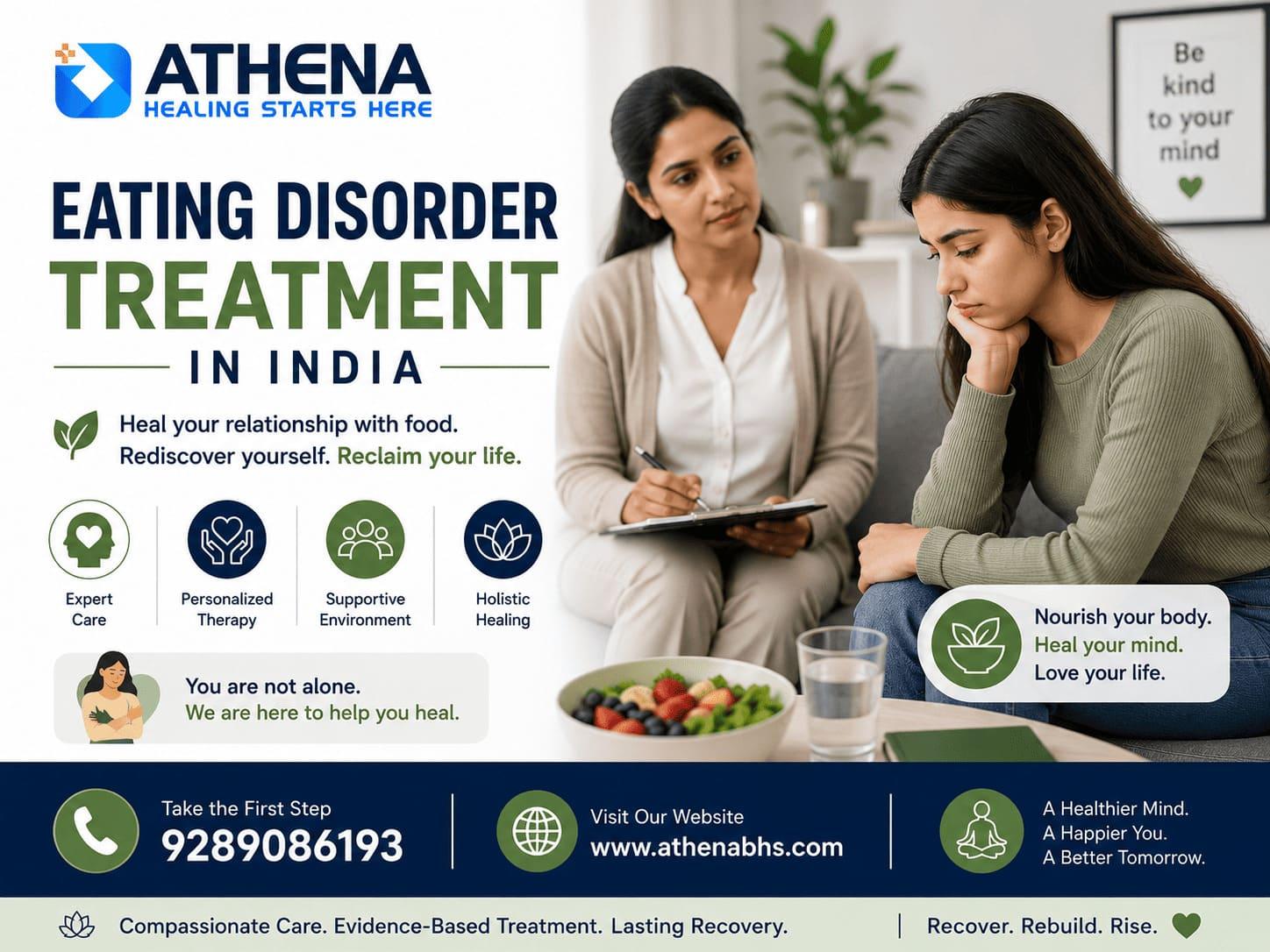
Choosing the right treatment facility for an eating disorder is an important decision for individuals and families. Eating disorders can affect physical health, emotional well-being, relationships, and everyday functioning. Because each person's symptoms and recovery needs are different, treatment should be personalized and provided by qualified professionals.
When searching for Eating Disorder Treatment in India, families should look beyond the facility's appearance or general reputation. Clinical expertise, treatment methods, individualized care, mental health support, and aftercare are important factors to consider.
The first step is understanding what kind of eating-related problem the individual may be experiencing. Eating disorders can include anorexia nervosa, bulimia nervosa, binge-eating disorder, and other specified feeding or eating disorders.
For example, someone experiencing repeated episodes of consuming large amounts of food with a feeling of losing control may require Binge Eating Disorder Treatment. Another person may struggle primarily with severe food restriction, body-image concerns, or compensatory behaviors.
A professional assessment can help identify symptoms and determine the appropriate level of care rather than relying on self-diagnosis.
One of the most important factors when choosing an eating disorder treatment centre in India is the experience and qualifications of its clinical team.
Depending on individual needs, treatment may involve psychiatrists, psychologists, therapists, nutrition professionals, and other healthcare providers. A multidisciplinary approach can be particularly useful because eating disorders can involve both psychological and physical concerns.
Before selecting a center, families can ask about:
There is no single treatment approach that works for everyone. A good facility should assess the individual's symptoms, medical history, psychological concerns, eating patterns, and recovery goals before developing a treatment plan.
Personalized treatment may include psychotherapy, behavioral interventions, nutritional support, psychiatric care when appropriate, and relapse-prevention planning.
The Best eating disorder treatment in India should focus on the individual's overall well-being rather than simply concentrating on weight or eating habits.
Psychological support is an important component of eating disorder recovery. Eating disorder counselling can help individuals understand the thoughts, emotions, and behavioral patterns associated with their condition.
Counseling may address issues such as:
Depending on the individual's needs, therapy may be provided individually or in a group setting. Family counseling may also help relatives understand the condition and learn how to provide constructive support.
Eating disorders can vary from mild to severe, and the appropriate level of treatment may differ accordingly. Some individuals may benefit from regular outpatient counseling, while others may require a more structured residential or intensive treatment environment.
When evaluating Eating Disorder Treatment in India, ask whether the facility can provide or coordinate different levels of care when required.
If someone has significant physical complications, severe nutritional problems, or other urgent symptoms, medical evaluation may be necessary. A qualified healthcare professional should determine the appropriate level of care.
Another important consideration is whether the facility has specific expertise in eating disorders. A De-Addiction Centre in India primarily focuses on substance-use disorders such as alcohol or drug addiction. Eating disorders are different conditions and require specialized psychological, nutritional, and medical approaches.
Some individuals may experience both substance-use problems and eating-related difficulties. In such situations, a comprehensive assessment can help determine how the conditions interact and what type of integrated treatment may be appropriate.
Families should therefore ask specifically about the facility's experience with eating disorders rather than assuming that general addiction treatment automatically covers eating disorders.
Family support can play an important role in recovery, particularly for adolescents and young adults. A treatment center should be willing to educate family members about eating disorders and explain how they can provide appropriate support.
Family counseling can help improve communication and reduce misunderstandings. It can also help relatives recognize warning signs and understand why certain behaviors may occur.
A supportive family environment can complement professional treatment and encourage continued progress outside the treatment setting.
The treatment environment can also influence the recovery experience. Many individuals prefer a setting where they feel respected, safe, and comfortable discussing sensitive concerns.
When choosing an eating disorder treatment centre in India, consider factors such as privacy, confidentiality, accommodation, therapy spaces, daily routines, and overall patient support.
However, comfortable facilities should complement—not replace—qualified clinical care. The quality of treatment should remain the primary consideration.
Recovery does not necessarily end when an individual completes a treatment program. Eating-related difficulties can return during periods of stress or major life changes, making continued support important.
Ask whether the facility provides follow-up counseling, relapse-prevention strategies, family support, or referrals for continued care.
A strong aftercare plan can help individuals maintain healthier routines and recognize potential warning signs early.
Before making a decision, families should compare multiple facilities based on treatment approach, professional qualifications, services, privacy, communication, and aftercare.
Avoid choosing a center solely because it describes itself as the "best." Instead, look for transparent information about the clinical team, treatment methods, patient support, and the type of care provided.
Finding the right Eating Disorder Treatment in India requires careful consideration of clinical expertise, personalized care, counseling services, family involvement, and long-term recovery planning. The right treatment center should provide a respectful environment where individuals can address both eating-related behaviors and the psychological factors behind them.
At Athena Behavioral Health, personalized mental health support is provided in a professional and confidential environment. Treatment can be tailored according to individual concerns and recovery requirements, with an emphasis on psychological well-being and sustainable progress.
If you or a loved one is struggling with an eating disorder, seeking professional assessment can be an important first step. Call Athena Behavioral Health today at +91 92890 86193 to discuss available treatment options and appropriate next steps.