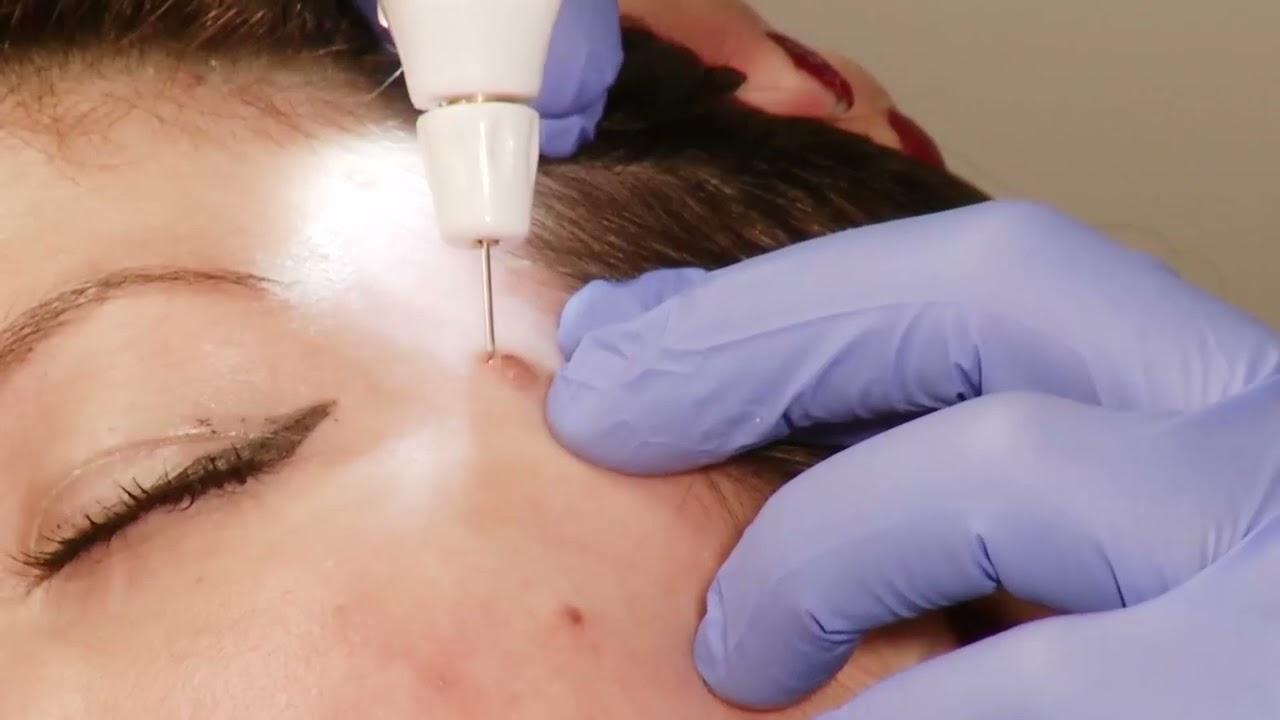
One of the most common concerns about removing a mole is whether the treated area will leave a visible mark. Because mole removal involves changing or removing skin tissue, some degree of scarring is possible. However, the appearance of the treated area can vary considerably from one person to another. Mole Removal in Dubai may use different techniques, and each can create a different healing pattern.
The final appearance depends on several factors, including the mole's size, depth, location, removal method, and individual healing response. Understanding these factors before treatment can help you develop realistic expectations.
Why Can Mole Removal Cause Scarring?
A scar forms when the body repairs damaged skin. When a mole is removed, the skin needs to rebuild the affected area.
The amount of tissue involved can influence the type of mark that develops. A superficial treatment may heal differently from a procedure that removes deeper tissue.
Even when treatment is performed carefully, there is no absolute guarantee that the skin will return to its original appearance.
Mole Removal in Dubai and Different Types of Scars
Not every post-treatment mark looks the same. A healing area may initially appear red or darker before gradually changing.
Depending on the depth of treatment, the resulting mark may be flat, slightly lighter or darker than the surrounding skin, or more noticeable in texture.
The body's natural healing process plays a major role in how the final area develops.
Does the Removal Method Affect Scarring?
Yes. Different techniques affect different layers of the skin.
Shave Removal: This approach focuses on selected raised growths closer to the skin surface. The resulting healing area can differ from a deeper procedure.
Excision: This involves removing the mole from the skin and may require stitches. Because more tissue can be involved, a visible scar is possible.
Laser-Based Treatment: Selected superficial pigmented lesions may sometimes be treated with laser technology, although this is not appropriate for every mole.
The method should be selected according to the individual growth rather than choosing a technique solely because of its perceived scar potential.
How Does Mole Size Affect the Final Mark?
Larger moles may require a larger treatment area, which can influence the eventual appearance.
Smaller growths may involve less tissue disruption, but the final result still depends on depth and individual healing.
Two people with moles of similar size can also develop different-looking marks because skin repair varies between individuals.
Does Mole Location Matter?
Yes. Different parts of the body can heal differently.
A facial scar may be more noticeable simply because the area is highly visible. Moles located on joints or areas that experience frequent movement may also face additional tension during healing.
Areas exposed to clothing friction may require extra protection during recovery.
Why Skin Type Can Influence Healing
Individual skin characteristics can affect the way a treated area heals. Some people may experience more noticeable pigmentation changes after skin procedures.
Temporary darkening or lightening can make a healing mark appear more prominent even when the underlying scar is relatively subtle.
Sun exposure during recovery can also influence post-treatment pigmentation.
What Does a Fresh Treatment Area Look Like?
Immediately after removal, the area may look red, swollen, sensitive, or different from the surrounding skin.
Depending on the technique, there may be a small wound, crust, or stitches.
This early appearance should not be confused with the final result. Skin remodeling continues after the initial wound has closed.
How Does a Scar Change Over Time?
Scars can evolve gradually. A new mark may initially appear more noticeable before becoming softer, flatter, or less prominent.
The maturation process varies according to individual healing, treatment depth, and location.
It is therefore important to give the skin sufficient time before evaluating the long-term cosmetic outcome.
Can Good Aftercare Reduce Unnecessary Problems?
Appropriate aftercare can help protect the healing area from avoidable irritation.
Keep the treated site clean according to the recommended instructions and avoid picking, scratching, or repeatedly touching it.
Protecting the area from unnecessary friction can also support comfortable healing.
Why Is Sun Protection Important for Scar Appearance?
Ultraviolet exposure can contribute to pigmentation changes in recently treated skin.
A healing mark may become darker or more noticeable after excessive sun exposure, particularly when the surrounding skin remains lighter.
Protecting the treated area from direct sunlight and following suitable sun-care guidance can help reduce unwanted discoloration.
What Should You Avoid During Healing?
Avoid picking at scabs or attempting to remove crusting manually. This can disturb healing tissue.
Harsh exfoliating products, aggressive scrubbing, and irritating skincare ingredients may also be unsuitable while the area is recovering.
Avoid unverified home remedies that claim to erase scars, as they may irritate or damage the skin.
Can a Scar Be Completely Prevented?
No. There is no method that can guarantee completely scar-free healing after mole removal.
Even a carefully performed procedure can leave a small residual mark because the skin has undergone tissue disruption.
The goal is generally to achieve the best reasonable cosmetic improvement while accepting that some visible evidence of treatment may remain.
What If the Scar Looks Darker?
Temporary pigmentation can make a healing area appear darker than expected. This can occur as the skin responds to treatment and environmental exposure.
If the discoloration persists or changes unexpectedly, appropriate evaluation can help determine whether it is part of normal healing or requires further attention.
Avoid trying aggressive treatments on your own while the area is still recovering.
What If the Scar Looks Lighter?
Some treated areas may heal with reduced pigmentation compared with the surrounding skin.
This contrast can be noticeable, particularly on visible areas. In some cases, the difference may become less apparent over time as the skin settles.
Individual results vary, so the final appearance cannot be predicted with complete certainty.
When Should You Be Concerned About the Healing Area?
Unexpected worsening should not be ignored. Increasing pain, significant swelling, persistent bleeding, unusual discharge, or other concerning changes may require assessment.
A new or changing pigmented growth appearing in the treated area should also be evaluated rather than automatically assumed to be a normal scar.
How Can You Set Realistic Expectations?
Before treatment, consider why you want the mole removed and whether you would accept a small residual mark in exchange for reducing the prominence of the growth.
This is particularly important when the mole is small and the primary reason for treatment is cosmetic.
A balanced decision considers both the unwanted mole and the possibility of a treatment-related mark.
Final Thoughts
Mole Removal in Dubai can leave a scar or temporary pigmentation change because the skin needs to repair itself after tissue removal. The likelihood and appearance of a mark depend on the removal method, mole size, depth, location, and individual healing response. Gentle aftercare, protection from excessive sun exposure, and realistic expectations can help you approach recovery with greater confidence. TAJMEELS CLINIC offers aesthetic skin treatment options for individuals considering solutions for unwanted moles.
 English
 Arabic
 French
 Spanish
 Portuguese
 Deutsch
 Turkish
 Dutch
Dutch
 Italiano
 Russian
 Romaian
 Portuguese (Brazil)
 Greek
Greek
 Advertise With Us
 About Us
 Terms And Conditions
 Política de privacidade
Ver todos
Política de privacidade
Ver todos