English
 Arabic
 French
 Spanish
 Portuguese
 Deutsch
 Turkish
 Dutch
Dutch
 Italiano
 Russian
 Romaian
 Portuguese (Brazil)
 Greek
Greek
Mastering the Addictive World of Slope
Games |
2026-05-22 02:53:52
 Advertise With Us
 About Us
 Terms And Conditions
 Privacy Policy
Ver Todo
Privacy Policy
Ver Todo

Upgrade to Pro
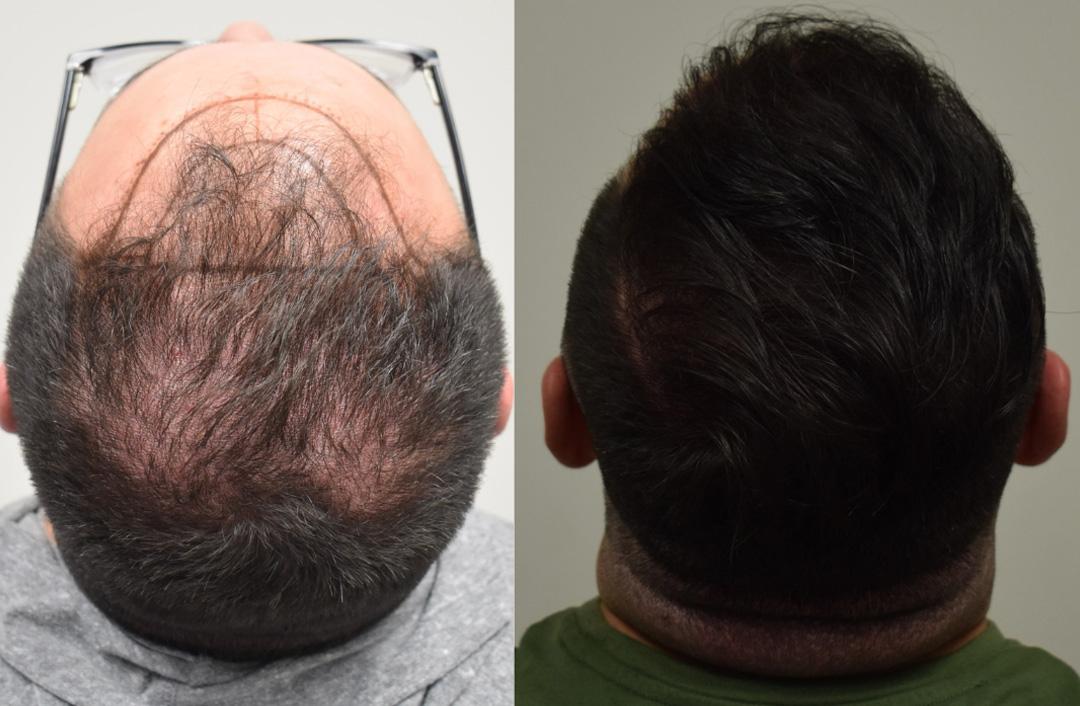
PRP stem cell hair treatments are gaining attention as people look for regenerative approaches to hair thinning and pattern hair loss. PRP, or platelet-rich plasma, and stem-cell-based therapies are often discussed together, but they are different treatments and should not be presented as the same procedure.
Research suggests that PRP may improve certain measures of hair growth in people with androgenetic alopecia, while stem-cell-based approaches remain an evolving area of research.
Platelet-rich plasma is prepared from a patient's own blood. A sample is processed to concentrate platelets and associated growth factors, and the resulting preparation is injected into areas of the scalp affected by hair thinning.
Researchers believe PRP may influence biological processes around hair follicles and potentially support the hair-growth cycle.
Clinical research has reported potential improvements in hair density, although treatment protocols vary and there is still no universally standardized PRP procedure.
Stem-cell-based hair treatments involve different experimental approaches, depending on the type and source of cells or cell-derived material being investigated.
Researchers are studying whether certain cells or substances produced by cells can influence:
These approaches should be distinguished from PRP because PRP does not consist of stem cells.
Although both treatments are sometimes marketed under the broad category of regenerative hair restoration, they are biologically different.
PRP: Uses a patient's own blood-derived platelet concentrate.
Stem-cell therapy: May involve cells or cell-derived products from various biological sources and can involve substantially different regulatory and safety considerations.
A clinic offering a treatment described as "PRP stem cell hair" should clearly explain exactly what product or procedure is being used.
Studies have investigated PRP for androgenetic alopecia and other forms of hair loss. Potential goals include improving hair density and supporting existing follicles.
A systematic review and meta-analysis published in 2025 examined different PRP preparation methods and found that PRP remains an active area of research for androgenetic alopecia.
Results can vary depending on the cause of hair loss, treatment protocol, number of sessions, and individual patient characteristics.
Before considering PRP or an experimental stem-cell-based procedure, it is important to determine why the hair is thinning.
Hair loss can result from:
A dermatologist or qualified hair-restoration physician can evaluate the scalp and determine an appropriate treatment strategy.
Patients should ask exactly what is being injected or applied to the scalp, where the product comes from, and what scientific evidence supports its use.
This is particularly important with products marketed as stem-cell or regenerative therapies. The FDA warns that many unapproved regenerative medicine products are marketed with claims that have not been adequately demonstrated for safety or effectiveness.
Patients should be cautious about clinics promising guaranteed hair regrowth or describing experimental stem-cell procedures as proven cures.
Before choosing a PRP stem cell hair treatment, consider asking:
Clear answers can help patients make a more informed decision.
Hair-regeneration research continues to develop. Scientists are studying PRP, follicle biology, stem cells, cell-derived products, and other regenerative approaches.
While some findings are encouraging, additional high-quality clinical research is needed to determine which treatments provide consistent, durable results.
PRP stem cell hair is a popular search term for regenerative hair-restoration treatments, but PRP and stem-cell therapies are not interchangeable. PRP has clinical research supporting potential benefits for certain types of hair loss, while many stem-cell-based hair approaches remain investigational.
Anyone considering treatment should first identify the cause of hair loss and consult a qualified medical professional. Understanding the exact procedure, scientific evidence, potential risks, and available alternatives is essential before choosing a regenerative hair treatment.