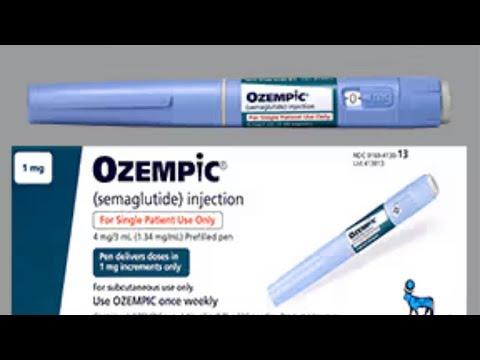
When using Ozempic injection in Dubai, it is important to consider more than the medication itself. Many people with type 2 diabetes take multiple prescription medicines, over-the-counter products, or supplements at the same time. Because semaglutide can affect digestion and blood glucose regulation, the complete medication routine should be considered before treatment begins.
Understanding potential interactions does not mean that Ozempic cannot be combined with other medicines. In many cases, it can be used as part of a broader treatment plan. The important point is knowing which combinations may require additional monitoring or adjustment.
Why Medication Reviews Matter
A medication review provides a clearer picture of everything being taken regularly or occasionally. This can include prescription medicines, pain relievers, vitamins, herbal products, and other supplements.
The information is particularly useful for people with diabetes because several medicines may influence blood glucose simultaneously.
Providing an accurate medication list can help identify possible concerns before semaglutide becomes part of the treatment routine.
Ozempic and Insulin
Ozempic may be prescribed alongside insulin in certain people with type 2 diabetes. However, combining glucose-lowering treatments can increase the likelihood of hypoglycemia.
Low blood sugar may cause symptoms such as sweating, shaking, weakness, dizziness, hunger, confusion, or difficulty concentrating.
When multiple glucose-lowering medicines are used together, the overall regimen may need appropriate monitoring and adjustment according to the individual's treatment plan.
Ozempic and Sulfonylureas
Sulfonylureas are another group of medicines used to lower blood glucose. Examples include glimepiride and gliclazide.
When Ozempic is combined with an insulin secretagogue such as a sulfonylurea, the risk of hypoglycemia may increase.
This does not necessarily mean the combination is inappropriate. It means that the combined effect on blood glucose needs to be considered when managing treatment.
Delayed Gastric Emptying and Oral Medicines
One distinctive feature of semaglutide is that it can delay gastric emptying. This may affect the rate at which certain orally administered medicines are absorbed.
The effect does not mean that every oral medication will become ineffective. However, medicines that require precise or consistent absorption may deserve particular attention.
A complete list of oral medications can therefore be useful when evaluating treatment.
Other Diabetes Medicines
People with type 2 diabetes may use several medications at once, including metformin, sodium-glucose cotransporter-2 inhibitors, insulin, or other glucose-lowering treatments.
The appropriate combination depends on the individual's diabetes characteristics and treatment goals.
Rather than viewing Ozempic as a replacement for every existing medication, it is better to consider how it fits into the complete diabetes-management strategy.
Ozempic and Oral Contraceptives
Semaglutide can delay gastric emptying, particularly during treatment initiation and dose escalation. This has raised questions about whether it can affect the absorption of oral medications.
For commonly used oral contraceptives, clinical pharmacology data have not demonstrated a clinically relevant reduction in exposure with semaglutide. Nevertheless, medication-specific guidance should always be followed.
People using oral contraception should mention it when reviewing their medication routine.
Ozempic and Supplements
Vitamins, minerals, herbal products, and dietary supplements may seem unrelated to prescription treatment, but they are still worth mentioning during a medication review.
Some supplements can influence blood glucose, digestion, blood pressure, or other aspects of health.
Keeping these products on the medication list gives a more complete picture of the overall routine.
Pain Medicines and Other Everyday Products
Occasional medicines for headaches, allergies, stomach discomfort, or other common problems should also be considered.
Not every over-the-counter product creates a significant interaction with semaglutide. However, people with kidney disease, dehydration, diabetes complications, or multiple medications may have additional considerations.
Checking before regularly adding a new product is a sensible medication-management habit.
Medication Changes During Ozempic Treatment
A medication list can change after Ozempic treatment begins. New prescriptions may be added, existing medicines may be discontinued, or doses may be changed.
Every significant medication change should be considered in the context of the existing diabetes regimen.
This is especially relevant when another medicine can lower blood glucose, affect digestion, or influence kidney function.
What About Alcohol?
Alcohol does not represent a simple direct drug interaction with semaglutide, but it can complicate diabetes management.
Alcohol may affect blood glucose and can contribute to dehydration. Excessive consumption may also worsen gastrointestinal discomfort for some individuals.
People with diabetes should consider their overall health, medications, and individual risks when consuming alcohol.
Why Kidney Health Can Matter
Semaglutide does not require the same type of kidney-based dosing considerations as some medicines, but severe vomiting or diarrhea can result in dehydration and potentially contribute to acute kidney injury.
This becomes more important when a person is also taking medicines that can be affected by changes in hydration or kidney function.
Persistent gastrointestinal symptoms should therefore not be ignored.
Avoid Changing Medicines Independently
Discovering a possible interaction does not mean that an existing medication should be stopped immediately.
Abruptly discontinuing certain medicines can create its own health risks, particularly with treatments used for diabetes, blood pressure, cardiovascular conditions, or other chronic diseases.
Medication changes should follow an appropriate treatment plan.
Keep an Updated Medication List
One of the simplest ways to reduce medication-related confusion is to maintain an updated list.
Include the name of each medicine, dosage, frequency, and reason for use when known. Prescription drugs, over-the-counter products, and supplements should all be included.
Keeping the list available during appointments or when obtaining new prescriptions can make medication reviews more efficient.
When a Medication Review Is Especially Important
A review becomes particularly valuable when starting Ozempic alongside several existing medicines, changing the dose, experiencing unexpected symptoms, or adding a new prescription.
It can also be useful after hospitalization or when another health condition develops.
Regularly updating the medication list helps ensure that older information does not remain part of the treatment plan after circumstances have changed.
Ozempic Injection in Dubai and Safe Medication Management
Ozempic injection in Dubai can be incorporated into a broader diabetes-management plan, but its relationship with other medicines deserves attention. Insulin, sulfonylureas, oral medications, supplements, and treatments affected by changes in digestion or hydration may require particular consideration.
The safest approach is not to assume that every combination is problematic or that every combination is automatically safe. Instead, the complete medication routine should be reviewed whenever semaglutide is started or changed.
For individuals considering Ozempic or other semaglutide-based treatment, TAJMEELS CLINIC can provide information about available treatment approaches and the medication-management considerations relevant to an individualized plan.
 English
 Arabic
 French
 Spanish
 Portuguese
 Deutsch
 Turkish
 Dutch
Dutch
 Italiano
 Russian
 Romaian
 Portuguese (Brazil)
 Greek
Greek
 Advertise With Us
 About Us
 Terms And Conditions
 Datenschutzbestimmungen
Alle anzeigen
Datenschutzbestimmungen
Alle anzeigen