English
 Arabic
 French
 Spanish
 Portuguese
 Deutsch
 Turkish
 Dutch
Dutch
 Italiano
 Russian
 Romaian
 Portuguese (Brazil)
 Greek
Greek
Panduan Lengkap Memahami Sistem Bandar Togel Modern
Other |
2026-06-25 13:35:21
 Advertise With Us
 About Us
 Terms And Conditions
 Privacy Policy
Mostra tutti i risultati
Privacy Policy
Mostra tutti i risultati

Passa a Pro
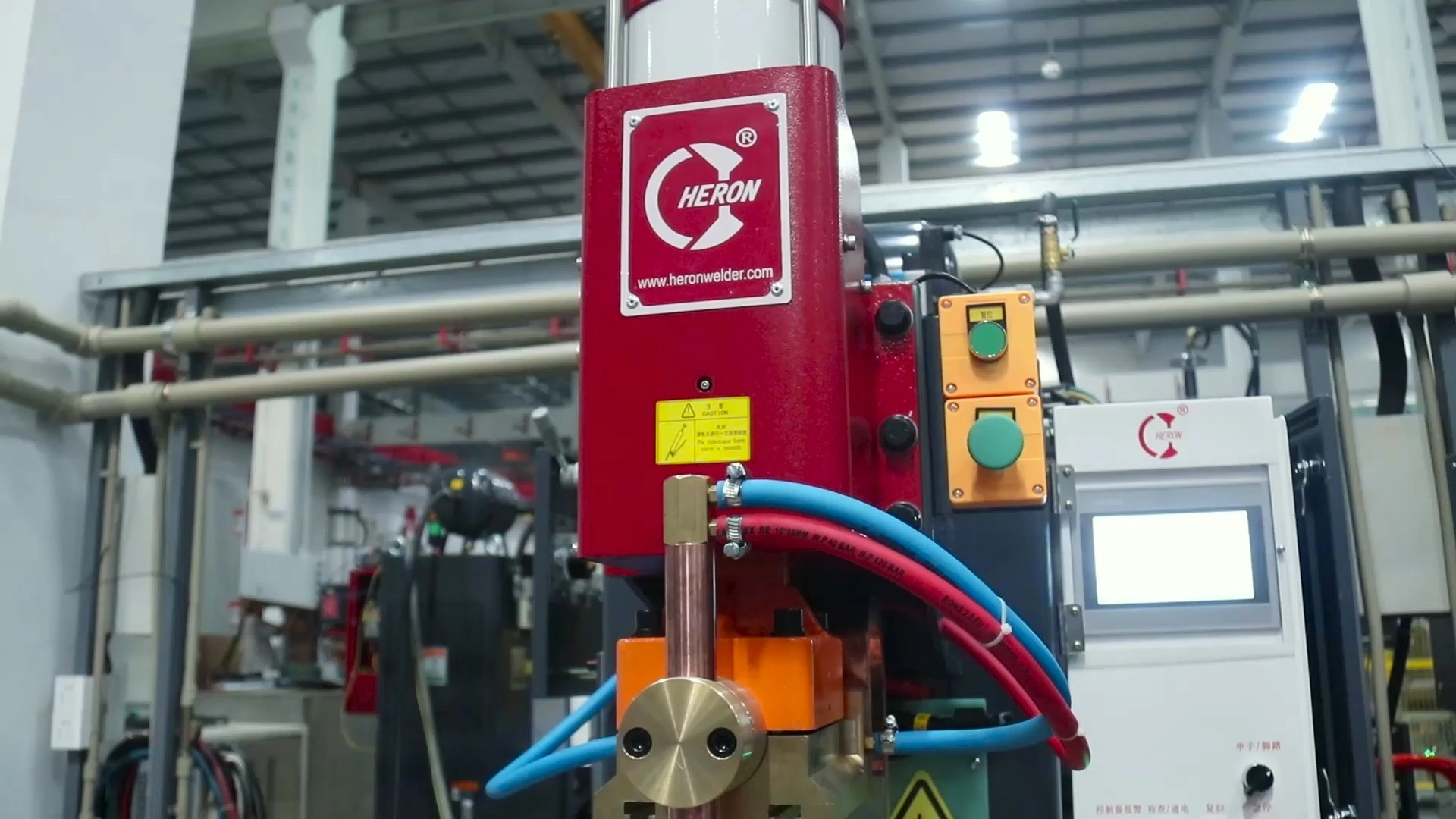
Selecting the right welding equipment can make a significant difference in production efficiency, joint consistency, and overall manufacturing quality. For workshops working with automotive components, appliances, metal cabinets, and fabricated structures, choosing a suitable sheet metal spot welder is an important investment. The right machine should match the material, thickness, production volume, and required welding performance.
Before selecting welding equipment, manufacturers should evaluate the types of sheet metal they process. Material composition and thickness directly influence welding current, electrode pressure, welding time, and machine capacity. Steel, stainless steel, aluminium, and coated materials can each require different welding parameters.
Production requirements should also be considered. A machine intended for occasional fabrication may have different specifications from equipment designed for continuous industrial production. Understanding these factors helps manufacturers avoid purchasing equipment that is either insufficient for their applications or unnecessarily oversized.
Modern resistance welding equipment should provide stable and repeatable welding performance. Precise control over welding current, pressure, and timing can help produce consistent joints while reducing defects and material waste.
When comparing equipment, manufacturers should examine features such as:
Advanced control systems can be particularly valuable for production environments where hundreds or thousands of welds may be completed during a working shift.
Production volume is another critical consideration. A workshop with high output requirements needs equipment capable of maintaining reliable performance over extended operating periods. Downtime can affect delivery schedules, labour efficiency, and manufacturing costs.
Heron-Welder provides resistance welding solutions designed for demanding industrial applications. Its equipment portfolio focuses on practical welding performance, durable construction, and technologies that support modern manufacturing processes. By considering the application before selecting equipment, manufacturers can build a more efficient and dependable production workflow.
A good welding machine should not only deliver strong joints but also support safe and convenient operation. Operators need equipment that is straightforward to adjust and maintain. Accessible components, dependable cooling, suitable electrode systems, and clear controls can simplify daily production.
Maintenance requirements should also be reviewed before purchasing. Regular inspection of electrodes, cables, cooling systems, and electrical components can help preserve welding quality. Selecting equipment from an experienced manufacturer can provide additional confidence when technical support and long-term reliability are important.
Choosing the correct sheet metal spot welder can help manufacturers improve consistency, reduce unnecessary rework, and achieve dependable joining results across different production applications. Rather than focusing only on initial purchasing cost, businesses should consider machine performance, durability, operating requirements, maintenance, and long-term production value.
Heron-Welder offers solutions for manufacturers seeking dependable resistance welding technology and practical equipment for modern metal fabrication. A careful evaluation of materials, production requirements, welding specifications, and operating conditions can make the selection process more effective and support stronger manufacturing results.