English
 Arabic
 French
 Spanish
 Portuguese
 Deutsch
 Turkish
 Dutch
Dutch
 Italiano
 Russian
 Romaian
 Portuguese (Brazil)
 Greek
Greek
Advancements in Bluetooth Audio Standards Support a 6.54% CAGR in the Audio Codec Market Through 2033
Other |
2026-06-05 07:45:42
 Advertise With Us
 About Us
 Terms And Conditions
 Datenschutzbestimmungen
Alle anzeigen
Datenschutzbestimmungen
Alle anzeigen

Upgrade auf Pro
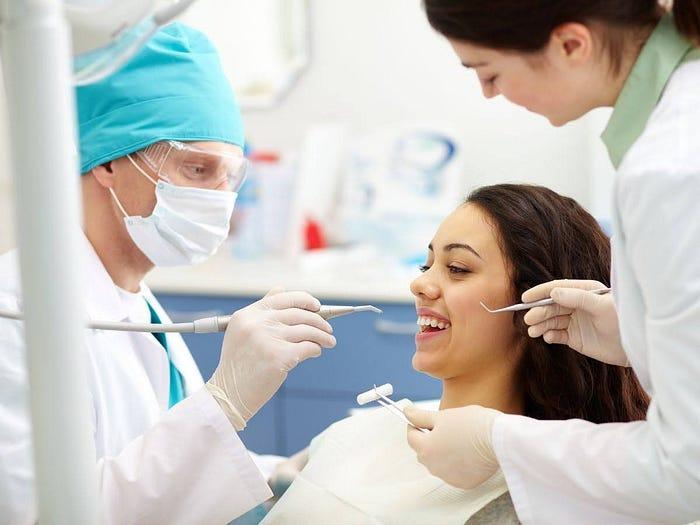
I've been in this field long enough to know that "just relax" is the worst advice you can give a nervous patient. Doesn't work. Never has. What actually works is pain free dental treatment done right, and that's a different conversation than most people expect. I still remember a guy who hadn't seen a dentist in almost twelve years, walking gray-faced, hands shaking a little. By the end of his cleaning he asked why nobody told him it could feel like that. That question sticks with me because it happens more often than you'd think.
Nobody's born scared of the dentist. It's learned, usually the hard way. Maybe a rough extraction back in middle school, maybe a dentist who didn't explain anything and just went to work with tools that sound like a hardware store. Some people hate the loss of control, lying there with your mouth open, someone's hands in it, no way to talk. Others just can't stand needles, full stop, doesn't matter how small. And a lot of folks are embarrassed, they haven't been in years and figure the dentist will judge them for it. Nobody's judging anybody. But that fear compounds. Skip one appointment, skip five, and suddenly a small cavity is a root canal waiting to happen.

Things have moved a long way past "grit your teeth and get through it." Pain free dental treatment these days means computer-controlled anesthesia that delivers numbing agent at a pace your nerve endings barely register, none of that old sharp sting. Laser tools now handle certain procedures without a drill touching your tooth at all. And sedation isn't some rare last resort anymore, nitrous for the mildly nervous, oral sedatives for people who need more than that. None of it is exotic. Most established practices carry this stuff as standard, not upgrade-only. The gap isn't in the technology, it's that a lot of patients still don't know to ask.
Funny thing, patients rarely remember the exact procedure. They remember how they were treated during it. A dentist walking you through each step before doing it. Headphones so the drill sound disappears under a podcast or music. A blanket if the room's cold, because dental offices are always cold for some reason. Some clinics let you set a stop signal, raise a hand, everything pauses, no argument. That's not fluff, that's what rebuilds trust in someone who's avoided care for years. I've watched patients visibly loosen up just from being told they're in control of the pace. Costs nothing to offer. Changes everything for the person in the chair.
There's a weird idea floating around that sedation dentistry is reserved for wisdom teeth removal or people who are basically terrified of the building. Not true, not even close. Plenty of patients use light sedation for a routine filling or a deep cleaning, just to knock the edge off their nervous system. You're not unconscious, most of the time you're aware, answering questions, just not white-knuckling the armrest the whole visit. If your pulse jumps thirty points thinking about your appointment next week, that's a normal conversation to have with your dentist. More people use it than admit to it out loud, honestly.
Here's where it gets practical. If you're looking around for a dental clinic in Simi Valley, don't just check reviews for cleanliness or scheduling, ask how they handle anxious patients specifically. A solid dental clinic in Simi Valley should ask about your comfort level before you're already sitting in the chair with a bib on, not after. Call ahead. Ask what sedation options they offer. Ask if they've dealt with patients who haven't been in years. You'll know pretty fast from the answer whether it's rehearsed or real experience talking.

This part gets overlooked a lot. Comfortable dentistry isn't just a nice-to-have, it changes outcomes. Patients who aren't dreading their next visit actually show up for their next visit. Consistent visits catch small problems before they become expensive, painful ones. It's just how preventive healthcare works, fear gets in the way of basic maintenance more than anything else. Clinics that lean into dental services built around pain free dental treatment aren't doing it for marketing points, they're keeping people in the system instead of losing them for a decade. That's the real value of it.
If dental fear has kept you out of the chair, the landscape's genuinely different now. Pain free dental treatment isn't a stretch goal anymore, it's closer to standard practice at clinics that take it seriously, better numbing tech, real sedation options, staff trained specifically to work with anxious patients. You might need to call around a bit before you find the right office, and that's fine, worth the extra phone calls. Don't stick with a place that rushes you through or brushes off your concerns like they're nothing. You're allowed to expect better than gritting your teeth through it.