English
 Arabic
 French
 Spanish
 Portuguese
 Deutsch
 Turkish
 Dutch
Dutch
 Italiano
 Russian
 Romaian
 Portuguese (Brazil)
 Greek
Greek
Travel and accommodation cost impact for Riyadh hair transplant
Health |
2026-06-30 17:10:03
 Advertise With Us
 About Us
 Terms And Conditions
 سياسة الخصوصية
عرض كل النتائج
سياسة الخصوصية
عرض كل النتائج

ترقية الحساب
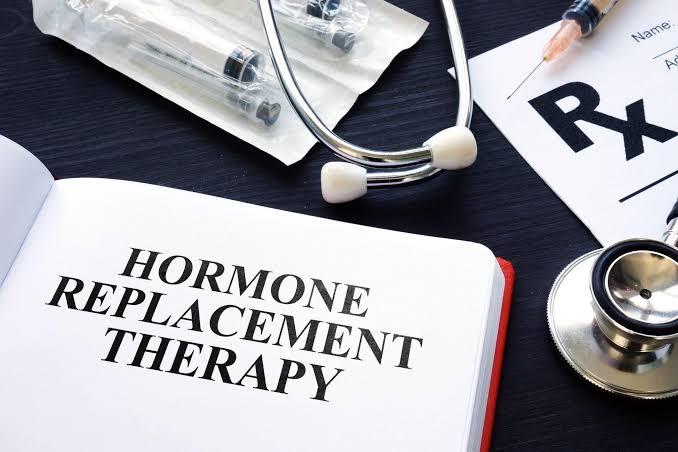
Hormonal changes are a natural part of aging, but that does not mean women have to simply accept uncomfortable symptoms. During perimenopause and menopause, changing estrogen and progesterone levels can contribute to hot flashes, night sweats, sleep problems, mood changes, vaginal dryness, low libido, and other concerns that can affect everyday life.
Hormone replacement therapy (HRT) may help relieve many of these symptoms. However, like any medical treatment, it can also have potential side effects and risks. Understanding the hormone replacement therapy side effects for women can help you have a more informed conversation with a qualified healthcare provider before deciding whether treatment is appropriate for you.
At RESTOR Medical Spa, hormone replacement and optimization are approached as part of personalized care. The practice offers hormone replacement services for women and focuses on factors such as energy, sleep, mood, libido, mental clarity, and overall well-being.
Hormone replacement therapy involves using hormones to help address symptoms associated with declining or changing hormone levels. Depending on an individual's needs, treatment may involve estrogen, progesterone, or other hormones.
For women experiencing menopause-related symptoms, hormone therapy may help reduce hot flashes, night sweats, vaginal dryness, and painful sexual activity. It may also provide benefits for bone health.
RESTOR Medical Spa offers personalized hormone replacement and optimization programs designed around individual symptoms and goals. Its approach may incorporate bioidentical hormone therapy alongside broader lifestyle and nutritional considerations.
Not every woman experiences side effects, and the type and severity can vary depending on the hormone used, dosage, delivery method, individual health history, and other factors.
Some commonly reported side effects can include:
The FDA lists several of these as possible side effects of certain menopause hormone medicines.
Some symptoms may improve as the body adjusts to treatment. However, persistent, worsening, or unexpected symptoms should always be discussed with the healthcare professional managing your treatment.
One of the most important things to understand about HRT is that benefits and risks are highly individual.
For some women, certain hormone therapies may increase the risk of serious health problems, including blood clots, stroke, heart attack, breast cancer, and gallbladder disease. Estrogen-only therapy can also increase the risk of endometrial cancer in women who still have a uterus; adding a progestin can reduce that risk.
This does not mean HRT is unsafe for every woman. Instead, it highlights why hormone therapy should be evaluated and monitored by a qualified medical professional rather than approached as a one-size-fits-all treatment.
The FDA recommends discussing whether hormone therapy is appropriate with a healthcare provider and using FDA-approved hormone therapies when possible.
Hormone symptoms can overlap with many other health and lifestyle factors. Fatigue, poor sleep, brain fog, mood changes, weight changes, and low libido, for example, may have more than one contributing factor.
This is where working with a functional medicine hormone specialist may be valuable. A functional medicine approach typically looks beyond an individual symptom and considers the broader picture of a person's health, including hormone levels, nutrition, lifestyle, and other relevant factors.
RESTOR describes its functional medicine-based hormone replacement approach as personalized and focused on identifying potential underlying factors through laboratory evaluation and incorporating lifestyle and nutritional support.
Rather than assuming every woman needs the same hormone combination or dosage, an individualized approach can help providers consider the patient's symptoms, health history, goals, and treatment response.
You may have heard the term "bioidentical hormone replacement therapy" (BHRT). Bioidentical hormones are designed to have the same molecular structure as hormones naturally produced by the body.
RESTOR Medical Spa offers BHRT for women and describes its approach as using hormones that are structurally identical to naturally occurring hormones, with treatment tailored to individual needs.
However, it is important to understand that "bioidentical" does not automatically mean a treatment is risk-free. The FDA distinguishes between FDA-approved hormone products and compounded hormone preparations. According to the FDA, there is not enough evidence to conclude that compounded bioidentical hormones are safer or more effective than FDA-approved hormone therapy.
For this reason, women should ask exactly which medication is being recommended, why it is appropriate, how it will be monitored, and what known risks apply to their individual situation.
Hormone therapy is not appropriate for everyone. Depending on the specific therapy, women with certain medical histories may need to avoid hormone treatment or consider alternative options.
The FDA advises caution or avoidance of menopause hormone therapy for women with conditions or histories including unexplained vaginal bleeding, certain cancers, previous blood clots, stroke or heart attack, liver disease, or certain bleeding disorders.
That is why a thorough medical evaluation should come before starting treatment.
There is no way to guarantee that hormone therapy will be completely free of side effects. However, appropriate medical evaluation and ongoing monitoring can help make treatment more individualized.
Before starting HRT, consider discussing:
Some side effects may be manageable, but certain symptoms require prompt medical attention. Seek medical advice if you experience unusual or persistent vaginal bleeding, severe headaches, chest pain, shortness of breath, sudden weakness, vision changes, or other concerning symptoms.
If you are already using HRT and something does not feel right, do not change your dosage or stop prescribed treatment without discussing it with your healthcare provider.
Understanding the hormone replacement therapy side effects for women is an important part of making an informed healthcare decision. HRT can provide meaningful relief for some women experiencing menopause-related symptoms, but the right treatment depends on individual circumstances.
At RESTOR Medical Spa, hormone replacement and optimization are incorporated into a broader approach to functional aging. The practice emphasizes personalized care rather than a cookie-cutter treatment plan, with services addressing hormonal health, nutrition, and overall wellness.
If you are considering hormone therapy, speaking with a qualified functional medicine hormone specialist can help you understand your options and determine whether hormone replacement may be appropriate for your needs.