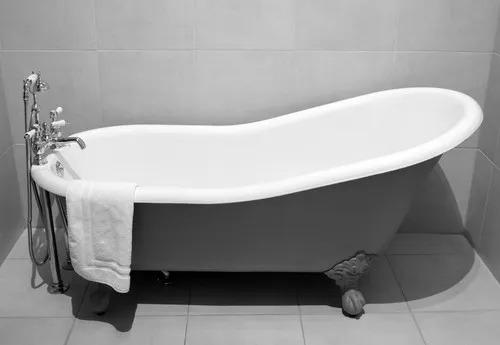
An old bathtub can make a bathroom look much older than it really is. Stubborn stains, small chips, scratches, faded surfaces, and peeling finishes are common after years of daily use. Many homeowners assume that replacing the entire bathtub is the only way to improve the room, but that can involve much more work than expected.
For homeowners in Toronto and the GTA, restoring an existing tub can be a practical alternative when the fixture is still structurally sound. bathtub reglazing can improve the appearance of a worn surface without requiring a complete bathroom renovation. Before choosing a contractor, it is worth understanding the process, cost factors, maintenance requirements, and situations where replacement may be a better option.
Why Homeowners Consider Bathtub Restoration
Bathtubs are exposed to water, soap, cleaning products, mineral deposits, and regular daily use. Over time, these factors can wear down the original finish and leave the surface looking dull or damaged.
Common problems include:
- Persistent stains
- Small chips and scratches
- Faded or discoloured surfaces
- Peeling finishes
- Rough areas
- Outdated colours
- Minor cosmetic damage
Toronto has a wide range of older houses, condos, rental properties, and renovated homes. In many of these properties, the bathtub remains completely functional even though its surface looks worn.
Restoring the existing fixture can make sense when the main problem is cosmetic. It can also reduce the disruption involved in removing a bathtub, which may affect surrounding tile, flooring, walls, plumbing, and other bathroom finishes.
Toronto's changing seasons also make bathroom maintenance important. During winter, homes are heated for long periods, while hot showers can increase moisture inside bathrooms. Good ventilation and regular cleaning can help protect bathroom surfaces throughout the year.
What Happens During the Reglazing Process?
Professional bathtub restoration involves several stages, and preparation is one of the most important. Simply applying a new coating over an unprepared surface can lead to poor adhesion and an unsatisfactory result.
The process normally begins with an inspection. The technician examines the bathtub material, existing finish, visible damage, and any previous coating. This helps determine whether the tub is suitable for restoration.
The surface is then cleaned thoroughly. Soap residue, oils, mineral deposits, and other contaminants must be removed before further preparation.
Small chips, scratches, and surface imperfections may be repaired at this stage. Depending on the material and condition of the bathtub, sanding or other preparation methods may be necessary.
After preparation, suitable primers, bonding products, and finishing materials are applied. The surrounding bathroom should be protected during the work to help prevent mess or overspray.
Once the finish has been applied, it needs sufficient time to cure. Homeowners should follow the contractor's instructions regarding when the bathtub can be used again.
The quality of the finished surface depends heavily on preparation, application, curing, and proper aftercare.
What Affects the Cost?
Homeowners searching for bathtub reglazing toronto cost may notice that different contractors provide different estimates. This is normal because no two bathtub restoration projects are exactly the same.
Several factors can affect the final price:
- Size and shape of the bathtub
- Existing surface condition
- Type of bathtub material
- Number of chips or scratches
- Previous coatings
- Amount of preparation required
- Labour
- Bathroom accessibility
- Colour or finish selection
- Additional repairs
- Warranty coverage
A bathtub with minor surface wear may require less preparation than one with peeling coating, several damaged areas, or a failed previous refinishing job.
For that reason, homeowners should compare the complete scope of work instead of choosing the lowest quote. Ask whether cleaning, repairs, preparation, coating, finishing, and cleanup are included.
An unusually cheap estimate may leave out important preparation work. Saving money initially may not be worthwhile if the finish begins peeling or deteriorating sooner than expected.
Refinishing or Replacing the Bathtub?
The condition of the existing fixture should be the starting point when deciding between restoration and replacement.
Replacement may be appropriate when the bathtub has serious structural damage, major deterioration, significant leaks, or another problem that cannot be solved through surface restoration. Replacement may also make sense during a complete bathroom renovation where the homeowner wants a different tub size, shape, or layout.
Restoration can be a better option when the bathtub is structurally sound but has cosmetic or surface-level problems.
There is also the question of disruption. Removing an existing bathtub can involve plumbing work, tile removal, flooring repairs, wall repairs, and disposal of the old fixture. Restoring the existing tub can allow homeowners to improve its appearance without disturbing as much of the surrounding bathroom.
The right decision depends on the condition of the tub, the homeowner's renovation plans, and the expected long-term use of the fixture.
Questions to Ask Before Hiring a Contractor
Getting several estimates can help, but homeowners should compare more than just prices.
Before hiring someone, consider asking:
- Is my bathtub suitable for restoration?
- What preparation will be performed?
- Will chips and scratches be repaired?
- What type of coating and materials will be used?
- How long will the project take?
- How long does the surface need to cure?
- What cleaning products should be used afterward?
- Is there a written warranty?
- Are repairs included in the quoted price?
- Can you provide examples of previous work?
It is also useful to ask whether the contractor has experience with the specific material of your bathtub. Porcelain, acrylic, fiberglass, and other surfaces can have different preparation requirements.
A detailed estimate should make it clear what the homeowner is paying for. Good communication before the project begins can prevent misunderstandings later.
Warning Signs That Should Not Be Ignored
Some bathtub problems are mostly cosmetic, while others may indicate a more serious issue.
Homeowners should watch for:
- Peeling or lifting coating
- Cracks that continue to grow
- Exposed material beneath damaged areas
- Persistent staining
- Rough sections that become worse
- Previous refinishing that is failing
- Water problems around the bathtub
- Damage that continues spreading
A small chip may not require immediate replacement, but ignoring continuing damage can make restoration more complicated.
Surface restoration should not be used to hide structural or plumbing problems. A significant crack, leak, or unstable fixture should be properly inspected before cosmetic work begins.
Addressing minor surface issues early can also make it easier to determine which restoration options are available.
DIY vs Professional Tub Refinishing
DIY kits can be tempting for homeowners who want to keep the initial cost low. Someone with experience in home improvement may feel comfortable following detailed instructions and completing the necessary preparation.
However, tub refinishing involves more than applying a new coating. Proper cleaning, surface preparation, repairs, application technique, ventilation, and curing all affect the finished result.
A mistake during preparation can cause poor adhesion. Applying the coating unevenly can affect the appearance, while using unsuitable cleaning products afterward can damage the new surface.
Professional restoration provides experience with different bathtub materials and surface conditions. It can also be useful when the existing tub has several damaged areas or when the homeowner expects a consistent professional finish.
DIY may make sense for someone with the right skills and realistic expectations. For a main bathroom or heavily worn bathtub, professional assistance can reduce the risk of having to repeat the project.
How to Maintain the Restored Surface
Proper care begins immediately after the restoration work is completed. Homeowners should follow the recommended curing period and avoid using the bathtub until the surface is ready.
After curing, use suitable non-abrasive cleaning products and soft cleaning tools. Avoid abrasive pads, harsh chemicals, and aggressive scrubbing unless the contractor specifically recommends them.
Leaking faucets should also be repaired promptly. Constant water exposure can create additional problems around the tub and surrounding surfaces.
Homeowners should avoid placing sharp or heavy objects directly on the finished surface. Simple maintenance habits can help preserve the appearance of the restored bathtub and reduce unnecessary wear.
Making the Right Choice for Your Bathroom
Restoring an existing bathtub can be a practical choice when the fixture is structurally sound but has become stained, scratched, faded, or outdated. It can improve the appearance of a bathroom while avoiding some of the disruption associated with complete replacement.
Before making a decision, consider the condition of the tub, preparation requirements, total estimate, expected timeline, warranty, and maintenance instructions. A reliable contractor should explain what can realistically be achieved and whether restoration is suitable for the existing fixture.
For reliable results and a professional assessment, homeowners should consider working with experienced local bathtub restoration professionals.
 English
 Arabic
 French
 Spanish
 Portuguese
 Deutsch
 Turkish
 Dutch
Dutch
 Italiano
 Russian
 Romaian
 Portuguese (Brazil)
 Greek
Greek
 Advertise With Us
 About Us
 Terms And Conditions
 Политика конфиденциальности
Смотреть все
Политика конфиденциальности
Смотреть все