English
 Arabic
 French
 Spanish
 Portuguese
 Deutsch
 Turkish
 Dutch
Dutch
 Italiano
 Russian
 Romaian
 Portuguese (Brazil)
 Greek
Greek
Elegant Custom Printed Tissue Paper Designs
Other |
2026-06-23 08:39:14
 Advertise With Us
 About Us
 Terms And Conditions
 Privacy Policy
Mostra tutti i risultati
Privacy Policy
Mostra tutti i risultati

Passa a Pro
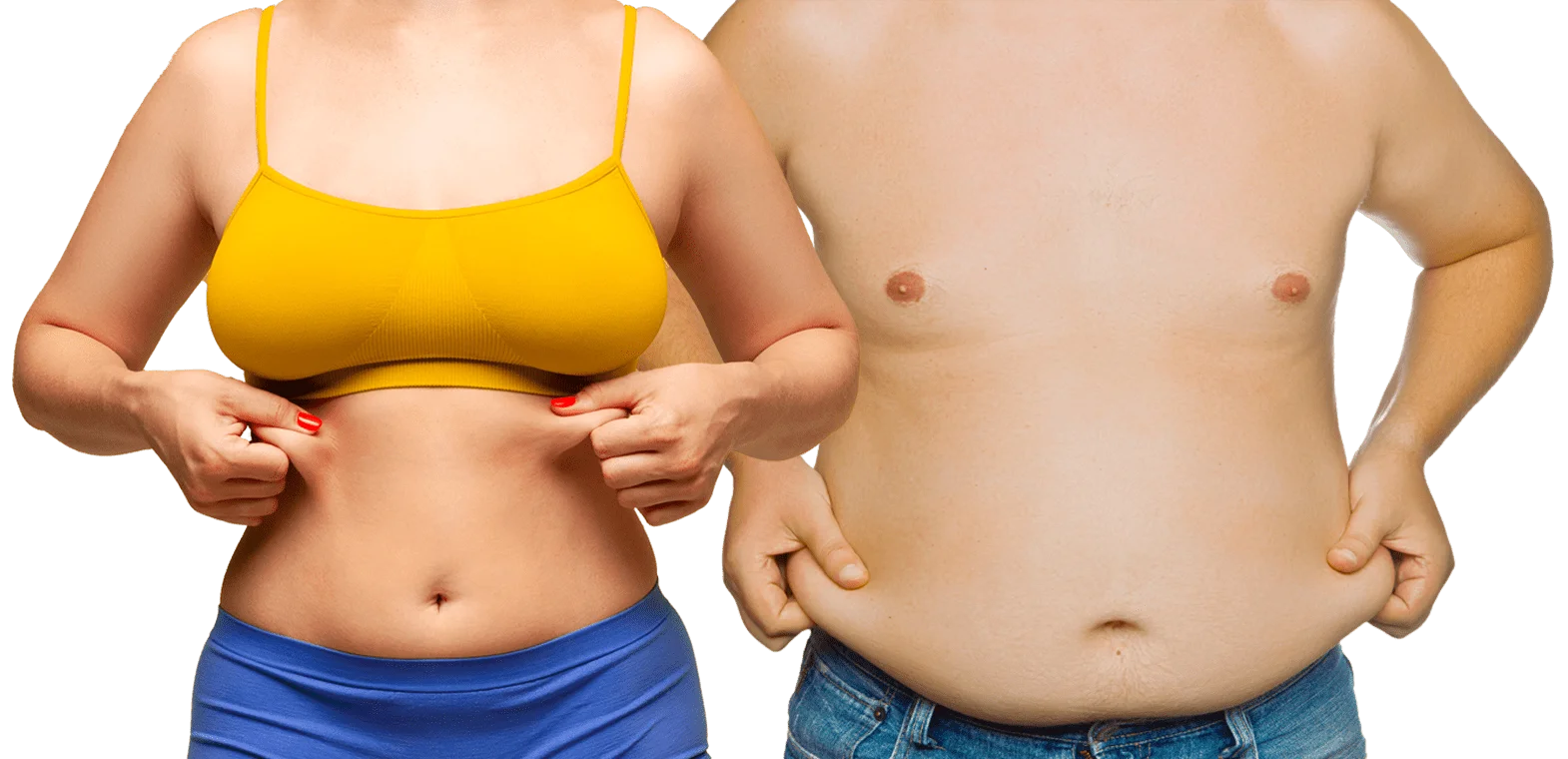
Liposuction in Jeddah is a surgical body-contouring procedure that can help suitable individuals reduce localized deposits of unwanted fat and improve the proportions of specific areas. Some people maintain a healthy lifestyle but continue to notice stubborn fat around the abdomen, waist, thighs, hips, arms, back, or beneath the chin. When localized fat becomes resistant to lifestyle changes, liposuction may be considered as a way to refine the body's contours.
The procedure requires careful assessment because successful body contouring depends on more than fat removal. Skin elasticity, body proportions, overall health, expectations, and recovery habits can all influence the outcome. Understanding these factors can help people make more informed decisions.
Liposuction is a surgical method of removing selected fat deposits beneath the skin.
During the procedure, small incisions are created in appropriate locations. A narrow cannula is introduced through these openings and moved carefully through the fatty tissue. The surgeon removes targeted fat while working to maintain a smooth and balanced contour.
The purpose is not to remove the maximum possible amount of fat. Excessive removal can create irregularities or affect natural proportions. Instead, the procedure generally focuses on controlled and carefully planned fat reduction.
Healthy eating and regular exercise are important for maintaining body weight and overall health. However, they do not guarantee that fat will disappear evenly from every area.
Genetics can determine where the body tends to store fat. Age and hormonal changes may also influence body composition.
For example, an individual may lose weight overall while still having persistent fullness around the abdomen. Another person may maintain a stable weight but have unwanted fat around the thighs or upper arms.
These localized deposits are among the concerns that may be addressed through liposuction.
It is important to understand that liposuction is not a general weight-loss procedure.
The treatment is intended to reshape selected areas rather than reduce overall body weight substantially.
People with significant excess weight may benefit from achieving greater weight stability before considering cosmetic body contouring.
Patients should approach liposuction with the expectation of improved shape and proportion rather than dramatic changes on the weighing scale.
The abdomen is frequently considered for liposuction because localized fat can create unwanted fullness around the stomach.
Carefully planned treatment may improve the relationship between the abdomen and waist.
The flanks can hold stubborn fat that affects the appearance of the waist.
Targeted treatment may create a smoother transition between the waist and hips.
Localized fat around the hips can affect lower-body proportions. Liposuction may help reduce this fullness in appropriate candidates.
Inner and outer thigh fat may be treated selectively to create smoother leg contours.
Excess fat in the upper arms may be suitable for liposuction when skin elasticity is adequate.
If significant loose skin is present, fat removal alone may not provide the desired appearance.
Back fat can affect the appearance of the torso and may be noticeable through clothing.
Targeted treatment can potentially improve the smoothness of the area.
Localized fat beneath the chin can make the jawline appear less defined. Submental liposuction may be considered for suitable individuals.
Good body contouring involves more than reducing individual measurements.
The relationship between neighboring areas must also be considered.
For example, treating the abdomen and ignoring significant fullness around the flanks may produce a less balanced appearance.
Similarly, reducing fat from the thighs requires attention to the natural shape of the legs.
Customized planning helps ensure that the treatment is appropriate for the patient's overall body structure.
Skin elasticity is another important factor.
When fat is removed, the skin needs to adapt to the reduced volume underneath. Patients with better elasticity may experience more effective skin contraction.
If substantial skin laxity exists, liposuction may not be enough to achieve the desired contour.
A professional evaluation can help determine whether loose skin is a major part of the concern.
Liposuction may be considered for adults who:
Have relatively stable weight
Have localized fat deposits
Are in appropriate overall health
Have realistic expectations
Understand the surgical nature of the procedure
Can follow postoperative instructions
These characteristics do not automatically make someone suitable. A medical professional must evaluate each patient individually.
A detailed consultation is necessary before liposuction.
The areas of concern can be examined and discussed. The medical professional can assess fat distribution, skin quality, and body proportions.
Patients should provide accurate information about medications, supplements, allergies, previous operations, and relevant medical history.
The consultation should also cover anesthesia, surgical technique, expected recovery, possible risks, and postoperative care.
Preoperative instructions vary depending on the patient and planned surgery.
Patients may receive guidance regarding medications, supplements, smoking, food and drink, and physical activity.
Following these instructions is important for safety.
Transportation should be arranged after surgery if the patient is unable to drive because of anesthesia or medication.
It may also be useful to organize help with household tasks during the early recovery period.
The treatment areas may be marked before surgery to guide the planned contour.
Anesthesia is administered according to the procedure.
Small incisions are created, and a cannula is inserted into the targeted fatty tissue.
The surgeon carefully removes selected fat deposits while maintaining attention to symmetry and natural proportions.
Once treatment is complete, the incisions are managed according to the surgical plan.
Compression garments may be recommended during the recovery period.
Swelling and bruising are common after surgery.
Patients may also experience soreness, tightness, tenderness, or temporary changes in sensation.
Compression garments may be recommended to support the treated tissues and help manage swelling.
Gentle walking may be encouraged when appropriate, while strenuous exercise and heavy lifting usually need to be restricted during the early recovery period.
Patients should follow the specific instructions provided by their medical team.
Follow-up appointments are important because healing needs to be monitored.
The medical team can assess swelling, incision healing, and the developing contour.
Patients can also discuss concerns and receive guidance about returning to normal activities.
If unusual symptoms develop, they should be reported promptly.
The final contour does not appear immediately.
Swelling can make the treated area appear larger or less defined during the early stages.
As healing progresses and swelling decreases, the body contour becomes clearer.
The timeline varies between patients, so recovery should not be compared directly with someone else's experience.
The fat cells removed from the treated area are permanently removed. However, remaining fat cells can still enlarge if substantial weight gain occurs.
Maintaining stable weight is therefore important.
Regular physical activity and balanced nutrition can help preserve the body contour and support general health.
Liposuction does not prevent natural changes associated with aging or future weight fluctuations.
Liposuction is a surgical procedure and carries potential risks.
These can include infection, bleeding, swelling, fluid accumulation, scarring, changes in skin sensation, contour irregularities, and complications associated with anesthesia.
Individual risks vary according to health and the extent of surgery.
Patients should discuss potential complications with their medical team before treatment and understand postoperative warning signs.
Anyone considering liposuction in Jeddah should prioritize safety and individualized medical advice.
Price alone should not determine the decision. Patients should consider appropriate medical qualifications, surgical facilities, treatment planning, and follow-up care.
It is also important to be cautious of unrealistic claims that promise guaranteed results or dramatic weight loss.
A proper consultation should explain what can realistically be achieved.
Liposuction works best when combined with a healthy lifestyle.
Balanced nutrition can help maintain a stable weight, while regular physical activity supports muscle tone and general fitness.
The procedure should complement healthy habits rather than replace them.
Future weight gain can change body contours, even after successful fat removal.
Liposuction in Jeddah can help suitable individuals reduce stubborn localized fat and improve body contours. Areas such as the abdomen, waist, hips, thighs, arms, back, and chin may be treated depending on individual anatomy and medical suitability.
The procedure is primarily designed for contouring rather than general weight reduction. Appropriate candidacy, good treatment planning, realistic expectations, and proper postoperative care are essential.
Before deciding on liposuction, individuals should obtain a personalized medical evaluation and understand the possible benefits, limitations, risks, and recovery requirements. With informed planning and healthy long-term habits, liposuction may provide meaningful improvement in selected areas of the body.