English
 Arabic
 French
 Spanish
 Portuguese
 Deutsch
 Turkish
 Dutch
Dutch
 Italiano
 Russian
 Romaian
 Portuguese (Brazil)
 Greek
Greek
Why Safety Culture Is the Foundation of Long-Term Operational Success
Other |
2026-07-08 08:05:57
 Advertise With Us
 About Us
 Terms And Conditions
 Datenschutzbestimmungen
Alle anzeigen
Datenschutzbestimmungen
Alle anzeigen

Upgrade auf Pro
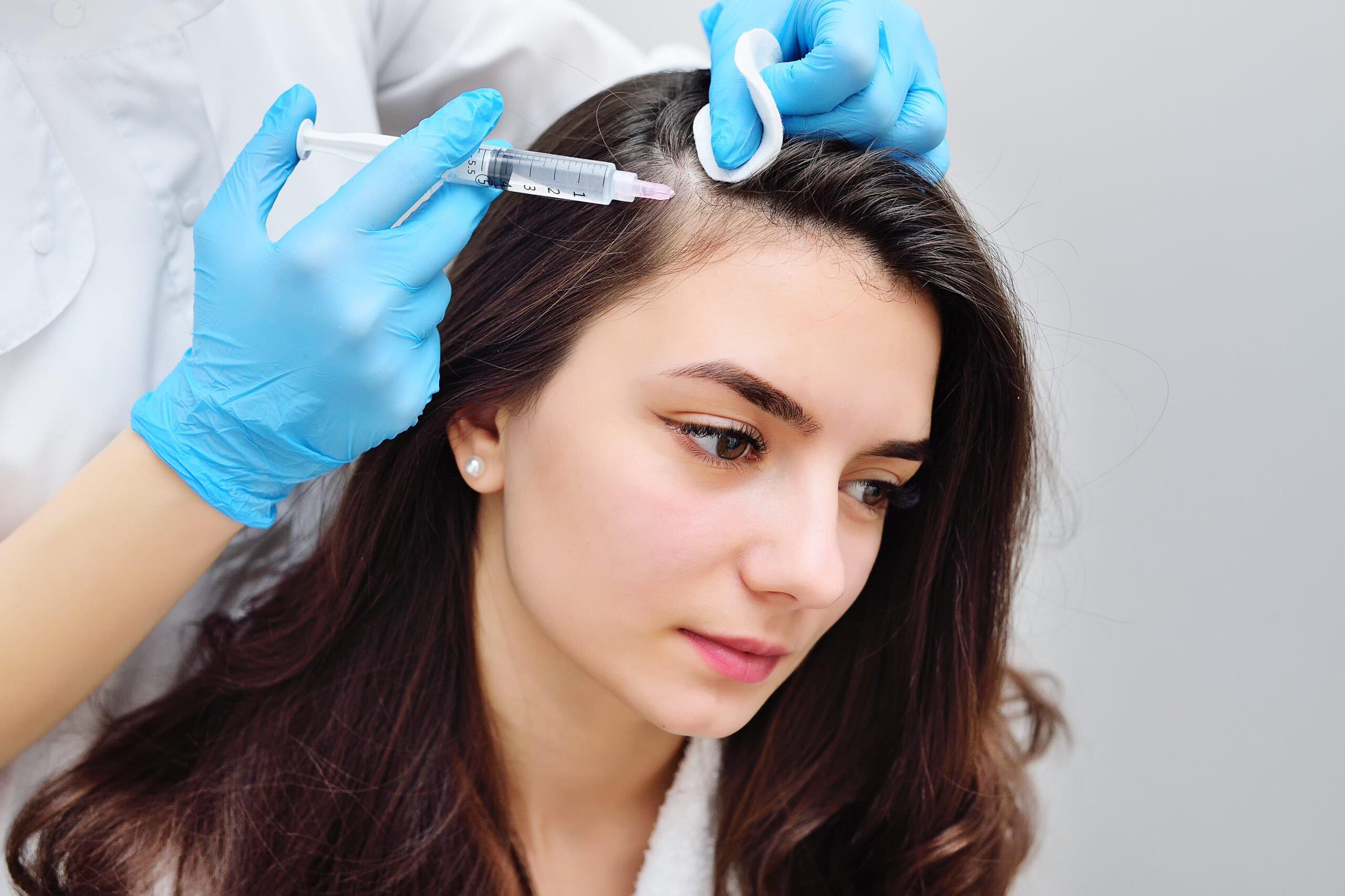
PRP (Platelet-Rich Plasma) therapy is widely used for hair loss treatment, but many people overlook an important factor that can influence outcomes: seasonal and environmental conditions. In hot climates—such as the Middle East, South Asia, and parts of Africa—heat, humidity, sun exposure, and lifestyle changes can all affect how well PRP works and how quickly results appear.
This article explains how hot weather and seasonal changes impact PRP results, and what you can do to optimize hair regrowth in these conditions. PRP hair treatment in Riyadh is becoming a popular option for people seeking to improve hair density and reduce hair thinning naturally.
PRP therapy involves extracting platelets from your blood and injecting them into the scalp. These platelets contain growth factors that:
However, PRP does not work in isolation. The scalp environment, nutrition, hydration, and external conditions all influence how effectively these growth factors perform.
Hair follicles are sensitive to external and internal conditions. In hot climates, the scalp is exposed to:
These factors can either support or reduce PRP effectiveness depending on how well they are managed.
Hot climates often lead to increased sweating and sebum (oil) production.
While PRP still works internally, an unhealthy scalp environment may reduce visible improvement.
Prolonged sun exposure is one of the most important seasonal factors affecting hair health.
After PRP, the scalp is more sensitive during the healing phase, making sun protection especially important.
In hot climates, dehydration is common and often underestimated.
Since PRP relies on good blood flow and cellular activity, hydration is essential for optimal results.
Sweating is natural in hot weather, but it can influence PRP recovery.
Sweat itself does not cancel PRP effects, but poor scalp hygiene during heavy sweating can slow recovery.
Hot climates often come with increased exposure to dust and airborne pollutants.
After PRP, follicles are in an active growth phase, so maintaining a clean scalp environment becomes more important.
Some people experience natural seasonal hair shedding, especially during:
In hot climates, this shedding can feel more noticeable due to:
PRP may help reduce this seasonal shedding, but results still depend on overall scalp health.
No, hot weather does not directly stop PRP from working.
However:
So the issue is not PRP itself, but the environment in which healing occurs.
To maximize PRP effectiveness in hot weather, follow these strategies:
Hydration improves blood flow and follicle nourishment.
This is especially important in the first few days after PRP.
Clean scalp = better follicle environment.
For at least 48–72 hours:
Heat can increase inflammation during early healing.
Include:
These support follicle repair under environmental stress.
Heat can indirectly increase fatigue and stress.
Good sleep:
PRP can be done in any season, but:
However, results depend far more on consistency and aftercare than season alone.
Seasonal effects are more noticeable in:
Seasonal conditions in hot climates do not stop PRP from working, but they can significantly influence comfort, recovery, and visible results. Heat, sun exposure, sweating, dehydration, and pollution can all affect scalp health and indirectly impact how well PRP performs.
The good news is that with proper care—hydration, sun protection, scalp hygiene, and lifestyle adjustments—PRP results remain highly effective even in hot environments.