English
 Arabic
 French
 Spanish
 Portuguese
 Deutsch
 Turkish
 Dutch
Dutch
 Italiano
 Russian
 Romaian
 Portuguese (Brazil)
 Greek
Greek
Automated Candidate Screening Tool: The Future of Efficient Recruitment
Other |
2026-06-06 20:14:31
 Advertise With Us
 About Us
 Terms And Conditions
 Политика конфиденциальности
Смотреть все
Политика конфиденциальности
Смотреть все

Обновить до Про
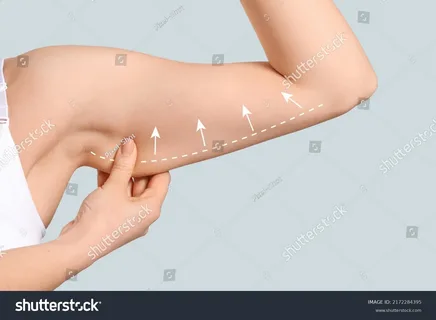
Arm lift surgery in Jeddah is a body-contouring procedure designed to address excess and sagging skin around the upper arms. Known medically as brachioplasty, the procedure can be particularly helpful for individuals who have achieved significant weight loss but are left with loose skin that does not respond to exercise or lifestyle changes.
Losing weight can produce major improvements in overall health and appearance. However, when the skin has been stretched for a long time, it may not completely contract after weight reduction. The result can be folds of excess tissue beneath the upper arms.
An arm lift focuses on this specific concern by removing excess skin and reshaping the remaining tissues.
When the body gains weight, the skin stretches to accommodate the increased volume. If the weight remains elevated for an extended period, the skin may lose some of its natural elasticity.
After significant weight loss, the underlying volume decreases, but the stretched skin may remain.
The extent of loose skin varies between individuals. Factors such as age, genetics, the amount of weight lost, duration of obesity, and skin quality can all influence the result.
For some people, the upper arms become one of the most noticeable areas of excess skin.
Exercise can improve muscle strength and overall body composition. Resistance training may make the upper arms appear firmer by developing the underlying muscles.
However, exercise cannot remove substantial amounts of excess skin.
This means that someone can achieve a healthy weight and maintain a regular fitness routine while still having loose tissue around the arms.
When skin laxity is significant, an arm lift may provide a more direct method of contour correction.
Brachioplasty involves removing excess skin from the upper arms and repositioning the remaining tissue.
The surgical approach varies depending on the patient's needs. Some individuals have excess skin concentrated near the underarm, while others have loose tissue extending down the inner arm.
The goal is to create a smoother and more proportionate appearance without unnecessarily removing tissue.
An arm lift may provide several benefits after significant weight loss.
Potential improvements include:
Reduction of hanging skin
Smoother upper-arm contours
Better proportion between the arms and torso
Improved definition
Greater comfort with clothing
Increased satisfaction with body contour
The extent of improvement depends on individual anatomy and skin quality.
Timing can be particularly important after major weight loss.
Patients should generally consider waiting until their weight has become relatively stable. Continued significant weight loss after surgery may create additional loose skin.
Similarly, major weight gain can stretch the treated tissue.
Discussing current and future weight goals during consultation can help determine an appropriate time for surgery.
Potential candidates generally have significant excess skin and realistic expectations.
They should also be healthy enough for elective surgery and understand that the procedure involves permanent scars.
Candidates may include people who:
Have completed substantial weight loss
Have persistent upper-arm skin laxity
Maintain stable weight
Are dissatisfied with loose skin
Understand the recovery process
Accept the possibility of visible scarring
A professional medical evaluation is necessary before surgery.
A consultation provides an opportunity to evaluate the condition of the upper arms.
The assessment may include skin elasticity, amount of excess tissue, localized fat, previous scars, and overall body proportions.
Patients should explain their goals and mention any future plans for additional weight loss.
Complete medical information should also be provided to support safe treatment planning.
The extent of excess skin determines the incision pattern.
A smaller amount of laxity may be treated through a more limited approach.
Significant excess skin often requires a longer incision along the inner upper arm.
If excess tissue extends toward the side of the chest, an extended approach may be considered.
Patients should understand that removing more skin generally requires a more extensive incision.
After weight loss, some patients may still have localized fat around the upper arms.
If both excess fat and loose skin are present, liposuction may sometimes be incorporated into the treatment plan.
Liposuction addresses fat, while brachioplasty addresses skin. The combination can sometimes produce a more comprehensive contour.
However, the decision depends on individual anatomy and should be made during professional evaluation.
Preparation involves both medical and practical planning.
Patients should disclose all medications, supplements, allergies, previous surgeries, and relevant medical information.
They should also arrange appropriate support during recovery.
Tasks involving lifting, pushing, pulling, and repetitive arm movement may be difficult initially, so assistance can be useful.
The operation is performed under appropriate anesthesia.
After the incision is made, excess skin is removed according to the surgical plan.
The remaining tissues are repositioned to create a smoother contour.
If fat reduction is included, it is performed according to the planned approach.
The incision is then closed and dressed.
Swelling and bruising are expected during the early healing period.
The arms may feel tight and tender, and movement may be temporarily restricted.
Compression garments may be recommended to support the tissues and manage swelling.
Patients should carefully follow instructions regarding wound care, medications, bathing, and activity.
Recovery time varies.
People with sedentary work may return to their usual responsibilities sooner than individuals whose occupations require significant arm activity.
Heavy lifting and strenuous movements generally need to be avoided during early healing.
A gradual return to activity helps protect the surgical area.
Once recovery is complete, exercise can play an important role in maintaining overall body composition.
Strength training may help develop the muscles beneath the treated skin.
However, exercise should be resumed gradually and only when appropriate.
Maintaining a stable weight is equally important because major weight changes can affect the long-term contour.
Swelling can make the arms appear different from their eventual appearance.
One side may also swell more than the other. Temporary asymmetry does not necessarily indicate a permanent problem.
As the body heals, swelling gradually decreases.
Patients should give the tissues sufficient time to settle before evaluating the final result.
Scarring is a significant consideration for post-weight-loss patients.
The scar may extend along the inner arm depending on the amount of excess skin removed.
Early scars can be noticeable, but they generally change over time.
Scar maturation may take many months, and the final appearance varies according to individual healing characteristics.
Potential complications include infection, bleeding, fluid accumulation, delayed wound healing, altered sensation, asymmetry, contour irregularities, and unfavorable scars.
Some patients may experience temporary numbness or sensitivity changes.
Understanding these risks is an important part of informed consent.
An arm lift can provide lasting improvement, particularly when the patient's weight remains stable.
Major weight gain can stretch the skin again, while significant additional weight loss can create new laxity.
Maintaining healthy lifestyle habits can support the long-term result.
For some people, excess skin can feel like the final obstacle after a major weight-loss journey.
Loose upper-arm tissue may affect clothing choices and confidence even after achieving a healthier body weight.
Improving the contour may help individuals feel more comfortable with their appearance.
However, realistic expectations remain essential because cosmetic surgery cannot guarantee complete satisfaction with every aspect of body image.
Patients considering arm lift surgery should carefully evaluate the benefits and limitations.
They should understand that the procedure involves surgery, recovery, permanent scars, and potential complications.
A detailed consultation can provide personalized information about the expected result and the appropriate surgical technique.
Arm lift surgery in Jeddah can be an effective option for individuals who have significant excess upper-arm skin following weight loss. Brachioplasty focuses on removing stretched tissue and reshaping the remaining skin to create a smoother and more proportionate appearance.
Stable weight, realistic expectations, careful preparation, and appropriate postoperative care are important components of successful treatment.
For people who continue to experience loose upper-arm skin despite reaching their weight-management goals, a professional consultation can help determine whether an arm lift is an appropriate next step.