English
 Arabic
 French
 Spanish
 Portuguese
 Deutsch
 Turkish
 Dutch
Dutch
 Italiano
 Russian
 Romaian
 Portuguese (Brazil)
 Greek
Greek
Silicone-Organic Hybrids Market to Expand Rapidly by 2036 with Strong Global Demand TrendsSays Fact MR Report
Games |
2026-05-13 13:09:45
 Advertise With Us
 About Us
 Terms And Conditions
 Politique de confidentialité
Tout voir
Politique de confidentialité
Tout voir

Mise à niveau vers Pro
Close your eyes and think of the last time you saw the word peptides. Maybe it was on a serum bottle, a tub of collagen powder, or a fitness forum. It sounds scientific, maybe a little intimidating. But here’s the good news: peptides are not as complicated as they sound. In fact, your body makes them right now.
Understanding what peptides are and how they work can help you make smarter decisions about your skin, your workouts, and your overall health. So let’s break it down in plain English, without the unnecessary jargon.
Peptides are short chains of amino acids. Amino acids are often called the building blocks of protein. When two or more amino acids join together with a peptide bond, they form a peptide. Most peptides contain between 2 and 50 amino acids. When a chain gets longer than 50 amino acids, it usually becomes a protein.
Think of it this way: amino acids are like letters. Peptides are like words. Proteins are like full sentences or paragraphs. Your body uses these “words” to send messages, build tissues, and keep organs working.
Because peptides are smaller than proteins, they can be absorbed more easily in some situations. This is one reason they’ve become so popular in skincare and supplements. Your body doesn’t have to break them down as much before using them.
Peptides are more than just building materials. Many of them act as signaling molecules. That means they bind to receptors on cells and trigger a specific action. Imagine a key fitting into a lock. When the peptide “key” turns the “lock” on a cell, the cell gets a message. That message might be “produce more collagen” or “reduce inflammation” or “repair this tissue.”
Different peptides send different messages. Some peptides help regulate hormones. Others support the immune system. Some work as neurotransmitters, helping nerve cells communicate. And some act as natural antibiotics, fighting off harmful bacteria.
This is why how do peptides work isn’t a one-sentence answer. Their function depends on the specific sequence of amino acids and the receptor they target.
Not all peptides are the same. Here are the ones you’ll most likely come across:
Collagen peptides: These are broken-down pieces of collagen protein. People use them in powders, drinks, and gummies to support skin elasticity, joint comfort, and hair and nail strength.
Copper peptides: These are small peptides bound to copper. They’re often used in skincare for wound healing, collagen production, and reducing fine lines.
Creatine peptides: A form of creatine bound to peptides. Fitness enthusiasts like them because they may be easier on the stomach and absorb faster than regular creatine monohydrate.
Antimicrobial peptides: These are part of your body’s natural defense system. They can kill bacteria, fungi, and even some viruses. Scientists are studying them for new antibiotic treatments.
Signal peptides: These tell cells to perform specific jobs, like making more collagen or elastin. You’ll see them in anti-aging skincare products.
Neuropeptides: These help nerve cells communicate and influence pain, mood, and digestion.
Each type has a different role. That’s why the best peptide for you depends on your specific goal.
Let’s get real about skincare. Peptides are not a magic eraser for wrinkles, but they are one of the more promising ingredients in anti-aging products. Here’s how they help:
When you apply a well-formulated peptide serum, certain signal peptides can penetrate the outer layer of skin and tell fibroblasts to produce more collagen and elastin. Collagen keeps skin firm, while elastin keeps it bouncy. As you age, your body produces less of both. Peptides can help nudge that process in the right direction.
Copper peptides also support skin repair and reduce redness. They can be especially helpful after procedures like microneedling or laser treatments.
But formulation matters a lot. Look for products that list specific peptides, such as palmitoyl pentapeptide-4 (Matrixyl) or copper tripeptide-1. Avoid products that just say “peptides” without naming them. And be patient: most people see improvements after 8 to 12 weeks of consistent use.
If you’re into fitness, you’ve probably heard about creatine peptides or collagen peptides. Let’s separate fact from hype.
Creatine peptides combine creatine with peptide chains. The idea is that the peptide bond helps the creatine absorb faster and sit better in your stomach. Some users report less bloating compared to regular creatine. But the research is still limited. For most people, standard creatine monohydrate works just as well and is cheaper.
Collagen peptides are popular among athletes for joint support. Your tendons and ligaments contain a lot of collagen. Supplementing with collagen peptides may help reduce joint discomfort and support recovery, especially when combined with vitamin C and consistent training.
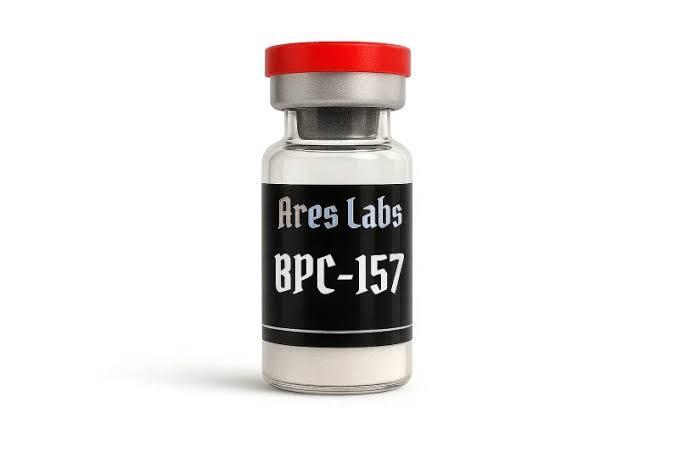
Then there are research peptides like BPC-157 and TB-500. These are synthetic peptides studied for tissue healing and muscle repair. However, they are not approved for human use in many countries, and buying them online carries serious risks. Always talk to a qualified healthcare provider before considering any injectable peptide.
Peptide therapy is the use of specific peptides to treat or manage health conditions. This isn’t new. Insulin, a peptide hormone, has been used to treat diabetes for decades. More recently, GLP-1 receptor agonist peptides like semaglutide have gained attention for blood sugar control and weight management.
Other FDA-approved peptide drugs include:
Teriparatide for osteoporosis
Enfuvirtide for HIV
Bivalirudin as a blood thinner
These are prescription medications with clinical backing. They are very different from the peptides you’ll find in a face cream or a collagen powder. If you’re curious about peptide therapy for a medical condition, start with a doctor who understands peptide science. Don’t self-experiment with unregulated products.
Let’s summarize the potential benefits of peptides:
For skin: improved hydration, fewer fine lines, better barrier function, and faster healing.
For fitness: reduced joint discomfort, better recovery, and possible strength support.
For general wellness: immune support, gut health, and better sleep quality for certain peptides.
But peptides are not risk-free. The side effects of peptides depend on the type and how you use them.
Topical peptides and oral collagen supplements are generally safe for most people. You might experience mild skin irritation, redness, or digestive upset. Allergic reactions are rare but possible.
Injectable or research peptides are a different story. They can cause infection at the injection site, hormone imbalances, or unknown long-term effects. Always choose products from reputable brands with third-party testing, and consult a professional before adding new supplements or treatments.
Here’s a simple checklist I share with friends and readers:
Identify your main goal. Are you targeting skin aging, joint comfort, muscle recovery, or overall health?
Read the ingredient list. Look for specific peptide names, not vague labels.
Check for third-party testing. Trusted brands test for purity and contaminants.
Avoid extreme claims. If a product promises to erase wrinkles overnight or build muscle without effort, walk away.
Ask an expert. A dermatologist, dietitian, or physician can help you choose based on your health history.
Peptides might sound like a buzzword, but they’re a real and important part of how your body works. From skin repair to muscle recovery, these small chains of amino acids play a big role. Now that you know what peptides are and how they work, you can look past the marketing and choose products that actually match your goals.
Start simple. Pick one area you want to support, choose a well-tested product, and give it time to work. And remember: peptides are helpers, not miracle workers. Good sleep, balanced nutrition, and regular movement will always be your foundation.