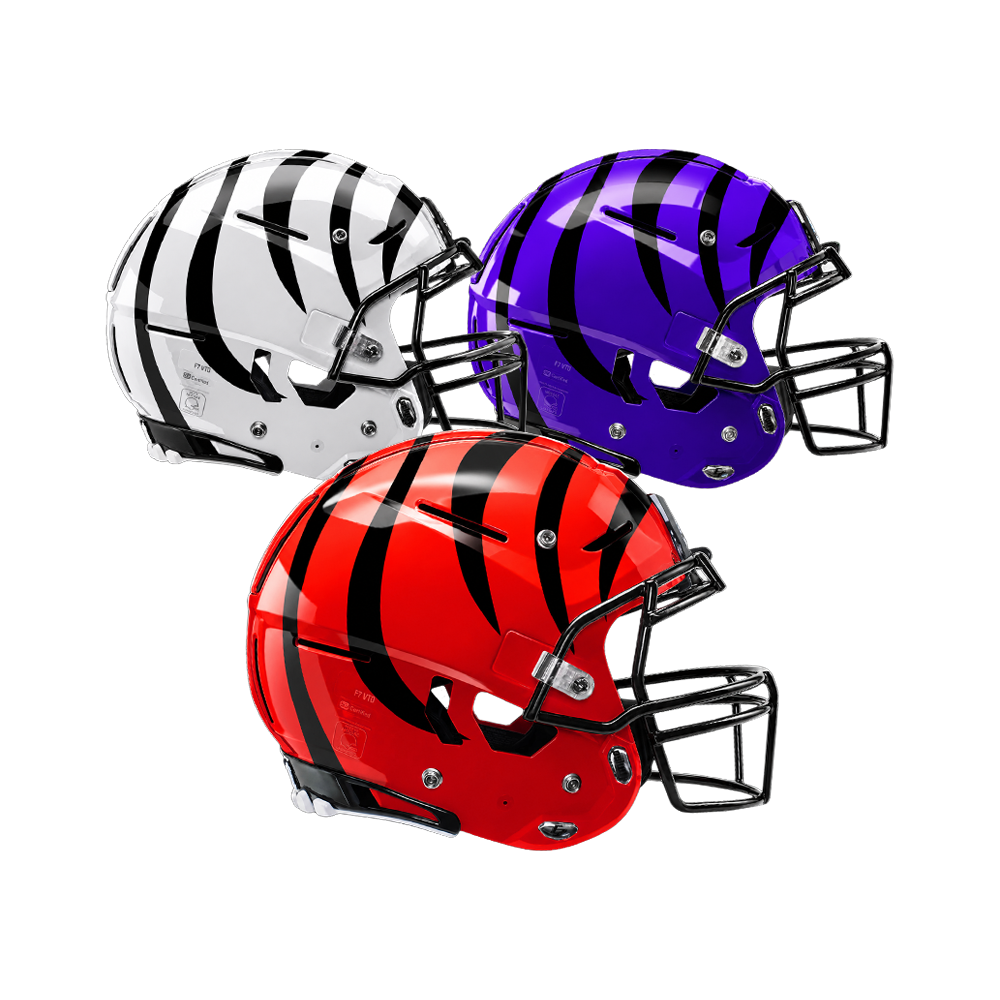
A football helmet is an important part of a player's equipment, but it can also be one of the strongest visual elements of a team's uniform. Logos, numbers, stripes, and other graphics can turn a basic helmet into a recognizable representation of the team. However, choosing the right decal involves more than selecting a design that looks good. Teams should consider compatibility, material, size, placement, and maintenance before making a purchase.
For schools, clubs, youth leagues, and competitive programs, helmet decals football teams choose should complement their existing uniforms while remaining practical for regular use. A well-selected decal can create a consistent appearance across the roster and help players feel connected to their team identity. Here are seven important factors to consider before ordering.
1. Match the Team's Identity
The first step is deciding what the decal should communicate. A team's mascot, logo, initials, colors, or numbers can all become part of the design. Think about whether the team wants a traditional appearance or something more modern and distinctive.
The design should also coordinate with jerseys, pants, socks, and other equipment. Consistent colors and graphics create a polished look and make the team easier to recognize during games.
2. Check Helmet Compatibility
Not every decal fits every helmet in the same way. Different helmet brands and models can have unique shapes, curves, vents, and hardware that affect decal placement.
Before ordering, identify the exact helmet model being used. Check the available sizing and templates to make sure the graphic is designed for the appropriate surface. This can prevent problems with edges overlapping vents or other helmet components.
3. Select the Appropriate Size
Size can dramatically change the appearance of a helmet graphic. A decal that is too small may not be visible from a distance, while an oversized design can interfere with the helmet's existing features.
Consider where the graphic will be placed and how it will look from different angles. If the team is using multiple decals, make sure their proportions work together instead of making the helmet appear crowded.
4. Choose a Suitable Material
Football equipment experiences regular handling, outdoor exposure, and repeated use throughout a season. The material of the decal should therefore be appropriate for athletic applications.
Look for products made with durable vinyl or other materials designed to maintain their appearance when properly applied. The adhesive should also be suitable for the intended helmet surface. A quality material can help the graphic maintain its shape and appearance through normal use.
5. Think About the Finish
The finish can change the overall character of a helmet. Traditional gloss designs can create a classic appearance, while matte, metallic, chrome, or holographic finishes can produce a more distinctive style.
Choose a finish that works with the team's existing equipment. If the uniform already includes several visual elements, a simpler finish may create better balance. For teams looking for a bold appearance, a specialty finish can make the helmet stand out.
6. Plan the Application Carefully
Even a high-quality decal can look uneven if it is not applied correctly. Before installation, clean the helmet surface according to the appropriate care instructions and make sure it is free from dirt, grease, and residue.
Plan the position before removing the backing. Once placement has been determined, apply the decal gradually and press it smoothly onto the surface. Taking extra care during installation can reduce wrinkles, air bubbles, or uneven edges.
7. Consider Maintenance and Replacement
Football helmets are handled frequently, so decals should be checked periodically for signs of lifting, damage, or wear. Proper cleaning can help preserve the graphic, but harsh chemicals or aggressive scrubbing may affect certain finishes or adhesives.
Teams should also consider keeping replacement decals available. Having extras can be useful if a graphic becomes damaged during the season or if a new helmet is added to the roster. Maintaining consistent designs across all players helps preserve the team's professional appearance.
Choosing a Reliable Decal Provider
When selecting football graphics, working with a supplier that offers helmet-specific options can simplify the process. Sportdecals provides football helmet decals in various designs, sizes, and finishes, giving teams flexibility when creating their preferred look. Before ordering, teams should review product details, helmet compatibility, sizing, and application requirements to make an informed choice.
Ordering a complete set at once can also help maintain consistency in color, dimensions, and design. This is particularly useful for schools and organizations outfitting an entire roster.
Final Thoughts
Choosing football helmet decals requires a balance between appearance and practicality. The right graphic should represent the team while fitting the helmet properly and remaining suitable for regular athletic use.
By considering team identity, helmet compatibility, size, material, finish, application, and maintenance, coaches and equipment managers can make better purchasing decisions. A carefully selected decal can give every player a coordinated appearance while strengthening the visual identity and pride that make a football team memorable.
 English
 Arabic
 French
 Spanish
 Portuguese
 Deutsch
 Turkish
 Dutch
Dutch
 Italiano
 Russian
 Romaian
 Portuguese (Brazil)
 Greek
Greek
 Advertise With Us
 About Us
 Terms And Conditions
 Privacy Policy
Mostra tutti i risultati
Privacy Policy
Mostra tutti i risultati