English
 Arabic
 French
 Spanish
 Portuguese
 Deutsch
 Turkish
 Dutch
Dutch
 Italiano
 Russian
 Romaian
 Portuguese (Brazil)
 Greek
Greek
Global Healthcare Consulting Service Market to Reach USD 44.78 Billion by 2029 from USD 21.63 Billion in 2022 at 10.95% CAGR
Networking |
2026-06-16 08:58:52
 Advertise With Us
 About Us
 Terms And Conditions
 Privacy Policy
Mostra tutti i risultati
Privacy Policy
Mostra tutti i risultati

Passa a Pro
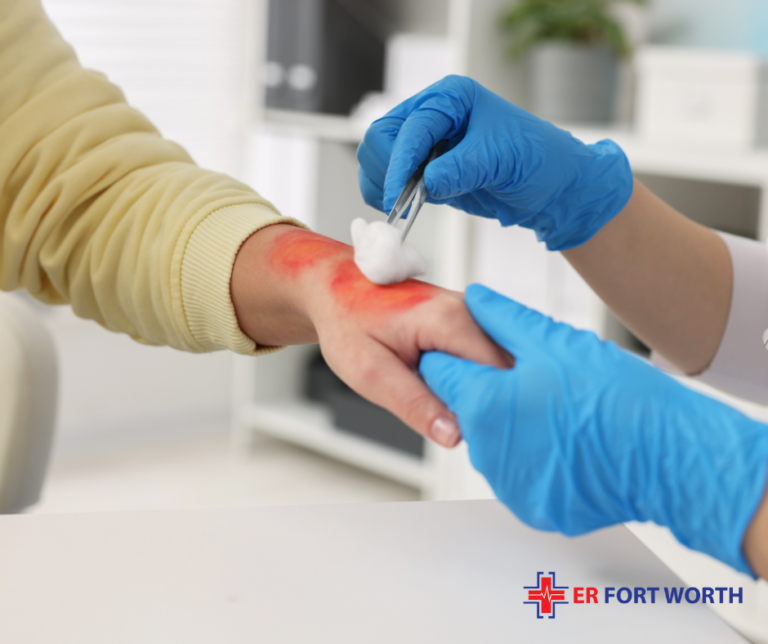
Burns can happen at home, at work, in the kitchen, or during an accident. Some burns are minor and can heal with simple first aid, while deeper or larger burns may require immediate medical attention. Knowing the best treatment for burns can help reduce pain, protect damaged skin, and lower the risk of infection and other complications. For serious burns, prompt evaluation at an emergency facility such as ER of Forthworth can help ensure the injury is properly assessed and treated.
A burn is an injury to the skin or deeper tissues caused by heat, chemicals, electricity, radiation, or friction. The seriousness of a burn depends on its depth, size, location, and cause.
Common types include:
Burns are commonly described by how deeply they affect the skin.
These affect the outer layer of skin. The area may appear red, painful, and dry but usually does not develop significant blisters.
These affect deeper layers of skin and may cause:
Some second-degree burns need professional evaluation, particularly when they are large or located on sensitive areas.
These are serious injuries that can destroy several layers of skin and may affect deeper tissues. The skin can appear white, brown, black, leathery, or charred. Pain may sometimes be less noticeable in the most severely damaged area because nerves can also be injured.
Third-degree burns require emergency medical care.
Quick and appropriate first aid can make an important difference.
Move away from the heat, flames, chemicals, or electrical source if it is safe to do so. For clothing that catches fire, use the “stop, drop, and roll” approach.
For many minor thermal burns, gently cool the affected area with cool running water for about 20 minutes. Avoid using ice directly on burned skin because extreme cold can cause additional tissue damage.
Carefully remove rings, watches, bracelets, or tight clothing near the injured area before swelling increases. Do not remove clothing that is stuck to the skin.
After cooling, cover a minor burn with a clean, non-stick dressing or sterile cloth. Avoid applying pressure to the injured skin.
Blisters provide a natural protective barrier. Popping them can increase the chance of infection and delay healing.
Some common home remedies can make a burn worse. Avoid:
When the injury looks serious, professional assessment is safer than relying only on home treatment.
Not every burn requires emergency treatment, but certain signs should never be ignored.
Seek emergency medical care when a burn:
A burn involving the airway can become especially dangerous because swelling may interfere with breathing.
ER of Forthworth provides emergency evaluation for patients who need medical attention after an injury. When a patient arrives with a significant burn, healthcare professionals can assess the depth and extent of the injury and determine the appropriate treatment.
Depending on the situation, emergency burn care may involve:
Medical professionals examine the affected skin to determine the severity and extent of the burn. The location and cause of the injury are also considered.
The burn may need careful cleaning to remove contaminants and reduce the risk of infection.
Burns can be extremely painful. Appropriate pain management may be used based on the patient's condition and the severity of the injury.
A suitable dressing can protect damaged skin and support the healing process. More serious wounds may require specialized follow-up care.
Large or serious burns can cause significant fluid loss. Emergency clinicians may evaluate the patient for dehydration and other complications and provide appropriate treatment when necessary.
Some severe burns require specialized burn-center treatment, surgery, or ongoing wound care. If needed, emergency professionals can help arrange appropriate follow-up or transfer.
Healing time depends on the depth and size of the burn.
Minor burns may improve within several days to a few weeks. Deeper burns can take much longer and may require specialized treatment. Scarring can also occur, particularly after deeper injuries.
Following medical instructions and protecting the wound can support proper recovery.
Many burns are preventable with simple safety habits.
At home:
At work, follow workplace safety procedures and use appropriate protective equipment when handling heat, chemicals, or electrical equipment.
Children have delicate skin and may suffer serious injuries from relatively small amounts of heat. Parents and caregivers should seek medical advice when a child's burn is large, deep, blistered, located on a sensitive body part, or caused by electricity or chemicals.
Do not rely on home remedies for a potentially serious childhood burn. Prompt evaluation can help determine whether additional treatment is needed.
Early assessment can help identify injuries that may appear less serious at first. Proper treatment can help:
Even when a burn initially appears manageable, changes such as increasing redness, swelling, drainage, fever, worsening pain, or a foul odor should receive medical attention.
The appropriate response to a burn depends on its severity and cause. For a minor thermal burn, cooling the area with cool running water and protecting it with a clean dressing may be appropriate. Avoid ice, butter, oils, and popping blisters.
Serious burns, including deep burns, extensive burns, electrical or chemical burns, and burns involving the face or airway, require prompt professional evaluation. ER of Forthworth can evaluate emergency burn injuries and determine the next appropriate step in care.
Cool the burn with cool running water for about 20 minutes, then protect it with a clean, non-stick dressing. Avoid ice and home remedies such as butter or oil.
No. Direct ice can damage already injured tissue. Cool running water is generally a safer option for cooling a minor thermal burn.
No. Popping a blister can expose the underlying tissue and increase the risk of infection.
Seek emergency care for deep or extensive burns, electrical or chemical burns, burns affecting the face or airway, and burns involving sensitive areas such as the hands or genitals.
Yes. Very deep burns can damage nerves, so the most severely injured area may sometimes have reduced sensation. This does not mean the injury is minor.
Possible warning signs include increasing redness, swelling, worsening pain, pus or unusual drainage, fever, or a foul smell. Contact a healthcare professional if these symptoms develop.
No. Minor burns often heal without significant scarring, while deeper burns have a greater risk of permanent scars or skin changes.
For more information visit:https://eroffortworthtx.com/services/burns-treatment/