English
 Arabic
 French
 Spanish
 Portuguese
 Deutsch
 Turkish
 Dutch
Dutch
 Italiano
 Russian
 Romaian
 Portuguese (Brazil)
 Greek
Greek
Millet Based Packaged Food Market Analysis: Functional Nutrition and Clean-Label Products Fuel Expansion
Other |
2026-07-28 06:18:32
 Advertise With Us
 About Us
 Terms And Conditions
 Datenschutzbestimmungen
Alle anzeigen
Datenschutzbestimmungen
Alle anzeigen

Upgrade auf Pro
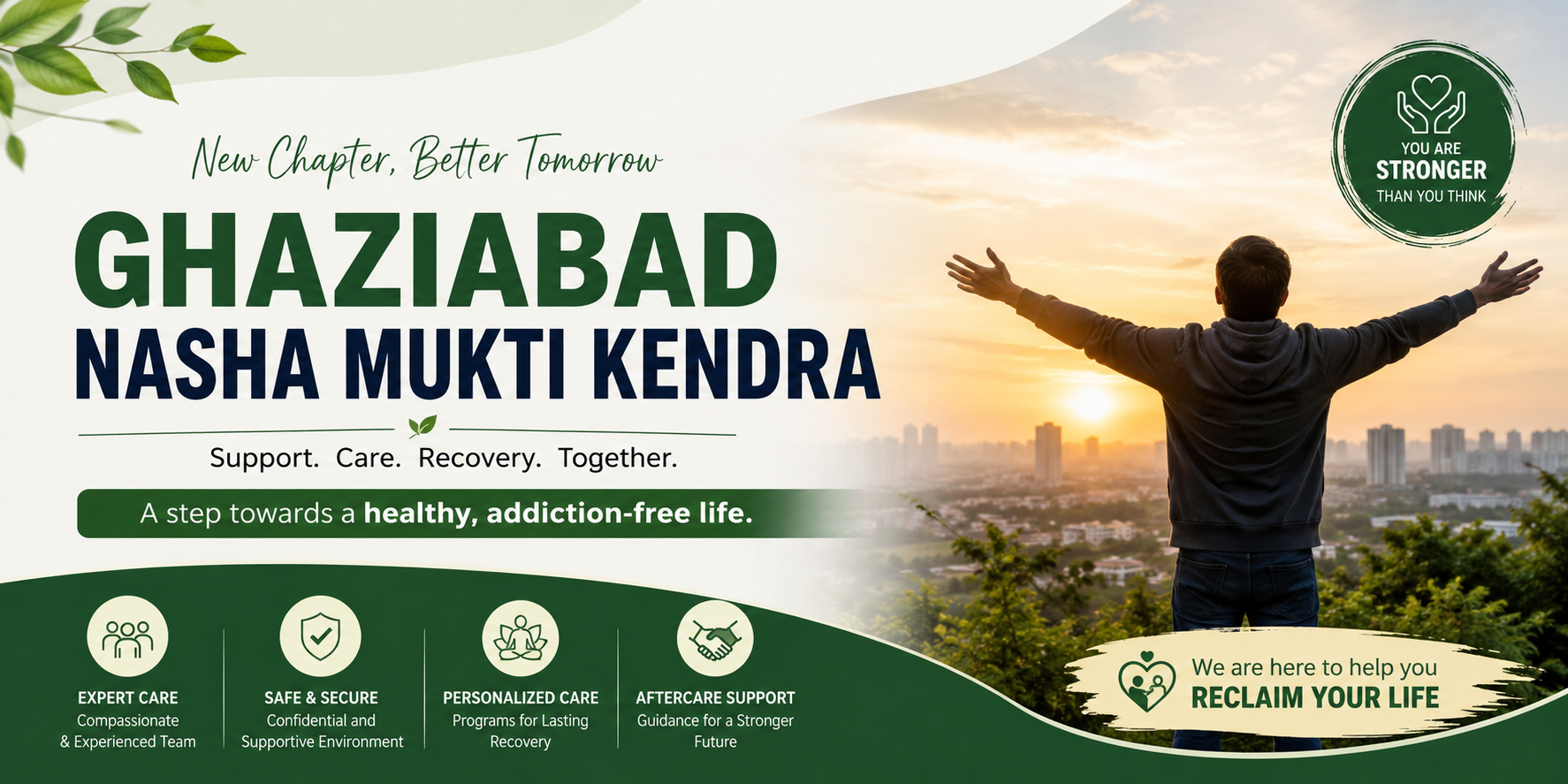
Starting recovery can bring a mix of emotions. Some people feel hopeful about making a fresh start, while others may feel uncertain about leaving familiar surroundings or changing long-standing habits. These feelings are completely understandable. Knowing what to expect can make the first few days feel less confusing and help a person approach the process with a more open mind.
A good rehab centre provides more than a place to stay. It creates a structured environment where individuals can work on daily routines, understand their challenges, develop healthier habits, and prepare for life beyond treatment. Recovery is a gradual process, and each person's experience can be different.
The beginning of recovery often involves adjusting to a new environment and schedule. Instead of following the same routine as before, a person may have set times for meals, counselling, activities, rest, and personal responsibilities.
It is normal to need some time to become comfortable. Staff members may explain the centre's rules, daily timetable, available programmes, and expectations. This initial period helps create a sense of order and allows the individual to understand how the programme works.
During this stage, patience is important. Nobody needs to have everything figured out on the first day.
A structured routine can make recovery easier to manage. When days have a clear purpose, there is less room for boredom and unhelpful patterns.
A typical day may include a combination of:
Individual counselling and guided conversations
Group discussions and peer activities
Meals and planned rest periods
Physical activities or recreational sessions
Personal reflection and goal-setting
Time for reading, hobbies, or other constructive interests
The exact schedule depends on the centre and the person's needs. Over time, following a routine can help rebuild discipline and make everyday responsibilities feel more manageable.
Counselling is an important part of many substance abuse recovery programmes. It gives individuals an opportunity to talk about experiences, emotions, relationships, habits, and situations that may have contributed to unhealthy choices.
At first, opening up to another person may not feel easy. A supportive counsellor should create a respectful environment where concerns can be discussed honestly.
As trust develops, conversations may become more useful. Individuals can begin identifying personal triggers, recognising unhelpful patterns, and considering better ways to respond when difficult situations arise.
Group sessions can provide a different kind of support. Listening to people with similar struggles can remind someone that they are not facing their challenges alone.
Everyone's story is different, but shared experiences can encourage empathy and understanding. Group discussions may also help individuals practise communication, patience, and respectful listening.
For someone considering a Nasha Mukti Kendra in Ghaziabad, it can be helpful to ask whether the centre provides group activities and how these sessions are organised. The quality of support and the comfort of the environment can influence the overall experience.
Recovery also involves changing the way a person spends their time. Simple daily habits can gradually create a stronger foundation for the future.
A person may begin paying more attention to sleep, meals, cleanliness, exercise, personal responsibilities, and productive activities. These changes may appear small, but consistency can make them powerful.
Some useful habits may include:
Starting the morning at a regular time
Keeping personal belongings organised
Taking part in physical or recreational activities
Setting aside time for quiet reflection
Staying connected with supportive people
Completing small responsibilities without unnecessary delay
The goal is not to create a perfect routine immediately. It is to build habits that can realistically continue after leaving the centre.
Returning to everyday life can bring situations that test a person's progress. Certain places, people, emotions, or stressful circumstances may remind someone of previous behaviour.
A recovery programme can help individuals recognise these triggers before they become overwhelming. Instead of reacting automatically, they can practise healthier responses and make decisions that protect their progress.
For example, someone may learn to leave an uncomfortable situation, contact a trusted person, redirect their attention to a positive activity, or use techniques discussed during counselling.
This practical preparation can make relapse prevention easier to understand and apply in real-life situations.
Family relationships may need time and patience to improve. Recovery does not automatically repair every disagreement or rebuild trust overnight.
Open communication can help family members understand one another better. In some cases, family counselling can provide a safe setting for discussing concerns, expectations, and boundaries.
Rather than making big promises, consistent behaviour often speaks louder. Showing up on time, communicating honestly, following commitments, and respecting boundaries can gradually demonstrate positive change.
Recovery becomes more meaningful when a person has something positive to work toward. Goals provide direction and help turn daily progress into a longer-term plan.
These goals could involve returning to work, continuing education, rebuilding family connections, developing a hobby, improving financial habits, or simply maintaining a stable daily routine.
A Nasha Mukti Kendra in Ghaziabad may help individuals think about these goals while they are still in a structured environment. Breaking a large goal into smaller steps can make the future feel more achievable.
For example:
Identify one realistic goal.
Divide it into manageable tasks.
Track progress regularly.
Discuss difficulties with a trusted counsellor.
Adjust the plan when circumstances change.
Completing a programme is an important milestone, but maintaining progress requires continued effort. Aftercare support can help individuals stay connected with helpful resources after returning home.
Depending on individual needs, ongoing support may involve counselling, family involvement, peer groups, regular check-ins, or maintaining a structured routine.
Before choosing a Nasha Mukti Kendra in Ghaziabad, families should ask about what happens after the residential programme ends. A clear transition plan can make the move back into everyday life smoother.
Starting recovery may feel uncertain, but it can also become the beginning of meaningful change. With structure, honest conversations, practical skills, supportive relationships, and realistic goals, individuals can gradually create a healthier and more dependable way of living. The first step does not need to be perfect—it simply needs to move life in a better direction.