English
 Arabic
 French
 Spanish
 Portuguese
 Deutsch
 Turkish
 Dutch
Dutch
 Italiano
 Russian
 Romaian
 Portuguese (Brazil)
 Greek
Greek
Celebrity Acne Scar Treatment in Dubai: 2026 Trends
Health |
2026-05-08 11:08:15
 Advertise With Us
 About Us
 Terms And Conditions
 Datenschutzbestimmungen
Alle anzeigen
Datenschutzbestimmungen
Alle anzeigen

Upgrade auf Pro
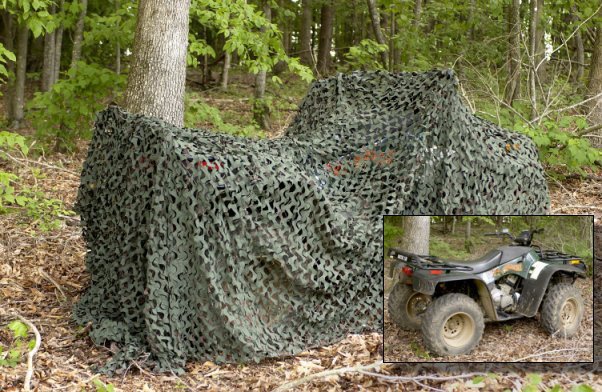
Choosing an outdoor shelter requires more thought than simply finding a tent with enough sleeping space. The right option should suit the type of trip, number of occupants, expected weather, transportation method, and length of stay. This becomes especially important when considering surplus or field-style shelters because they can differ considerably from modern recreational tents in size, materials, construction, and setup requirements.
For campers, hunters, outdoor enthusiasts, and anyone planning an extended stay outside, understanding the important features before making a purchase can prevent unnecessary problems later. Taking a few minutes to compare specifications and evaluate your requirements can help you select equipment that is practical, comfortable, and suitable for your intended environment.
Size should be one of the first things to consider. Think about how many people will sleep inside and how much equipment needs to be stored. A shelter that is too small can quickly become uncomfortable, especially during longer trips.
On the other hand, choosing a significantly larger model can increase transportation and setup requirements. Check the floor dimensions, interior height, sleeping capacity, and available living space before making a decision. Consider whether you need room only for sleeping or also want space for bags, clothing, and other camping equipment.
The materials used in a tent have a major influence on its durability and overall performance. Fabric type, stitching, poles, fasteners, and reinforcement points can all affect how well a shelter handles repeated outdoor use.
When comparing military tents, pay close attention to the construction details provided by the seller. Heavier fabrics may provide a more substantial shelter, while lighter materials can make transportation easier. Neither approach is automatically better; the ideal choice depends on how and where you intend to use the tent.
Surplus equipment may have been stored or previously used, so condition deserves special attention. Look carefully at product descriptions for information about wear, repairs, stains, missing components, or other imperfections.
If possible, verify that important parts such as poles, stakes, ropes, doors, and fasteners are included. A tent can appear affordable initially but become less practical if essential accessories need to be purchased separately.
Think about the environmental conditions you are likely to encounter. Rain, wind, cold temperatures, strong sunlight, and humidity can all affect your camping experience.
Review the shelter's construction and intended application before buying. Ventilation is also worth considering, particularly for warmer conditions. Proper airflow can reduce condensation and improve comfort inside the shelter. For colder environments, the ability to create a protected and enclosed interior may be more important.
A large shelter may offer excellent interior space, but transportation can become challenging. Consider the packed size and total weight rather than looking only at the dimensions when the tent is fully assembled.
If you frequently move between campsites, a compact shelter may be more convenient. If you usually drive directly to a campsite and remain there for several days, a heavier model may be perfectly practical. Match portability to your actual travel habits.
Some shelters can be assembled quickly, while others require multiple components and more preparation. Before buying, understand how the tent is assembled and whether special equipment or multiple people are needed.
It is a good idea to practice setup before taking the shelter on an important trip. This allows you to identify missing parts, understand the assembly process, and learn how the shelter should be positioned and secured.
A tent can last longer when it is properly maintained. After each trip, remove dirt and debris and allow the shelter to dry completely before packing it away. Storing a damp tent can contribute to mildew, odors, and fabric deterioration.
Keep the shelter in a clean, dry storage area and inspect it periodically. Check seams, closures, poles, and fabric for signs of damage. Addressing small issues early can help prevent more significant problems later.
When purchasing surplus outdoor equipment, the seller and product information are important. Coleman's Military Surplus offers military-surplus equipment for outdoor and camping applications.
Before placing an order, compare the available models and carefully review their specifications. Pay particular attention to dimensions, condition, materials, included accessories, and any limitations mentioned in the product description. This makes it easier to select a shelter that fits your specific needs.
Buying a tent should be based on how you plan to use it rather than appearance alone. Consider capacity, construction, condition, weather requirements, portability, setup, and maintenance before making your final choice.
Whether you are preparing for a weekend camping trip or planning a longer outdoor adventure, taking the time to evaluate these seven factors can help you find a shelter that works well for your situation. A thoughtful purchase can provide greater comfort, easier campsite management, and a more enjoyable experience outdoors.