English
 Arabic
 French
 Spanish
 Portuguese
 Deutsch
 Turkish
 Dutch
Dutch
 Italiano
 Russian
 Romaian
 Portuguese (Brazil)
 Greek
Greek
FYP Book Nothing Tastes as Good by Luke Dumas
Party |
2026-06-16 04:04:12
 Advertise With Us
 About Us
 Terms And Conditions
 Política de Privacidade
Ver Todos
Política de Privacidade
Ver Todos

Atualize para o Pro
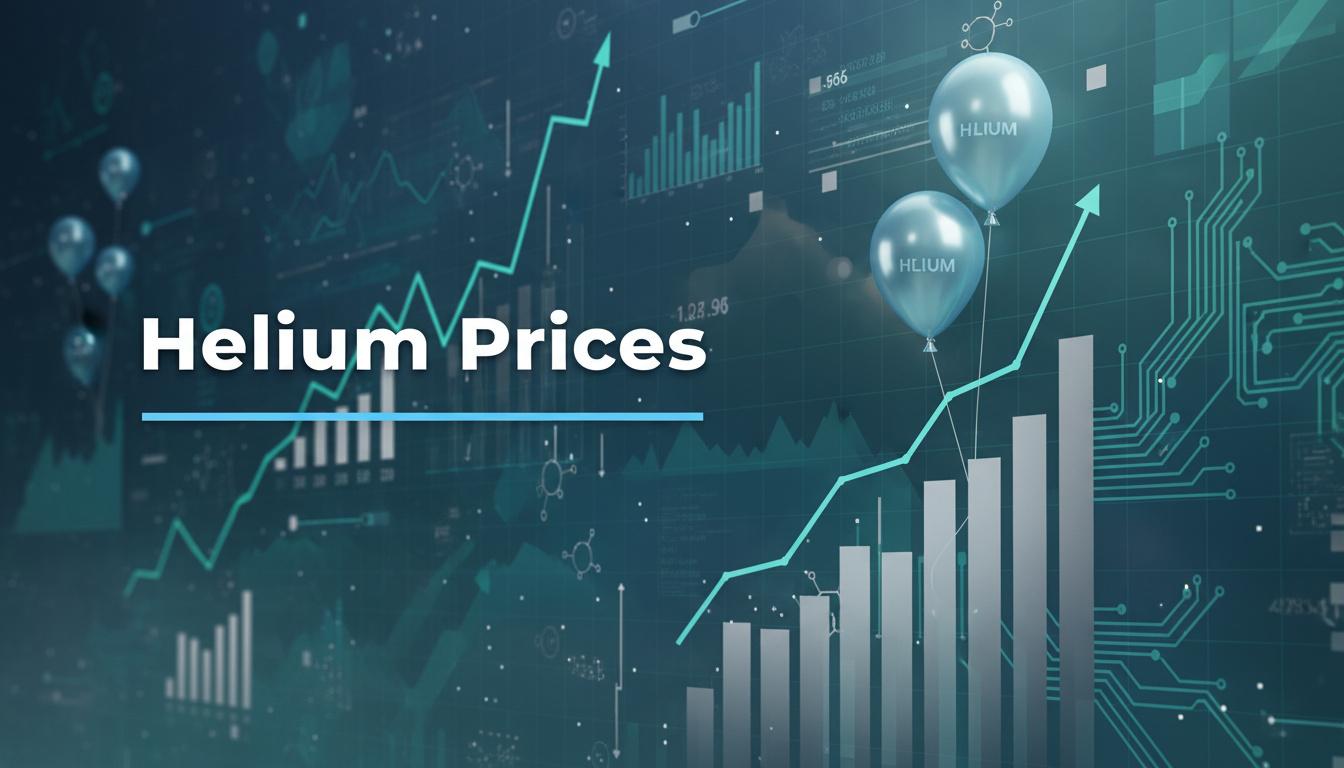
The Helium Price Index recorded a notable downward trend across major global markets in July 2026, with prices declining in Northeast Asia, North America, and Europe. The movement reflected improving supply availability, stabilizing extraction operations, smoother cryogenic logistics, and cautious procurement behavior among industrial buyers. Market participants increasingly favored shorter purchasing commitments as expectations of continued supply normalization reduced the urgency to build large inventories.
Demand remained comparatively resilient across healthcare, semiconductor manufacturing, aerospace, and industrial applications. However, steady consumption did not translate into stronger prices because improved availability and adequate inventory buffers outweighed demand-side support. The combination of normalized trade flows and disciplined purchasing created a buyer-favorable environment during the month.
Regional Helium Prices Outlook – July 2026: Where Are Prices Highest?
Northeast Asia recorded the highest helium price at USD 101.78/MC, maintaining a substantial premium over North America and Europe. Heavy import dependence, specialized cryogenic transportation requirements, and strong demand from semiconductor and electronics manufacturing contributed to the regional premium.
Europe recorded the lowest price at USD 39.94/MC, while North America stood at USD 50.84/MC. The lower pricing in these markets was supported by improved supply access, established distribution infrastructure, and comparatively stable inventory positions. Across all three regions, prices moved downward, although the sharper reduction in Northeast Asia reflected greater sensitivity to improving international shipment availability.
Regional Price Analysis of Helium Prices – July 2026
Northeast Asia
Northeast Asia reported helium prices at USD 101.78/MC, representing a 14.7% decline during July 2026. Improved supply flows from major global producers increased spot availability across key markets including Japan, South Korea, and China. Semiconductor fabrication and electronics manufacturing continued to provide baseline demand, but buyers remained cautious and avoided excessive inventory accumulation.
The region's higher price level continued to reflect import dependency and the additional cost associated with specialized cryogenic transportation. As shipping backlogs eased and delayed deliveries reached Asian hubs, procurement pressure moderated, allowing prices to move lower despite continued high-value applications.
North America
North American helium prices reached USD 50.84/MC, declining 9.7% during July. Greater operational stability at major extraction facilities and consistent feedgas processing supported domestic availability, reducing pressure on industrial gas distributors.
Healthcare applications, particularly helium consumption associated with MRI cooling systems, continued to provide stable demand. Aerospace and other specialized applications also remained supportive, although purchasing strategies increasingly emphasized short-term commitments as buyers sought to benefit from the softer market environment.
Europe
Europe recorded the lowest regional price at USD 39.94/MC, down 9.1% month-on-month. Improved import availability and more stable distribution networks helped reduce supply stress across major European industrial markets.
Lower regional shipping costs and adequate distributor inventories contributed to the downward adjustment. Industrial gas suppliers increasingly aligned selling prices with softer procurement costs, while stable healthcare and industrial consumption prevented a sharper deterioration in demand.
Supply and Demand Overview – July 2026
Helium supply conditions improved considerably during July 2026 as operational disruptions at key natural gas processing facilities subsided. More consistent extraction rates supported higher availability, while the completion of maintenance activities allowed export deliveries to move more efficiently across major trade routes.
Demand remained steady but disciplined across important downstream industries:
Improved availability of specialized cryogenic containers also reduced logistics-related premiums. At the same time, relatively high inventory buffers in important purchasing hubs discouraged aggressive restocking, reinforcing downward price momentum across international markets.
Key Factors Affecting Prices – Monthly Perspective
Several supply-side and demand-side factors shaped helium pricing during July 2026:
Recent Developments (July Highlights)
These developments contributed to greater market stability while reinforcing softer regional pricing structures during July. Improved supply reliability was particularly important in reducing the premium previously associated with tight availability and transportation constraints.
For detailed insights, charts, and forecasts, explore: https://www.imarcgroup.com/helium-pricing-report/requestsample
Helium Price Chart Analysis – Monthly Movement
The Helium Price Chart for July 2026 illustrates a consistent downward trajectory across the principal regional markets. Prices declined as supply conditions improved and buyers became increasingly comfortable delaying large purchases in anticipation of continued market normalization.
The monthly chart demonstrates how improving supply reliability translated into lower procurement costs across major markets. For industrial purchasers, the movement provided opportunities to reassess purchasing windows, negotiate shorter-term contracts, and limit exposure to elevated inventory costs.
Helium Price Index & Historical Analysis
The Helium Price Index shifted downward in July 2026, reflecting improved extraction reliability, normalized logistics, and more balanced international trade flows. The market moved toward a more buyer-favorable environment as supply constraints eased and distributors maintained sufficient inventory coverage.
During 2025, helium markets experienced periods of tighter availability and elevated premiums associated with supply disruptions, extraction constraints, and specialized transportation requirements. By mid-2026, improving extraction capacity and more predictable logistics supported gradual price rationalization across major consumption centers.
The historical price trajectory has been influenced by several structural factors:
Compared with earlier periods of supply tightness, July 2026 showed reduced volatility and more predictable distribution conditions. The downward movement therefore reflected not only weaker short-term pricing pressure but also broader normalization across the international helium supply chain.
What Is Helium?
Helium is a colorless, odorless, non-toxic, and chemically inert noble gas distinguished by its extremely low boiling point. Commercial helium is primarily recovered as a byproduct of natural gas processing and requires specialized purification, storage, and transportation systems because of its unique physical properties.
Key applications include:
Its limited natural availability and specialized handling requirements make helium strategically important for healthcare, high-technology manufacturing, aerospace, and other advanced industrial applications.
Helium Price Forecast – Next 12 Months
The helium price forecast for the next 12 months indicates a stable-to-softening market direction, provided extraction operations remain reliable and international logistics continue to normalize. Expanded supply infrastructure and disciplined downstream procurement are expected to prevent a rapid return to the elevated pricing conditions associated with earlier supply constraints.
Key growth drivers include:
Potential risks include:
Overall, helium prices are expected to remain balanced to moderately soft over the coming year. Seasonal maintenance at major extraction facilities may create temporary fluctuations, while sustained healthcare and semiconductor demand should provide a floor beneath the market.
FAQs About Helium Prices Insights & Market Analysis
What does the Helium Price Index indicate in July 2026?
The Helium Price Index indicates a controlled decline across major markets, supported by improved supply availability, stable extraction operations, smoother logistics, and disciplined purchasing behavior.
How does the Helium Price Chart help procurement managers?
The Helium Price Chart helps procurement managers track regional price movements and market direction, allowing them to identify favorable purchasing windows, assess regional disparities, and negotiate more competitive supply agreements.
What is the helium price forecast for the next 12 months?
Helium prices are expected to remain stable to moderately soft, supported by improving supply reliability and consistent demand from healthcare, semiconductor, aerospace, and other high-technology industries. Supply disruptions and transportation constraints remain the principal upside risks.
How IMARC Pricing Database Can Help
The latest IMARC Group study, "Helium Prices, Trend, Chart, Demand, Market Analysis, News, Historical and Forecast Data 2026 Edition," provides detailed analysis of helium price trends and global market dynamics. The study covers pricing movements, historical trends, regional developments, demand conditions, and factors influencing the evolution of helium prices.
The analysis examines key pricing influences including raw material availability, production conditions, logistics, downstream consumption, and broader market dynamics. It also evaluates the relationship between supply and demand to help businesses understand current pricing conditions and anticipate potential changes in procurement costs.
About Us:
IMARC Group is a global management consulting firm providing a comprehensive range of services to support market entry, expansion, and strategic decision-making. Its services include market assessments, feasibility studies, regulatory approvals and licensing support, pricing analysis, spot pricing, regional price trends, demand-supply analysis, and competitive landscape evaluations.
IMARC Group provides regional insights across Asia-Pacific, Europe, North America, Latin America, and the Middle East and Africa. Its data-driven approach helps businesses evaluate market drivers, restraints, opportunities, competitive dynamics, and changing procurement conditions with greater clarity.
Contact us:
IMARC Group
134 N 4th St. Brooklyn, NY 11249, USA
Email: sales@imarcgroup.com
Tel No: (D) +91 120 433 0800
United States: +1-201971-6302