English
 Arabic
 French
 Spanish
 Portuguese
 Deutsch
 Turkish
 Dutch
Dutch
 Italiano
 Russian
 Romaian
 Portuguese (Brazil)
 Greek
Greek
How an Edmonton Survey Company Helps Identify Site Constraints Before Development
Other |
2026-08-17 13:10:22
 Advertise With Us
 About Us
 Terms And Conditions
 Πολιτική Ιδιωτικότητας
δες τα όλα
Πολιτική Ιδιωτικότητας
δες τα όλα

Upgrade to Pro
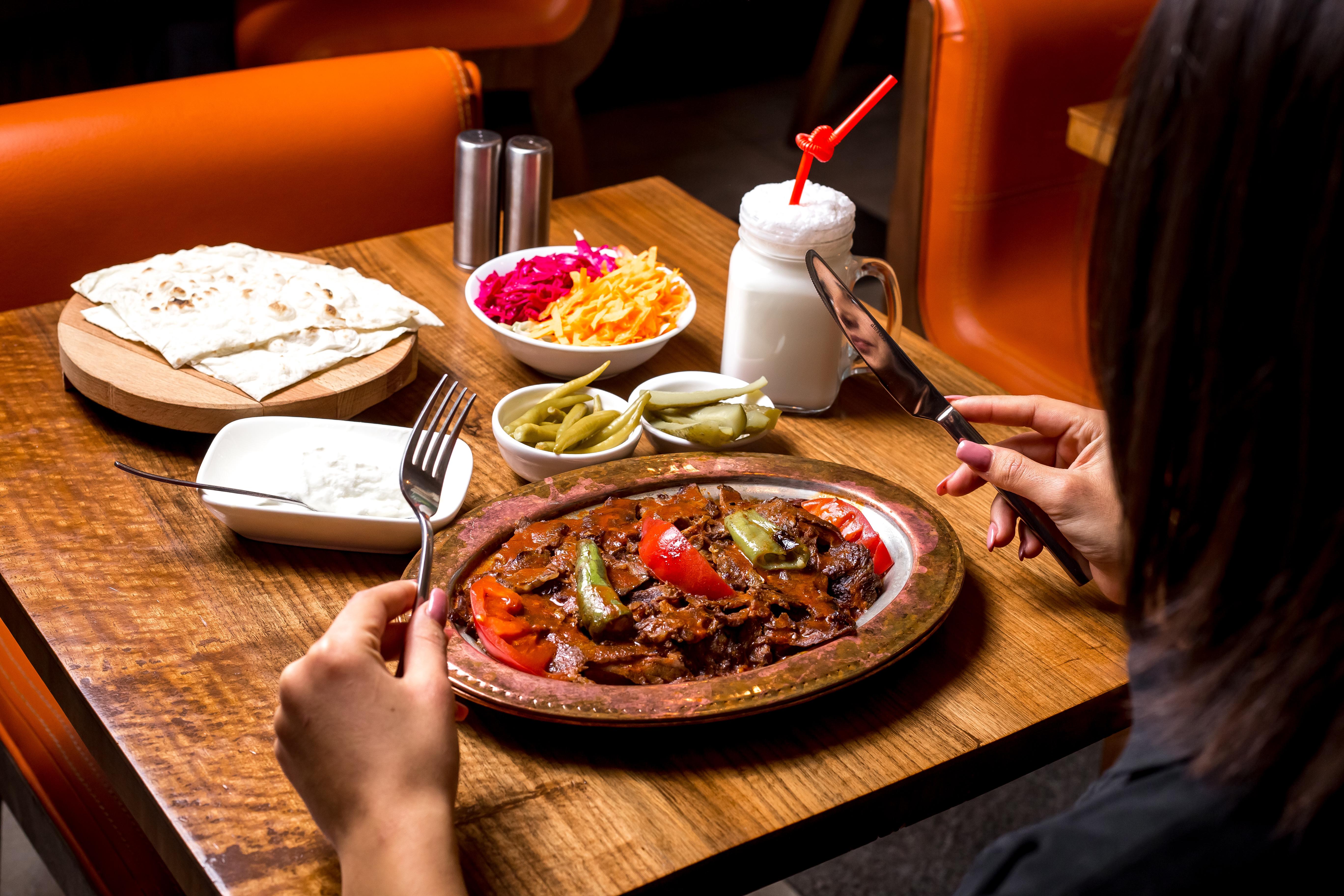
Dubai is a city where cultures meet around the dining table. Among the many culinary traditions that have found a natural home here, Lebanese cuisine holds a special place. Its appeal lies not only in familiar ingredients or beautifully presented dishes, but also in the stories, memories, and family traditions carried through every recipe. From a grandmother’s carefully prepared mezze to contemporary interpretations served in sophisticated dining spaces, Lebanese food continues to evolve while remaining connected to its roots.
The attraction of this cuisine comes from its remarkable balance. Fresh vegetables, aromatic herbs, grains, legumes, grilled meats, olive oil, and carefully selected spices create dishes that can feel comforting, refreshing, and deeply satisfying at the same time. In Dubai, this culinary heritage has become part of everyday dining as well as special occasions, bringing together residents and visitors who appreciate authentic flavours with a modern touch.
Lebanese cooking begins at home. For generations, recipes have been passed from parents to children, often without precise measurements. A pinch of spice, the right texture of dough, the freshness of herbs, or the amount of lemon juice may be judged through experience rather than written instructions. This personal approach gives traditional dishes their distinctive character.
Family gatherings have always played an important role in preserving this food culture. Large tables filled with small plates encourage people to share rather than simply order individual meals. Hummus, tabbouleh, baba ghanoush, stuffed vine leaves, kibbeh, and freshly baked breads can appear together, creating a colourful spread where every preparation has its own identity.
The importance of hospitality also shapes the Lebanese dining experience. Food is frequently offered generously, with guests encouraged to try another dish even after they have finished their meal. This spirit makes Lebanese cuisine particularly suitable for Dubai’s diverse population, where dining is often connected with socialising, celebrations, and bringing people together.
Traditional cooking also demonstrates how simple ingredients can create extraordinary results. Lentils can become a richly flavoured soup, chickpeas can be transformed into creamy hummus, and fresh parsley can form the foundation of a bright salad. The emphasis is not necessarily on elaborate ingredients but on freshness, balance, technique, and patience.
Dubai’s dining culture has developed rapidly, and Lebanese food has evolved alongside it. While traditional preparations remain highly valued, modern restaurants increasingly explore new presentation styles, refined interiors, creative combinations, and contemporary serving methods. The result is a dining scene where heritage and innovation can comfortably exist on the same table.
For diners searching for the top Lebanese restaurants in Dubai, the experience is no longer limited to finding familiar dishes. Many people now consider atmosphere, ingredient quality, service, presentation, and the overall character of a meal when choosing where to dine. This has encouraged Lebanese cuisine to adapt without abandoning the foundations that made it popular in the first place.
Modern interpretations can include beautifully arranged mezze, carefully grilled proteins, updated versions of classic pastries, and dishes designed for contemporary sharing. Some kitchens may experiment with texture or presentation while retaining recognizable flavours. Such creativity allows traditional recipes to appeal to younger diners who enjoy discovering heritage through a more current culinary language.
Dubai’s international audience has also encouraged greater awareness of regional distinctions. Lebanese cuisine is sometimes broadly grouped under Middle Eastern food, yet its preparations have their own techniques, combinations, and cultural significance. A well-prepared dish can introduce diners to these differences naturally, allowing them to understand the cuisine through taste rather than explanation.
The city’s multicultural environment further strengthens this evolution. Diners from different backgrounds bring their own expectations and preferences, creating opportunities for Lebanese cooking to become more versatile. Whether someone is familiar with the cuisine from childhood or tasting it for the first time, there is usually a wide range of flavours to explore.
No exploration of Lebanese food would be complete without considering its desserts. Lebanese sweets have developed a reputation for their delicate textures, aromatic ingredients, and intricate preparation. Nuts, semolina, dates, cheese, rose water, orange blossom, and syrup frequently appear in different combinations, producing desserts that are both visually appealing and rich in cultural character.
The phrase Lebanese sweets Dubai reflects more than a dessert category; it represents a tradition that has become part of the city’s broader food culture. Baklava varieties, maamoul, knafeh, and other regional specialties are enjoyed after meals, during celebrations, as gifts, or simply with coffee. Their presence demonstrates how food traditions can travel successfully while still retaining their original identity.
One of the most fascinating aspects of these desserts is the craftsmanship involved. Layers need to be handled carefully, fillings must achieve the right consistency, and sweetness has to complement rather than overwhelm the other ingredients. Decorative details also matter, particularly when sweets are prepared for weddings, festivals, family gatherings, and hospitality.
Coffee and sweets often create their own social ritual. A small serving can extend a conversation after dinner, welcome a guest into a home, or mark an important occasion. In Dubai, where dining frequently blends casual meetings with celebrations, this tradition fits naturally into the rhythm of modern life.
Desserts also reveal the versatility of Lebanese culinary heritage. Some are crisp and delicate, while others are soft, creamy, or syrupy. Some highlight nuts and spices, while others depend on cheese, grains, or fragrant floral waters. Together, they demonstrate that Lebanese cuisine is not defined by a single flavour profile.
Modern presentation may change how food looks, but authenticity remains important. Diners increasingly want to understand where their meals come from and what makes a traditional recipe meaningful. This interest has encouraged restaurants and home cooks alike to preserve established methods while finding practical ways to introduce them to contemporary audiences.
Authenticity does not necessarily mean refusing innovation. Instead, it can mean understanding the original character of a dish before adapting it. A chef may present a familiar preparation differently, but the essential balance of flavours can remain recognizable. This approach allows culinary heritage to develop naturally rather than becoming frozen in the past.
Ingredients play a major role in maintaining that connection. Fresh herbs, quality olive oil, properly prepared grains, aromatic spices, and carefully selected produce can influence the final result significantly. Even a simple salad can become memorable when its ingredients are fresh and its seasoning is balanced.
The same principle applies to cooking techniques. Grilling, baking, slow cooking, stuffing, and careful preparation of mezze all require knowledge that has developed over generations. When these methods are respected, modern dining can become a continuation of tradition rather than a replacement for it.
For diners, this creates an opportunity to experience Lebanese cuisine on several levels. A meal can be enjoyable because of its taste, but it can also offer insight into family customs, regional ingredients, hospitality, and cultural history.
Lebanese food in Dubai represents a fascinating connection between generations. Older diners may recognize flavours associated with childhood, family gatherings, or celebrations, while younger people may discover those same traditions through contemporary restaurants and modern presentations.
This connection is especially meaningful because recipes often carry memories. The aroma of freshly baked bread, the taste of a particular spice blend, or the texture of a familiar dessert can evoke places and people long after the meal is finished. Food therefore becomes more than nourishment; it becomes a way of preserving identity and memory.
At the same time, Dubai provides an environment where these traditions can reach new audiences. A dish that once belonged primarily to a particular household or community can now become part of someone else’s culinary discovery. The exchange works both ways: heritage is preserved, while new appreciation gives traditional cuisine another generation of admirers.
Lebanese cuisine also demonstrates that food does not need to choose between the past and the present. Family recipes can inspire contemporary menus, traditional desserts can become part of modern celebrations, and familiar ingredients can be introduced through creative culinary concepts.
The continued popularity of Lebanese dining in Dubai reflects this ability to adapt. The cuisine remains recognizable because its foundations are strong, yet it continues to feel relevant because chefs, families, and diners keep finding new ways to experience it.
Lebanese cuisine has earned its place in Dubai not simply because it offers delicious meals, but because it creates experiences built around generosity, freshness, craftsmanship, and connection. Its dishes tell stories of family kitchens, shared tables, regional traditions, and generations of culinary knowledge.
From a plate of mezze shared among friends to a carefully prepared dessert enjoyed with coffee, each element contributes to a broader dining experience. The movement from family recipes to modern tables shows how a culinary tradition can travel, adapt, and flourish without losing its soul.
Dubai’s food scene will continue to change, but the appeal of Lebanese flavours is likely to remain strong. Their versatility suits casual lunches, elegant dinners, family gatherings, celebrations, and everyday cravings. Most importantly, the cuisine offers something increasingly valuable in a fast-moving city: an opportunity to slow down, share food, appreciate craftsmanship, and connect with a tradition that has travelled far beyond its original kitchen.
In that sense, Lebanese food in Dubai is not simply a reflection of the past. It is a living culinary story, continually shaped by new generations while remaining rooted in the warmth of the family table.