English
 Arabic
 French
 Spanish
 Portuguese
 Deutsch
 Turkish
 Dutch
Dutch
 Italiano
 Russian
 Romaian
 Portuguese (Brazil)
 Greek
Greek
لماذا تختلف أسعار تجميل الأنف في دبي من عيادة إلى أخرى؟
Health |
2026-07-02 09:43:38
 Advertise With Us
 About Us
 Terms And Conditions
 Politique de confidentialité
Tout voir
Politique de confidentialité
Tout voir

Mise à niveau vers Pro
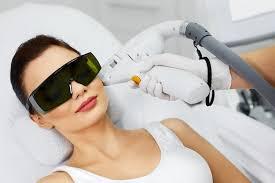
Beautiful skin is not always about having a completely flawless complexion. Healthy-looking skin is usually about a balanced tone, smoother texture, and a refreshed appearance. However, acne scars, sun exposure, pigmentation, fine lines, enlarged pores, and natural aging can gradually change the way the skin looks.
Laser Skin Resurfacing in Dubai is a popular aesthetic treatment designed to improve several of these concerns by encouraging controlled skin renewal. Laser technology can target selected layers of the skin, helping improve its overall appearance and supporting collagen remodeling.
With different laser technologies available, treatment can be customized according to individual skin concerns, skin type, and recovery preferences. Understanding the procedure, potential benefits, and aftercare can help you make a more informed decision.
Laser skin resurfacing is a cosmetic procedure that uses focused laser energy to improve the appearance of the skin. Depending on the technology used, the laser may remove damaged outer skin cells or stimulate deeper layers without significant removal of the surface.
The treatment can be used on areas such as the:
The exact treatment area depends on the patient's concerns and the selected laser technology.
Laser resurfacing works by delivering controlled energy to the targeted skin. This creates a carefully managed response that encourages the skin's natural renewal process.
Some laser treatments primarily affect the surface, while others reach deeper layers and stimulate collagen remodeling. As the skin heals and renews itself, it may gradually appear smoother and more even.
The treatment can be divided broadly into two categories.
Ablative lasers remove or vaporize targeted outer layers of damaged skin. This can provide more noticeable resurfacing but generally involves a longer recovery period.
It may be considered for more pronounced wrinkles, certain acne scars, and significant skin texture concerns.
Non-ablative lasers work beneath the surface of the skin without removing as much of the outer layer. They are generally associated with less downtime and gradual improvements.
The best approach depends on the condition of your skin and the results you want to achieve.
One of the main advantages of Laser Skin Resurfacing in Dubai is its versatility. It can address several concerns that may appear together.
Uneven texture can make the complexion appear dull or rough. Laser resurfacing may help create a smoother-looking surface by encouraging skin renewal.
Fine lines are often associated with reduced collagen production and cumulative environmental damage. Certain resurfacing treatments can support collagen remodeling and soften the appearance of early lines.
Acne scars can remain long after active acne has disappeared. Selected laser treatments may improve the appearance of certain depressed or uneven scars by stimulating remodeling within the skin.
Sun exposure and other forms of skin damage can contribute to uneven pigmentation. A suitable laser treatment may help improve the appearance of some pigmentation concerns.
Some people choose resurfacing to make enlarged pores appear less noticeable. Improved skin texture can contribute to a more refined-looking complexion.
By targeting signs of environmental and age-related skin changes, resurfacing can help the complexion look fresher and more youthful.
Laser resurfacing may be suitable for adults who want to improve visible skin concerns such as:
However, not everyone is an ideal candidate for every laser.
Skin type, pigmentation, active skin conditions, previous treatments, healing history, medications, and personal expectations should all be considered before treatment.
A professional assessment can help determine whether resurfacing is appropriate and which technology may be most suitable.
Before the procedure, the skin is assessed and your concerns are discussed. This allows the treatment approach to be adjusted according to your needs.
The treatment area is cleaned, and protective measures are taken. Depending on the laser and treatment intensity, a topical numbing product or another comfort measure may be used.
The laser device is then applied to the selected areas. You may feel warmth, tingling, or a snapping sensation during some treatments.
Treatment time varies depending on the size of the area and the type of laser being used.
The level of discomfort varies according to the laser, treatment intensity, and individual sensitivity.
Some patients describe a warming or tingling sensation, while stronger treatments may feel more intense. Comfort measures can be used when appropriate.
After treatment, the skin may feel warm or sensitive for a short period. Following the recommended aftercare routine can help make the recovery more comfortable.
The recovery experience depends on the type of laser resurfacing performed.
Mild treatments may cause temporary redness, sensitivity, dryness, or slight swelling. More intensive resurfacing can cause peeling, crusting, or more noticeable redness.
As the skin heals, it gradually begins to look smoother and more refreshed.
It is important not to judge the final result immediately after treatment because the skin needs time to recover and remodel.
Proper aftercare is an important part of the treatment process. Your provider may give specific instructions based on the laser used.
Sun protection is particularly important after resurfacing. Newly treated skin can be more sensitive to sunlight, and excessive exposure may increase the risk of pigmentation changes.
Use a suitable broad-spectrum sunscreen and follow professional advice about sun exposure.
Immediately after treatment, avoid unnecessary irritation. A gentle cleanser and recommended moisturizer may be preferable while the skin is recovering.
If the skin becomes flaky or starts peeling, allow it to shed naturally. Picking at treated skin can interfere with healing and increase the risk of complications.
Some skincare ingredients can be irritating after resurfacing. Use only the products recommended or approved for your recovery stage.
If multiple sessions are recommended, attend follow-up appointments as advised. This allows progress to be assessed and the treatment plan adjusted if necessary.
There is no single recovery period for all laser resurfacing treatments.
Light resurfacing may involve minimal downtime, while stronger ablative treatments can require significantly more recovery time.
The duration may depend on:
Your provider should explain the expected recovery period before treatment.
Some improvements may become noticeable as the initial redness and swelling settle. However, deeper improvements can develop gradually.
Collagen remodeling and skin renewal take time. Depending on the treatment, results may continue developing for weeks or months.
Some individuals may need multiple sessions to achieve their desired improvement, particularly when treating acne scars, pigmentation, or significant texture concerns.
Like other cosmetic procedures, laser resurfacing has potential risks. Temporary redness, swelling, sensitivity, dryness, peeling, and pigmentation changes can occur.
Depending on the treatment and individual circumstances, less common complications may include infection, scarring, prolonged discoloration, or delayed healing.
People with darker skin tones may require particularly careful treatment planning because some laser procedures can increase the risk of post-inflammatory pigmentation changes.
A proper consultation is therefore important before choosing a treatment.
Preparation instructions vary according to the selected procedure. You may be advised to avoid excessive sun exposure and certain irritating skincare treatments before your appointment.
Tell your provider about:
Providing complete information helps the professional create a safer and more suitable treatment plan.
Dubai has become a popular destination for people seeking modern aesthetic and skin rejuvenation treatments. Laser Skin Resurfacing in Dubai offers options for individuals with different skin concerns, from uneven texture and acne scars to fine lines and sun-related changes.
The key is not simply choosing a laser treatment but finding an approach that is appropriate for your skin. A customized assessment can help identify the right technology, treatment intensity, and aftercare plan.
At Tajmeels Clinic, patients can explore personalized options for improving skin texture and achieving a more refreshed-looking complexion.
Not every laser is appropriate for every skin type. Treatment should be selected after evaluating your skin tone, condition, pigmentation risk, and individual concerns.
Laser resurfacing can improve the appearance of certain acne scars, but complete removal cannot be guaranteed. Results depend on the type, depth, and severity of the scars.
Some patients may benefit from one session, while others may need a series of treatments. The recommended number depends on the skin concern and selected laser.
This depends on the treatment intensity. Some lighter procedures have little downtime, while stronger resurfacing treatments may require several days or longer for visible recovery.
Yes. Proper sun protection, gentle skincare, and following professional instructions are important for supporting healing and reducing the risk of complications.
Laser Skin Resurfacing in Dubai can be a valuable option for people who want to improve the appearance of fine lines, acne scars, uneven texture, pigmentation, and other visible signs of skin damage. Because different laser technologies offer different levels of intensity and recovery, treatment should always be personalized to the individual's skin and goals.
The best results come from realistic expectations, appropriate treatment selection, professional guidance, and consistent aftercare. If you are exploring skin rejuvenation options, Tajmeels Clinic can provide a starting point for discussing your concerns and learning whether laser resurfacing is suitable for you.