English
 Arabic
 French
 Spanish
 Portuguese
 Deutsch
 Turkish
 Dutch
Dutch
 Italiano
 Russian
 Romaian
 Portuguese (Brazil)
 Greek
Greek
Home Fertility Injections in Dubai: Making Fertility Treatment More Comfortable at Home
Health |
2026-07-29 09:54:19
 Advertise With Us
 About Us
 Terms And Conditions
 Politique de confidentialité
Tout voir
Politique de confidentialité
Tout voir

Mise à niveau vers Pro
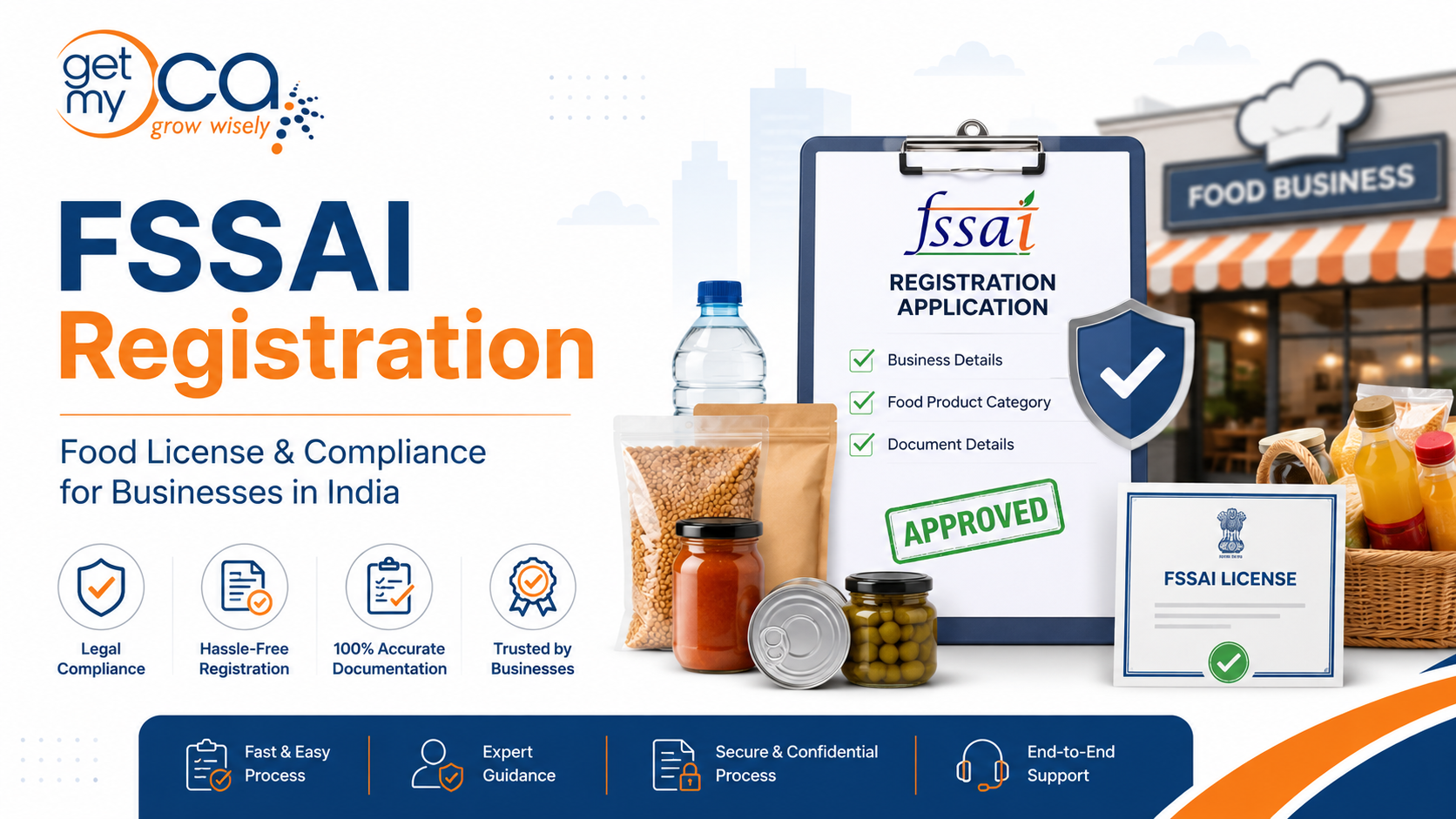
Food businesses in India must follow certain regulatory requirements to maintain food safety and operate within the applicable legal framework. One of the key requirements for many food businesses is obtaining the appropriate registration or license from the Food Safety and Standards Authority of India.
Understanding FSSAI Registration in India can help food business operators identify the type of registration or license that may apply to their activities.
FSSAI registration is part of the food safety compliance framework applicable to food business operators in India. The requirement can apply to businesses involved in manufacturing, processing, storage, distribution, transportation, retailing, and sale of food products.
The appropriate registration or license category generally depends on factors such as the type of business activity, turnover, production capacity, and operational structure.
Food businesses may fall under different categories depending on their scale and activity.
Businesses should evaluate their operations carefully before selecting the appropriate category.
Food safety regulations are intended to maintain standards relating to food quality, hygiene, processing, storage, and distribution. Proper compliance also helps businesses maintain accurate regulatory records.
Food business operators should ensure that the information provided during registration remains accurate and that relevant registrations or licenses are renewed within the applicable period.
The documents required may vary according to the nature of the business and the selected registration or license category. Common requirements can include:
Applicants should check the applicable requirements before submitting their registration application.
Businesses involved in manufacturing often have to manage several regulatory areas simultaneously. Apart from licenses relating to their specific industry, manufacturers may also need to consider taxation, labour regulations, environmental requirements, and state-level industrial policies.
For manufacturers planning or expanding operations in Haryana, understanding the Make in Haryana Industrial Policy 2026 can also be relevant while reviewing the broader industrial and investment environment of the state.
Different registrations and government policies serve different purposes, so businesses should assess each requirement separately based on their operations and location.
Obtaining an FSSAI registration or license is only one part of ongoing compliance. Food businesses should also maintain proper records, follow applicable hygiene and food safety standards, display required information where applicable, and update registration details when relevant changes occur.
Regular compliance reviews can help businesses identify whether changes in turnover, production capacity, premises, or business activity require an update to their existing registration or license.
FSSAI registration is an important regulatory consideration for food businesses operating in India. Businesses should understand their activity, operational scale, documentation requirements, and applicable license category before proceeding with registration.
At the same time, businesses involved in manufacturing should also stay informed about other relevant regulatory requirements and state-level industrial policies that may affect their operations.