English
 Arabic
 French
 Spanish
 Portuguese
 Deutsch
 Turkish
 Dutch
Dutch
 Italiano
 Russian
 Romaian
 Portuguese (Brazil)
 Greek
Greek
Butyric Acid Derivative Market Size, Analysis, Demand, Key Companies, and Forecast To 2032
Fitness |
2026-04-13 10:52:26
 Advertise With Us
 About Us
 Terms And Conditions
 Datenschutzbestimmungen
Alle anzeigen
Datenschutzbestimmungen
Alle anzeigen

Upgrade auf Pro
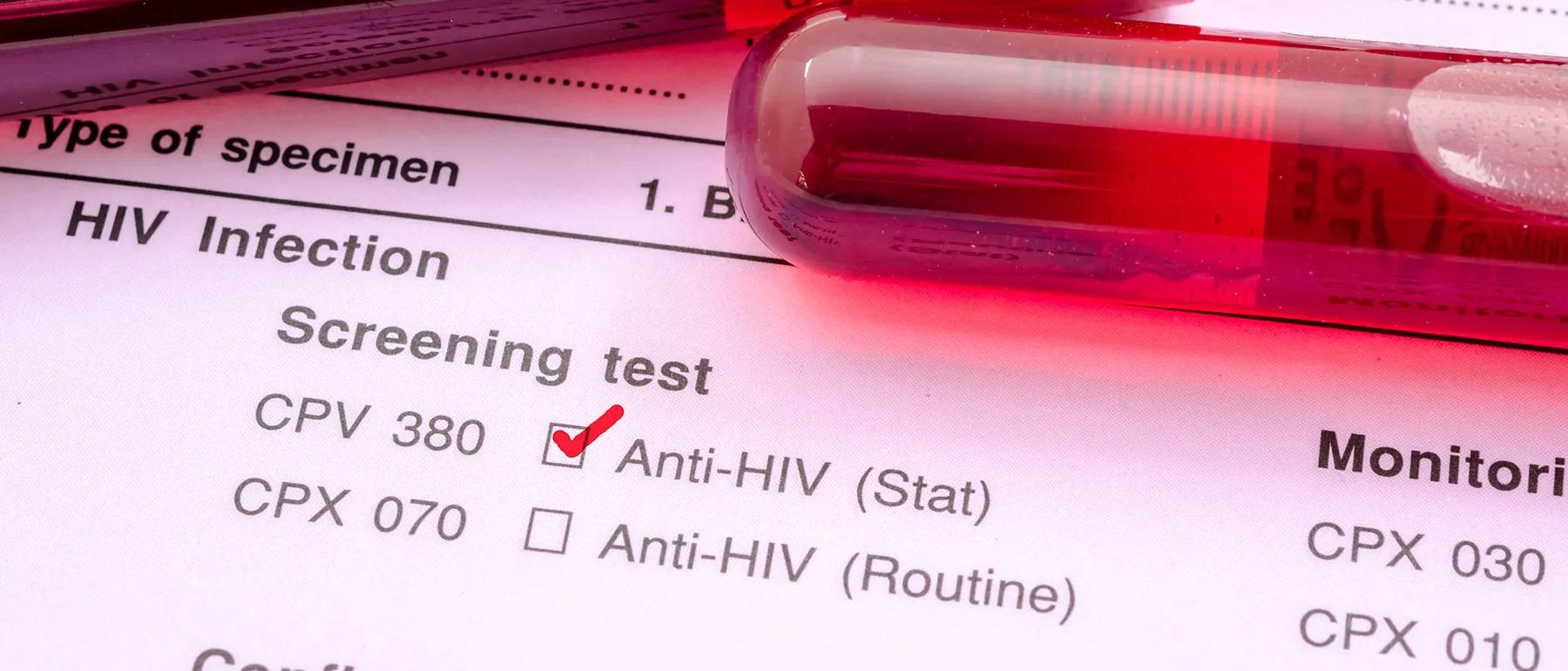
A reactive HIV test result means that the initial screening test detected a marker that may be associated with HIV infection. If you receive a reactive result from an HIV Test in Dubai, it is important to understand that this does not automatically mean you have HIV.
Screening tests are designed to identify results that require further evaluation. Additional confirmatory testing is normally needed before a final diagnosis can be established.
HIV screening provides an initial way to check whether evidence of infection is present. Modern tests may look for HIV antibodies, the p24 antigen, or viral genetic material depending on the testing method.
Screening helps identify people who may need additional testing and professional evaluation.
An STD Test in Dubai may involve several separate tests because different sexually transmitted infections require different testing methods. A reactive HIV screening result relates specifically to HIV and does not automatically confirm or rule out other STIs.
If you have concerns about a possible exposure, a healthcare professional can recommend appropriate follow-up screening.
Not necessarily. A reactive screening result is considered a preliminary finding and requires further evaluation.
Confirmatory testing helps determine whether HIV infection is actually present. Until this testing is completed, it is not appropriate to treat a reactive screening result as a final diagnosis.
After a reactive screening result, a healthcare professional will generally recommend additional testing to confirm or clarify the finding. The specific follow-up process can depend on the original test and the testing facility's procedures.
Following the recommended testing pathway is important for obtaining an accurate final result.
Screening tests are designed to be sensitive so that potential infections are not easily missed. In some cases, a screening test can react to something that is not HIV infection.
This is one reason confirmatory testing is an essential part of the diagnostic process.
Confirmatory testing uses additional laboratory methods to determine whether the initial reactive result represents an actual HIV infection.
A healthcare professional can explain which follow-up tests are appropriate and what each result means.
Yes. A reactive screening result does not always indicate HIV infection. False-reactive results can occur, which is why a preliminary screening result should not be considered a final diagnosis.
Confirmatory testing helps distinguish a true infection from a screening result that does not represent HIV infection.
If follow-up testing confirms HIV infection, a healthcare professional can discuss the diagnosis, available treatment, ongoing monitoring, and support options.
Modern HIV treatment can effectively control the virus, and people who receive appropriate care can maintain their health and quality of life.
If your reactive result follows a recent possible exposure, tell the healthcare professional when the exposure occurred. Timing can help them understand the testing history and determine whether additional testing is needed.
If you have not yet been tested and believe a recent exposure may have occurred, seek medical advice promptly because some post-exposure prevention options are time-sensitive.
A reactive HIV screening result is not the same as a confirmed HIV diagnosis. If you receive a reactive result from an HIV Test in Dubai, the most important next step is to complete the recommended confirmatory testing and discuss the findings with a qualified healthcare professional.