English
 Arabic
 French
 Spanish
 Portuguese
 Deutsch
 Turkish
 Dutch
Dutch
 Italiano
 Russian
 Romaian
 Portuguese (Brazil)
 Greek
Greek
Erbium Peeling in Dubai vs. Chemical Peels
Health |
2026-04-13 08:32:16
 Advertise With Us
 About Us
 Terms And Conditions
 سياسة الخصوصية
عرض كل النتائج
سياسة الخصوصية
عرض كل النتائج

ترقية الحساب
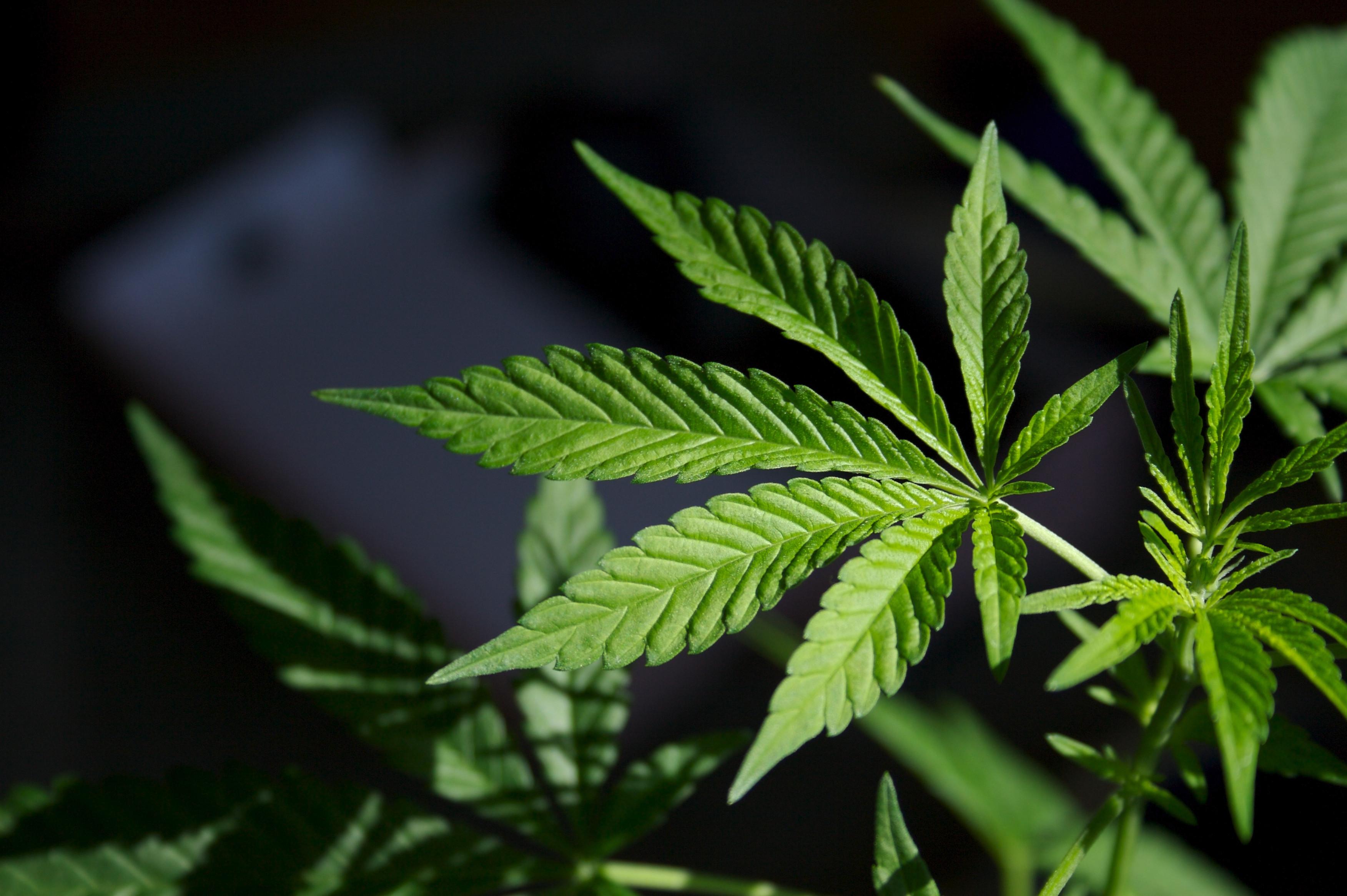
Some women report that medicinal marijuana helps ease menopause symptoms like hot flashes, sleep disruption, and mood/anxiety, and survey research shows a growing number of women are already using it for exactly this reason. However, clinical evidence remains limited, and leading menopause specialists caution that more rigorous research is needed before it can be broadly recommended. For women considering it, the most responsible approach is an open conversation with a healthcare provider rather than self-directed use.
Ask a handful of women in their late 40s or 50s what their worst symptom is, and you'll get wildly different answers. For one, it's the hot flashes that hit mid-meeting with zero warning. For another, it's the 3 a.m. wake-ups that never used to happen. For someone else, it's a kind of irritability that feels foreign, like their emotional baseline shifted overnight without their permission. It's no surprise, then, that so many women have started quietly experimenting with cannabis to manage these symptoms, often without mentioning it to their doctor at all. Recent survey research backs this up, showing that a large percentage of women using medical cannabis during perimenopause and postmenopause are doing so specifically for sleep and mood-related symptoms, not recreational use.
Menopause involves a significant hormonal shift, primarily declining estrogen, that affects far more than reproductive function. Estrogen plays a role in regulating the body's endocannabinoid system, which may explain why some women notice cannabis affecting their symptoms during this transition specifically.
Survey data consistently shows that sleep disturbance and mood or anxiety symptoms are the top reasons women use medical cannabis during menopause, with hot flashes and other vasomotor symptoms also frequently cited.
Current research suggests a meaningful percentage of midlife women are already using cannabis for menopause-related symptoms, and many report it helpful. That said, most available research is observational, based on self-reported surveys, rather than controlled clinical trials, which limits how confidently providers can recommend it.
It's important to separate what's promising from what's proven when it comes to cannabis and menopause.
Medical societies focused on menopause care have been clear that while cannabis use is common, robust clinical trials confirming its safety and effectiveness for menopause symptoms specifically are still lacking. Much of what's known comes from self-reported patterns rather than controlled studies.
Some research has found associations between heavier or disordered cannabis use and worse mood symptoms, including anxiety and depression, during menopause. This doesn't necessarily mean cannabis causes these symptoms; it may reflect women self-medicating already difficult, untreated symptoms. Either way, it underscores why professional guidance matters before starting use.
Different menopause symptoms may respond differently to cannabis, and not all forms or methods of use affect the body the same way.
Some researchers believe THC may interact with receptors in the hypothalamus, the brain region responsible for temperature regulation, which could explain reports of reduced hot flash intensity in some users, though this mechanism is still being studied.
Many women report using cannabis specifically to fall asleep faster or stay asleep longer during menopause, along with easing anxiety or irritability. These effects vary significantly from person to person and depend heavily on dosage, strain, and method of use.
Menopause isn't just physical. The emotional and psychological shifts that come with this transition often benefit from additional support beyond any single treatment.
For women experiencing the emotional volatility and identity shifts that often accompany menopause, Expressive Art Therapy offers a creative outlet that talk therapy alone doesn't always provide. Expressive Art Therapy allows women to process feelings about aging, body changes, and shifting roles through painting, movement, or other creative mediums, especially when those feelings are hard to name directly. Many women find that Expressive Art Therapy helps them reconnect with a sense of identity during a life stage that can otherwise feel disorienting. Whether or not cannabis is part of someone's symptom management plan, Expressive Art Therapy can be a valuable complement for processing the broader emotional experience of menopause.
Hormonal shifts during menopause can also affect appetite, body image, and relationship with food, sometimes reactivating disordered eating patterns from earlier in life, which is where Eating Disorder Group Therapy can become relevant. Eating Disorder Group Therapy gives women a peer-supported space to process body changes and eating patterns specific to this life stage, something that's often overlooked in general menopause care. A provider working with a woman on menopause symptom management may recommend Eating Disorder Group Therapy if body image distress or disordered eating patterns emerge alongside other symptoms. Bringing Eating Disorder Group Therapy into the conversation ensures the full emotional picture of menopause, not just the physical symptoms, gets addressed.
Given the mix of promising anecdotal reports and limited clinical evidence, an open conversation with a healthcare provider is the safest starting point.
What symptoms are you hoping cannabis will help with? Are you currently on any medications that could interact with it? Is a low-THC or CBD-focused option more appropriate for your goals? A provider can help tailor an approach based on your specific health history.
Medicinal marijuana may offer real relief for some menopause symptoms, particularly sleep and mood-related ones, but the research is still catching up to what many women are already experiencing firsthand. Practices like Massachusetts Mind Center approach menopause-related symptom management holistically, considering medication options, emotional support, and therapeutic approaches together rather than treating any single option as a complete solution.
1. Is medicinal marijuana legal to use for menopause symptoms?
Legality depends on state law and whether a patient has a qualifying medical marijuana certification. It's important to check local regulations and speak with a licensed provider.
2. Is CBD a safer alternative to THC for menopause symptoms?
Some experts suggest CBD may carry a lower risk profile since it's non-psychoactive, though research on its specific effectiveness for menopause symptoms is still limited.
3. Can cannabis interact with other menopause treatments like hormone therapy?
Potential interactions should always be discussed with a provider, since cannabis can affect how other medications are metabolized or tolerated.
4. Does cannabis help with all menopause symptoms equally?
No. Most reported benefits center on sleep, mood, anxiety, and hot flashes, while evidence for other symptoms remains far more limited.
5. Should I tell my doctor if I'm already using cannabis for menopause symptoms?
Yes. Being open with your provider allows for safer, more informed guidance and helps rule out interactions with other treatments you may be using.