English
 Arabic
 French
 Spanish
 Portuguese
 Deutsch
 Turkish
 Dutch
Dutch
 Italiano
 Russian
 Romaian
 Portuguese (Brazil)
 Greek
Greek
International Law Firm in Dubai: Trusted Legal Expertise for Cross-Border Success
Other |
2026-07-22 05:37:04
 Advertise With Us
 About Us
 Terms And Conditions
 Datenschutzbestimmungen
Alle anzeigen
Datenschutzbestimmungen
Alle anzeigen

Upgrade auf Pro
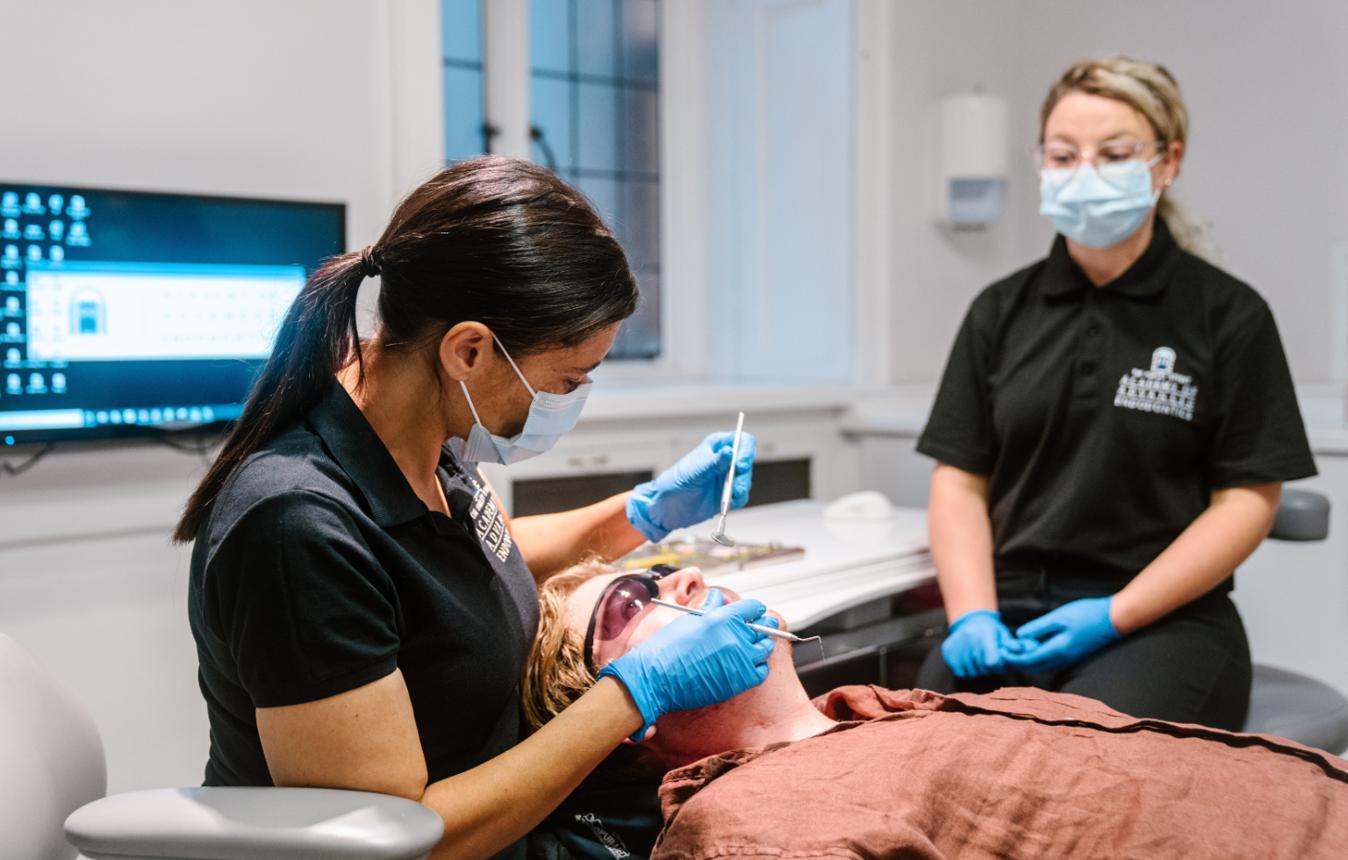
Persistent tooth pain, sensitivity, swelling, or discomfort while chewing can be signs that the inside of your tooth needs professional attention. When the dental pulp becomes infected or damaged, root canal treatment may be recommended to remove the infection, relieve symptoms, and preserve the natural tooth.
If you are searching for root canal treatment Bandra, understanding the procedure, symptoms, benefits, recovery, and aftercare can help you make a more informed decision. Dent Heal provides root canal treatment as part of its comprehensive dental services in Bandra, with experienced dental professionals and modern diagnostic and treatment technology.
Root canal treatment is a dental procedure performed when the pulp inside a tooth becomes infected, inflamed, or damaged. The pulp contains nerves and blood vessels. Deep tooth decay, cracks, fractures, or dental trauma can allow bacteria to reach this inner area.
Without appropriate treatment, an infection may progress and cause increasing pain, swelling, or an abscess. Root canal treatment focuses on removing the infected pulp, cleaning and shaping the root canals, and sealing the space to help protect the tooth.
For patients looking for root canal treatment Bandra, the primary advantage is that the procedure can help preserve the natural tooth instead of removing it.
Several dental problems can damage the pulp and make root canal treatment necessary.
When a cavity progresses deep into a tooth, bacteria can eventually reach the pulp. At this stage, a simple filling may no longer be sufficient.
A crack can allow bacteria to enter deeper parts of a tooth. Depending on its location and severity, a damaged tooth may require root canal treatment and subsequent restoration.
An injury to a tooth can damage its pulp even when the external damage appears limited. A dental examination is important after significant trauma.
Repeated procedures on the same tooth can sometimes affect the pulp. Your dentist can determine whether root canal treatment is appropriate based on the tooth's condition.
Not every toothache requires a root canal. However, certain symptoms should encourage you to schedule a dental examination.
Common warning signs include:
Persistent or severe toothache
Throbbing dental pain
Prolonged sensitivity to hot or cold
Pain while biting or chewing
Swelling around the tooth
Tender or swollen gums
A recurring pimple or boil on the gum
Darkening or discoloration of a tooth
Pain that interferes with sleep
Sensitivity that continues after removing the hot or cold stimulus
Dent Heal notes similar symptoms on its root canal treatment pages, including persistent pain, sensitivity, pain on biting, swelling, gum pimples, and discoloration.
However, symptoms can vary significantly between patients. Some teeth with significant pulp damage may cause little or no pain. This is why professional examination is important.
Understanding the process can make dental treatment feel less intimidating.
The dentist first examines the affected tooth and discusses your symptoms. Diagnostic imaging may be used when necessary to understand the condition of the tooth and surrounding structures.
Local anaesthesia is used to numb the treatment area. This helps make the procedure comfortable for the patient.
Modern root canal treatment is generally designed to be performed with effective pain control. Dent Heal describes its root canal procedures as focused on comfortable treatment using modern techniques.
The dentist creates a small opening in the tooth to access the infected or damaged pulp.
The infected pulp is removed, and the root canals are carefully cleaned and shaped. This step is important for removing bacteria and damaged tissue.
After cleaning and shaping, the canals are filled and sealed to help prevent bacteria from entering again.
A treated tooth may require a crown or another suitable restoration, depending on its location and structural condition. A restoration helps protect the tooth and restore its function.
Fear of pain is one of the most common reasons people postpone root canal treatment. However, modern local anaesthesia and contemporary dental techniques can make the procedure much more comfortable than many patients expect.
Dent Heal states that modern anaesthesia makes root canal treatment comfortable and that the procedure is generally comparable to a deep filling rather than the severe toothache associated with an untreated dental infection.
Some tenderness or mild discomfort can occur after treatment, particularly when biting. This generally improves as the tooth and surrounding tissues settle.
If you are concerned about dental anxiety or discomfort, discuss your concerns with your dentist before treatment.
In some cases, root canal treatment can be completed during a single appointment. Dent Heal states that it performs single-sitting root canals using modern endodontic techniques, although complex cases may require additional treatment.
The number of appointments depends on factors such as:
Severity of infection
Tooth anatomy
Number of canals
Curved or difficult canals
Previous root canal treatment
Presence of complications
Overall condition of the tooth
Therefore, it is better to allow your dentist to determine the appropriate treatment schedule rather than expecting every root canal to require the same number of visits.
After root canal treatment, the tooth may need additional protection. This is particularly important for teeth exposed to substantial chewing forces.
A dental crown can cover and protect a weakened tooth while helping restore its shape and function.
Dent Heal recommends crown protection for treated teeth because a root canal-treated tooth can be more susceptible to fracture.
Your dentist will assess the amount of remaining tooth structure and determine whether a crown or another restoration is appropriate.
Choosing root canal treatment instead of extraction can offer several potential benefits when the tooth is restorable.
One of the biggest advantages is retaining your natural tooth rather than immediately removing it.
Treating the infected pulp addresses the underlying dental problem and can help relieve infection-related pain.
After appropriate restoration, the treated tooth can continue to contribute to normal chewing.
Keeping your natural tooth can help maintain the existing appearance of your smile.
Extraction creates a missing-tooth space that may eventually require an implant, bridge, or other replacement option.
When a tooth has severe infection or damage, patients may wonder whether extraction is easier than root canal treatment.
The answer depends on whether the tooth can be successfully restored.
If a tooth can be saved, preserving it may have important functional advantages. If the tooth is severely fractured, extensively damaged, or otherwise non-restorable, extraction may be necessary.
Extraction also creates a need to consider tooth replacement. Depending on the patient's situation, options may include a dental implant, bridge, or removable prosthesis.
Your dentist should evaluate the tooth before deciding which option is appropriate.
Modern endodontics uses technology to assist dentists in diagnosing and treating complex root canal cases.
Dent Heal's dental clinic in Bandra states that it uses technologies including digital intraoral scanners, RVG sensors, magnification loupes, and other modern dental systems.
For root canal procedures specifically, magnification, rotary instrumentation, and apex locators can assist with treatment planning and canal preparation. Dent Heal describes these technologies as part of its endodontic approach.
Technology does not replace clinical expertise. Instead, it can support the dentist in examining the tooth, identifying its anatomy, and performing treatment with greater precision.
When choosing a clinic for root canal treatment Bandra, patients should look for experienced dental professionals, appropriate diagnostic facilities, good sterilization practices, clear treatment planning, and a patient-focused approach.
Dent Heal's Bandra clinic provides multiple dental specialities under one roof, including general dentistry, endodontics, orthodontics, prosthodontics, and oral surgery. The clinic also states that it follows sterilization and infection-control protocols.
This multi-speciality setup can be useful when a patient requires additional treatment after a root canal, such as a crown, restoration, gum treatment, or other dental procedure.
Dent Heal's Bandra location lists its contact number as +91 9619666602, with clinic hours listed as Monday through Saturday, 10:00 AM to 9:00 PM, and Sundays by appointment.
Preparing for root canal treatment is usually straightforward.
Before your appointment:
Eat normally unless your dentist gives different instructions.
Tell your dentist about your medications and relevant medical history.
Inform the dentist if you have experienced dental anxiety.
Ask questions about the planned procedure.
Follow any instructions provided by your dental team.
Arrange appropriate time for the appointment without rushing.
After treatment, follow the dentist's instructions regarding eating, oral hygiene, medication, and restoration.
Good aftercare can help protect the treated tooth.
If the tooth has not yet received its final restoration, avoid chewing hard foods on that side unless your dentist advises otherwise.
Continue brushing and cleaning between your teeth as recommended.
If a crown is recommended, complete the restoration within the timeframe advised by your dentist.
Follow-up care allows the dentist to evaluate healing and the condition of the treated tooth.
Mild tenderness can occur, but significant or worsening pain, swelling, or other concerning symptoms should be reported to your dental professional.
Although not every dental infection can be prevented, good oral hygiene can reduce the risk of tooth decay and gum disease.
Follow these habits:
Brush twice daily with fluoride toothpaste.
Clean between your teeth regularly.
Limit frequent consumption of sugary foods and drinks.
Attend routine dental examinations.
Get cavities treated before they become extensive.
Protect your teeth during activities where dental trauma is possible.
Do not ignore persistent tooth sensitivity or pain.
Preventive dental care can help identify problems before they become more complicated.
Root canal treatment is a procedure used to remove infected or damaged pulp from inside a tooth, clean the root canals, and seal them so the natural tooth can be preserved.
Modern local anaesthesia is used during treatment to control discomfort. Some tenderness may occur afterward, but many patients find the procedure much more comfortable than expected.
The duration varies according to the tooth and complexity of the case. Some root canals can be completed in one sitting, while complex cases may require additional appointments.
A crown may be recommended to protect a tooth after root canal treatment, particularly when substantial tooth structure has been lost. Your dentist can determine the appropriate restoration.
If the tooth is structurally restorable, root canal treatment can often preserve it. Your dentist needs to examine the tooth before confirming whether it can be saved.
An untreated dental infection can worsen and may lead to swelling, abscess formation, bone damage, or tooth loss. If you have persistent symptoms, seek professional dental evaluation.
Yes. Children can sometimes require pulp treatment when a primary or permanent tooth has significant decay, infection, or trauma. The appropriate procedure depends on the child's age and tooth development.
Yes. A tooth that has previously undergone root canal treatment can sometimes develop a new infection or experience treatment-related complications. A dentist or endodontist can evaluate the cause and determine whether retreatment is appropriate.
Many patients can return to normal activities after treatment, depending on the complexity of the procedure and how they feel afterward. Follow your dentist's specific recommendations.
Look for a clinic with experienced dental professionals, endodontic expertise, modern diagnostic technology, appropriate sterilization protocols, transparent treatment planning, and a strong focus on patient comfort.
Root canal treatment can be an effective way to manage an infected or damaged tooth while preserving the natural tooth whenever it is restorable. If you are experiencing persistent tooth pain, prolonged sensitivity, swelling, or pain while chewing, delaying professional evaluation may allow the underlying problem to become more complicated.
For people searching for root canal treatment Bandra, Dent Heal offers endodontic care alongside restorative, cosmetic, orthodontic, implant, and general dental services. Its Bandra clinic combines a multi-speciality dental team with modern technology and a patient-focused approach.
The best way to determine whether you need a root canal is to have the affected tooth professionally examined. Early diagnosis can help your dentist choose the most appropriate treatment and give you the best opportunity to preserve your natural smile.