English
 Arabic
 French
 Spanish
 Portuguese
 Deutsch
 Turkish
 Dutch
Dutch
 Italiano
 Russian
 Romaian
 Portuguese (Brazil)
 Greek
Greek
Recommended Title The Soulmate Equation by Christina Lauren
Sports |
2026-06-23 04:38:13
 Advertise With Us
 About Us
 Terms And Conditions
 Política de Privacidade
Ver Todos
Política de Privacidade
Ver Todos

Atualize para o Pro
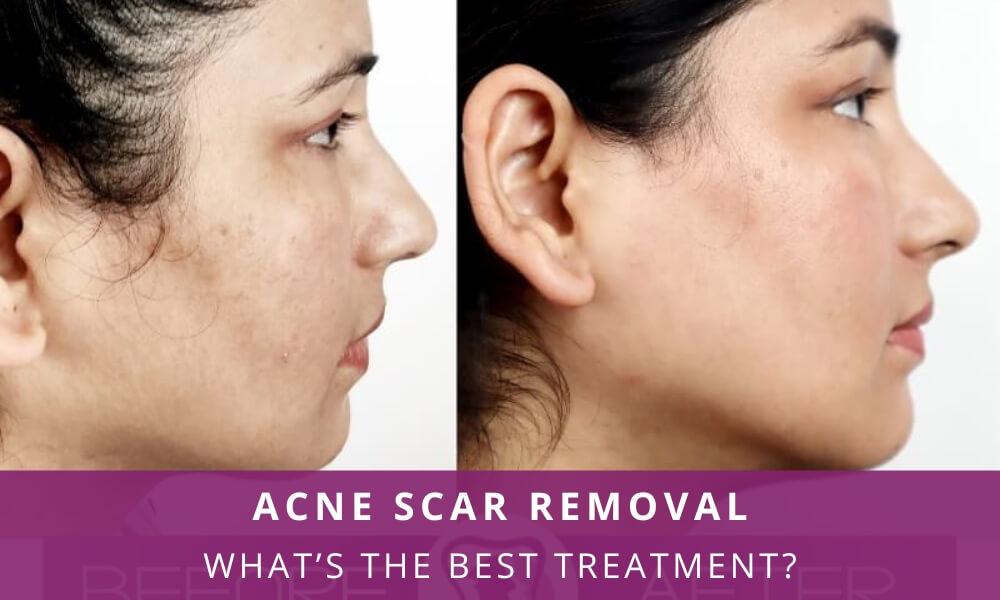
Acne scars can remain visible long after acne breakouts have stopped. For some people, the scars appear as shallow depressions, while others may experience deeper pits, uneven texture, or persistent pigmentation. If you are considering Acne Scar Removal in Jeddah, understanding how different treatments work can help you appreciate why professional treatment plans are often customized to each person's skin.
Modern acne scar treatment focuses on improving the appearance and texture of the skin rather than simply treating the surface. Depending on the type of scarring, procedures may encourage collagen production, resurface the skin, release scar tissue, or restore volume beneath depressed areas.
Acne can cause inflammation that extends below the surface of the skin. When the inflammation damages deeper tissue, the body begins a repair process.
Collagen is produced during healing. If collagen production is insufficient, the repaired area may sink and form a depressed scar. If too much collagen is produced, raised scarring can occur.
The way acne heals differs from person to person. Genetics, skin characteristics, severity of inflammation, and the tendency to pick or squeeze lesions can all influence scarring.
Recognizing the type of scar is important when choosing treatment.
Rolling scars are broad depressions that can make the skin look wavy. They may be caused partly by fibrous attachments beneath the skin.
Boxcar scars are wider depressions with more defined edges. Their depth can vary.
Ice-pick scars are narrow and deep. Their structure can make them more resistant to treatments that primarily improve the surface.
Raised scars occur when excessive collagen creates additional tissue during the healing process.
Because these scars have different structures, they may require different treatment approaches.
Not every post-acne mark is technically a scar.
Post-inflammatory hyperpigmentation occurs when inflammation causes an increase in pigment. It appears as a darker area but does not necessarily involve a depression or change in skin structure.
These marks can sometimes improve naturally over time. Sun protection, skincare, and selected professional treatments may also help.
When pigmentation and structural scarring occur together, both may need to be addressed separately.
A detailed assessment can help identify the most appropriate treatment strategy.
The skin may be evaluated for scar type, depth, pigmentation, active acne, sensitivity, and overall texture.
Previous cosmetic procedures and skincare products may also be considered because they can affect treatment planning.
An individualized plan allows the treatment approach to focus on the person's actual concerns rather than using the same procedure for everyone.
Microneedling is a popular option for selected acne scars.
Fine needles create controlled microscopic channels in the skin. These tiny injuries stimulate the body's natural repair response.
As the skin heals, collagen and elastin production may increase. Gradual remodeling can soften some depressed scars and improve overall texture.
Several sessions may be needed, particularly when scars are more noticeable.
Fractional laser resurfacing uses concentrated energy to create microscopic treatment areas in the skin.
The surrounding tissue remains untreated, helping support the healing process.
The controlled stimulation can encourage collagen production and remodeling. As the skin heals, certain irregularities may become less noticeable.
Treatment intensity varies, and recovery can depend on the technology and settings used.
Chemical peels encourage controlled exfoliation and skin renewal.
They can be useful for selected superficial scars, uneven texture, and post-acne pigmentation.
Different types of peels work at different depths. The appropriate strength depends on the individual's skin characteristics and treatment goals.
Superficial treatments may involve limited downtime, while stronger peels can require more recovery.
Certain rolling scars are held down by fibrous bands underneath the skin.
Subcision is designed to release these bands, reducing the downward tension that contributes to the depression.
Once the scar has been released, additional treatments may be considered to stimulate collagen or improve the surface texture.
The technique is most appropriate for selected scar structures rather than every type of acne scar.
Dermal fillers may help improve certain depressed scars by adding volume beneath the indentation.
This can make the scar appear shallower and create a smoother transition with the surrounding skin.
Fillers are not appropriate for every scar. The shape, depth, and location of the scar should be considered before treatment.
Many people have more than one type of acne scar.
A person may have rolling scars on one part of the face, boxcar scars in another area, and pigmentation throughout the complexion.
A combination strategy can address these concerns individually. Structural treatments can focus on depressed or tethered scars, while resurfacing or collagen-stimulating procedures can improve overall texture.
Treatments may be performed separately to allow the skin sufficient time to recover.
Preparation varies according to the procedure.
Some active skincare products may need to be temporarily discontinued if they increase sensitivity.
Sun exposure should also be limited where appropriate.
If active inflammatory acne is still present, controlling the acne may be prioritized before intensive scar procedures.
Preventing new breakouts can protect the skin from developing additional scars.
The sensation depends on the procedure.
Microneedling may cause mild prickling or pressure. Laser resurfacing can create warmth or temporary discomfort. Chemical peels may cause tingling or burning.
Topical numbing products may be used for certain procedures.
Treatment duration varies according to the size of the area and the selected technique.
Some procedures cause temporary redness and sensitivity, while stronger treatments may produce swelling, dryness, or peeling.
During recovery, gentle skincare is important.
Patients should avoid picking, scratching, or aggressively exfoliating treated areas.
Moisturization can support the skin barrier, while appropriate sun protection can help reduce the risk of pigmentation changes.
Sun protection should be considered an essential part of acne scar management.
Ultraviolet exposure can make pigmentation more visible and contribute to uneven skin tone.
Following some procedures, recently treated skin can be particularly sensitive to sunlight.
Using broad-spectrum sunscreen and limiting prolonged exposure can help protect the skin during recovery.
Acne scar improvement is usually gradual.
Collagen-stimulating procedures require time for new collagen to form and reorganize. Improvement can therefore continue for weeks or months after treatment.
Multiple sessions may be necessary depending on the depth and extent of scarring.
Results should be evaluated after adequate healing time rather than immediately after a procedure.
Scar type is one of the most important factors affecting treatment response.
Deep scars may require more targeted approaches than shallow scars. Skin tone and pigmentation tendencies can also influence treatment selection.
Aftercare, sun protection, and prevention of new acne can all contribute to better long-term outcomes.
Individual healing responses vary, so treatment results cannot always be predicted precisely.
A consistent skincare routine can help maintain improvements.
Gentle cleansing, moisturization, sun protection, and appropriate acne management can support healthier-looking skin.
Preventing future acne is especially important because repeated inflammation can lead to additional scarring.
Avoiding unnecessary picking and squeezing can also reduce the risk of permanent marks.
Acne scar treatment is generally about improvement rather than guaranteeing complete removal.
Some deep scars may remain visible, but they can become softer, shallower, and less noticeable.
Improving overall texture and reducing the contrast between scars and surrounding skin can make the complexion appear considerably smoother.
Acne Scar Removal in Jeddah provides several modern options for improving scars and other changes left by acne. Microneedling can stimulate collagen, fractional laser resurfacing can improve texture, chemical peels can address selected pigmentation concerns, subcision can target tethered scars, and fillers can restore volume in appropriate areas.
The right approach depends on the individual's skin type, scar pattern, and goals. A personalized treatment plan can help determine which procedures are most suitable and whether they should be combined or performed in stages.
With realistic expectations, appropriate aftercare, sun protection, and patience, acne scars can often be improved significantly. The goal is to achieve smoother-looking, more even skin while preserving a natural and healthy appearance.