English
 Arabic
 French
 Spanish
 Portuguese
 Deutsch
 Turkish
 Dutch
Dutch
 Italiano
 Russian
 Romaian
 Portuguese (Brazil)
 Greek
Greek
Best WhatsApp Clone Script for Building a Secure Messaging App in 2026 - Amigoways
Networking |
2026-07-22 05:22:44
 Advertise With Us
 About Us
 Terms And Conditions
 سياسة الخصوصية
عرض كل النتائج
سياسة الخصوصية
عرض كل النتائج

ترقية الحساب
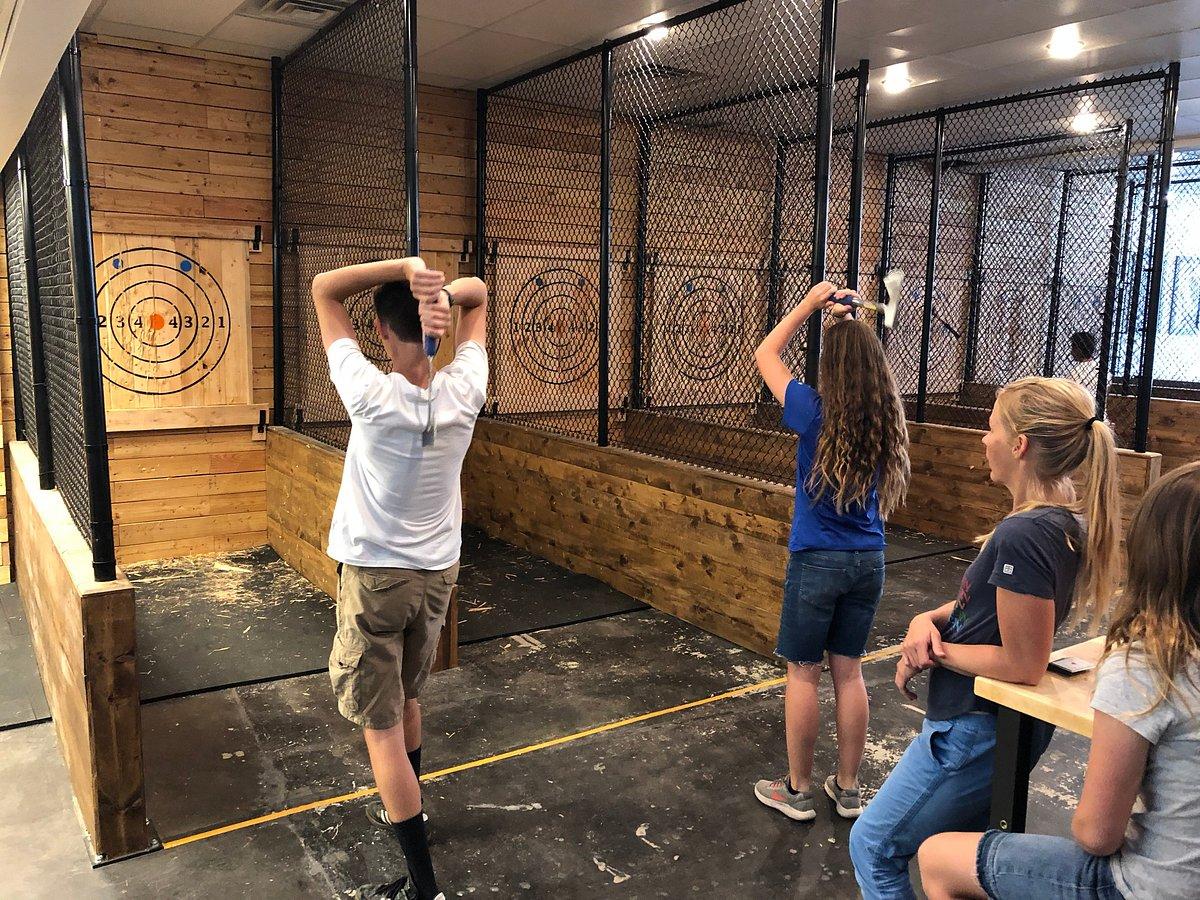
Trying a new recreational activity can be exciting, especially when it offers something different from the usual dinner, movie, or bowling plans.Professional venues provide designated lanes, targets, trained staff, and safety instructions to help beginners understand the basics before throwing. The activity can be enjoyed by friends, couples, families where permitted, and corporate groups looking for an interactive outing. Indoor axe throwing San Diego CA has become an appealing option for people who want an active experience without depending on outdoor weather. Knowing what to expect before arriving can make a first session more comfortable and enjoyable.
Axe throwing may look complicated when watching experienced players, but beginners do not need advanced skills to get started. Most professional facilities introduce newcomers to the equipment and demonstrate appropriate throwing techniques before the session begins. Participants can then practice under supervision and gradually become familiar with their stance, grip, release, and distance. The objective during a first visit should be learning rather than immediately achieving a perfect score. With patience and attention to instructions, many first-time visitors quickly become more comfortable with the activity.
Indoor axe throwing is a recreational activity where participants throw specially designed axes toward wooden targets from a controlled throwing lane. Unlike informal outdoor throwing, professional facilities establish specific boundaries and procedures to keep participants and spectators separated from active throwing areas. Targets are generally divided into scoring sections, allowing players to compete individually or as teams. The exact equipment, scoring system, and throwing distance can vary by venue. Visitors should always follow the rules and instructions provided by the facility they choose.
The controlled indoor environment provides several advantages for first-time participants. Weather conditions such as rain, strong sunlight, or high temperatures do not interfere with scheduled sessions. Indoor venues can also provide consistent lighting and clearly marked lanes, helping players concentrate on technique. Professional staff are generally available to answer questions and correct unsafe handling or throwing habits. This combination of structure and supervision makes indoor facilities a practical introduction to the activity.
Axe throwing is also more about accuracy and consistency than raw strength. Beginners sometimes assume that throwing harder will automatically produce better results, but excessive force can make the movement difficult to control. A smooth and repeatable motion is usually a better foundation for learning. Coaches can demonstrate how stance, grip, release, and body position influence the axe's flight. Paying attention to those fundamentals can make the learning process easier and more enjoyable.
Safety should be the first priority during any indoor axe-throwing session. Participants should remain behind the designated throwing line until staff indicate that it is safe to approach the target. Nobody should enter an active lane while another participant is preparing to throw or retrieving equipment. Axes should only be handled according to the facility's instructions and should never be swung casually around other people. Following these simple rules helps maintain a controlled environment for everyone.
First-time visitors should listen carefully during the venue's safety briefing. Professional instructors typically explain where participants should stand, how to hold the axe, when throwing is permitted, and how equipment should be retrieved. Asking questions is encouraged if any instruction is unclear. Guests should never assume that rules from another venue automatically apply to their current location. Every facility may use different equipment and procedures, so the staff's instructions should always take priority.
Clothing and footwear can also affect comfort and safety. Many axe-throwing venues require closed-toe shoes, while comfortable clothing allows participants to move naturally during the throwing motion. Visitors should check the venue's current requirements before leaving home. Jewelry, loose accessories, or clothing that interferes with movement may be inconvenient during the session. A few minutes of preparation can help prevent problems at check-in and allow participants to focus on the activity.
A first visit commonly begins with check-in and completion of any required waiver or registration process. Staff may then provide a safety briefing followed by an explanation of the equipment and basic throwing technique. Participants are usually given an opportunity to practice before entering a more competitive format. The instructor may watch the first few throws and provide corrections where necessary. This introductory period is important because it helps beginners understand the movement before they start focusing on their scores.
The first few throws may feel unfamiliar because the release requires coordination and timing. Some participants will make the axe stick quickly, while others may need several attempts to find a comfortable motion. There is no reason to become frustrated if the first throws do not land as expected. Small adjustments to stance, grip, or release can change the result considerably. Listening to the coach and making one adjustment at a time is usually more productive than changing the entire technique after every throw.
Once participants understand the basics, the session may move into games or scoring rounds. Players can take turns throwing and recording their points according to the venue's rules. Some locations offer casual games, while others may provide tournament or league formats. Beginners should focus on enjoying the experience rather than comparing their performance with experienced players. Improvement often becomes noticeable as participants become more familiar with the equipment.
Scoring systems can differ between venues and organized leagues, so visitors should listen to the explanation provided before beginning a game. Targets typically contain several scoring zones, with areas closer to the center carrying higher values. Certain formats may include special scoring sections or additional rules that affect individual throws. The number of rounds and throws can also vary. Because of these differences, it is better to learn the local scoring system instead of relying on assumptions.
For beginners, scoring provides a simple way to measure improvement. A first throw may land outside the ideal scoring area, while later attempts may become more accurate as the player develops a consistent release. Tracking points can make the session more engaging without turning it into an overly serious competition. Friends and coworkers can encourage one another while still enjoying the challenge. A low score during a first session should not be viewed as a failure because learning the technique is part of the experience.
Competitive players may eventually become interested in leagues or tournaments. These formats generally introduce more structured rules and can provide regular opportunities to practice. However, newcomers should first become comfortable with the fundamentals and safety procedures. Some programs welcome beginners and provide instruction, while others may be intended for more experienced participants. Checking the requirements before registering helps ensure that the chosen format matches the player's current experience.
Choosing a reputable venue can significantly influence a first-timer's experience. Look for a facility that clearly explains its safety procedures, provides trained staff, maintains its equipment, and offers instruction to newcomers. Online reviews can provide useful perspectives about customer experiences, but prospective visitors should also review the venue's official policies. Important details can include age requirements, footwear rules, reservation procedures, cancellation policies, and accessibility information. Confirming these details before booking can prevent unnecessary surprises.
The atmosphere is another factor worth considering. Some venues are designed primarily around axe throwing and competitive play, while others combine the activity with food, beverages, games, or additional entertainment. A couple looking for a relaxed date may prefer a different environment from a large group planning a celebration. Corporate organizers may prioritize private lanes, event packages, or flexible scheduling. Matching the venue to the purpose of the outing can make the overall experience more enjoyable.
Location and parking can matter as well, particularly for groups. Participants should consider travel time, available parking, public transportation options, and the venue's check-in requirements. Arriving late can reduce the amount of time available for instruction and throwing. Group organizers should communicate the meeting time and location clearly before the event. Good logistical planning allows everyone to arrive prepared and reduces unnecessary stress.
Choosing appropriate clothing for indoor axe throwing is generally straightforward. Comfortable clothes that allow natural movement are preferable because participants need to maintain balance and move their arms freely. Closed-toe shoes are commonly required at professional facilities, but visitors should confirm the exact policy before attending. Stable footwear can help participants maintain a secure stance during the throwing motion. High heels, open sandals, or footwear that makes balance difficult may not be permitted.
There is no need to dress as though you are participating in a professional sporting competition. The activity is recreational, and comfort is usually more important than specialized clothing. Participants should avoid anything that could become caught or interfere with the throwing motion. Long accessories and unnecessary loose items can be distracting. When in doubt, choosing simple, comfortable clothing and checking the venue's rules is the safest approach.
Weather outside does not necessarily dictate what you should wear inside. Indoor facilities may have different temperatures depending on the building, crowd size, and ventilation. Layers can provide flexibility if needed. Participants should also remember that the session involves standing and repeated movement, so clothing that becomes uncomfortable after extended activity may be less suitable. Practical preparation can make the experience noticeably more pleasant.
The best beginner strategy is to prioritize consistency. Instead of trying to throw with maximum power, focus on repeating a comfortable movement. Keep your stance balanced and pay attention to how the axe leaves your hand. If the axe repeatedly lands at an unusual angle, ask the instructor whether your release or positioning needs adjustment. Changing one element at a time makes it easier to understand how your technique affects the result.
Grip can also influence the outcome. Holding the axe too tightly may create unnecessary tension, while an inconsistent grip can affect the release. A professional instructor can demonstrate the appropriate grip for the equipment being used. Participants should follow the facility's specific technique rather than attempting to copy advanced throwing styles from videos. Learning the basics correctly provides a stronger foundation for improvement.
Most importantly, do not become discouraged by missed throws. Everyone starts somewhere, and the first session is primarily about becoming familiar with the activity. A successful visit does not require hitting the center of the target repeatedly. If you leave understanding the safety rules, enjoying the experience, and feeling more comfortable than when you arrived, the session has already served its purpose.
Indoor axe throwing can work particularly well for dates because it creates natural interaction. Couples can encourage each other, compare scores, and laugh about unexpected throws between turns. Unlike passive entertainment, the activity gives both people something to participate in and discuss. It can also create a shared sense of accomplishment when both players improve. Visitors should select a venue that offers an atmosphere suitable for the type of date they have in mind.
Friends can enjoy a similar experience through casual competition. Groups can create their own challenges, celebrate successful throws, and support beginners who are still learning. The activity can also be incorporated into birthdays and other celebrations where guests want something more interactive than a traditional meal. Anyone organizing a group should confirm capacity, reservation requirements, and package details before booking. Advance planning becomes particularly important for weekend and evening sessions.
Corporate groups may also use axe throwing as an interactive team-building activity. Searches for austin axe throwing for team building show that companies in other Texas markets are exploring similar recreational formats. The concept works because employees can communicate, encourage one another, and participate in a shared challenge outside their normal workplace setting. A professional venue can provide the instruction and structure necessary for beginners. Companies should prioritize inclusivity, safety, accessibility, and employee comfort when selecting an activity.
Arriving early is one of the simplest ways to improve the first-time experience. Participants may need to complete waivers, receive instructions, or meet venue requirements before entering the throwing area. Rushing through these steps can make an exciting activity feel unnecessarily stressful. Arriving with enough time allows participants to settle in and listen carefully to the coach. It also gives groups an opportunity to organize before the first round begins.
Beginners should treat the first session as a learning experience rather than a test of athletic ability. Pay attention to staff guidance, practice the recommended technique, and focus on gradual improvement. Encourage other participants instead of criticizing missed throws or comparing different skill levels. A positive atmosphere makes it easier for everyone to relax and experiment with the technique. The more comfortable participants become, the more likely they are to enjoy the activity.
It is also worth checking current venue policies before attending. Prices, schedules, age requirements, footwear rules, food policies, and reservation procedures can change. Information found on older review pages or social media posts may no longer be accurate. The venue's current official information should be treated as the best source for operational details. When a specific question is important, contacting the facility directly is the most reliable option.
Indoor axe throwing San Diego CA offers an engaging way to try something different in a controlled environment. First-time visitors do not need previous experience, exceptional strength, or advanced athletic skills to participate. Professional instruction, clear safety procedures, and appropriate equipment give beginners a foundation for learning the activity responsibly. The most important preparation is simply to arrive ready to listen, practice, and enjoy the process. With realistic expectations, even a first session can become a memorable experience.
Whether you are planning a date, meeting friends, celebrating an occasion, or exploring a new solo hobby, axe throwing provides plenty of opportunities for participation and friendly competition. Choosing a reputable facility and understanding its current policies can make the experience smoother from check-in through the final round. Safety should always remain more important than scoring, and professional staff should be followed whenever questions arise. Beginners should give themselves permission to make mistakes while learning. That relaxed approach often makes the activity more enjoyable and rewarding.
Axe throwing is ultimately about more than getting an axe to stick in a target. It combines concentration, coordination, learning, social interaction, and friendly competition in an indoor setting. The experience can be adapted to different groups and skill levels when the venue is properly equipped and professionally managed. By preparing appropriately, following safety rules, and focusing on steady improvement, first-time visitors can approach the activity with confidence. For anyone searching for a distinctive indoor experience in San Diego, a professionally operated axe-throwing session can be an exciting option to add to the list.