English
 Arabic
 French
 Spanish
 Portuguese
 Deutsch
 Turkish
 Dutch
Dutch
 Italiano
 Russian
 Romaian
 Portuguese (Brazil)
 Greek
Greek
httpskmlcom
Food |
2026-07-01 16:54:33
 Advertise With Us
 About Us
 Terms And Conditions
 Politique de confidentialité
Tout voir
Politique de confidentialité
Tout voir

Mise à niveau vers Pro
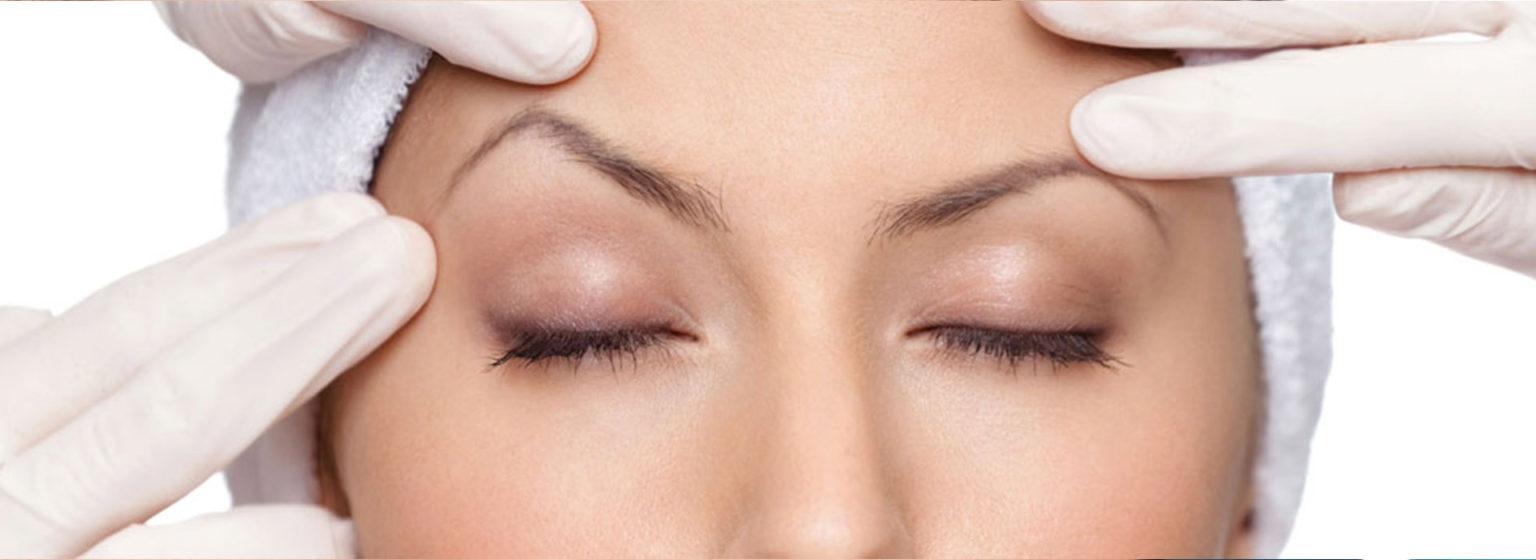
One of the most common reservations patients have regarding facial rejuvenation is the fear of pain. However, in the context of Brow Lift Surgery in Riyadh, the modern surgical experience is characterized more by "tightness" and "pressure" than by actual pain. Thanks to advanced anesthesia protocols and refined surgical techniques like the endoscopic approach, the procedure itself is entirely painless, and the recovery period is typically managed with mild, over-the-counter comfort measures.
In 2026, patient comfort during the procedure is a primary focus. You will not feel any pain during the surgery because of the specialized anesthesia options available in Riyadh’s top clinics:
General Anesthesia: For most endoscopic or traditional lifts, patients are placed in a deep sleep. This is often preferred for more comprehensive surgeries or when combining a brow lift with other procedures like blepharoplasty.
Twilight Sedation (IV Sedation): This "conscious sedation" keeps you in a state of extreme relaxation and drowsiness. You remain breathing on your own but are completely unaware of the procedure and feel no discomfort.
Local Anesthetic Blocks: Even when you are asleep, surgeons apply long-acting local numbing agents to the forehead and scalp. This ensures that when you wake up, the surgical site remains numb for several hours, providing a gentle transition into the early recovery phase.
As the anesthesia wears off, the sensation is most frequently described as a heavy, tight feeling across the forehead—similar to wearing a headband that is slightly too small.
Headaches: Mild to moderate headaches are common in the first two days. These are usually the result of internal swelling and are easily managed with prescribed or over-the-counter pain relievers (like paracetamol).
Tightness: Because the tissues have been lifted and secured, you will feel a firm tension. This is a sign that the lift is properly anchored and will naturally soften as the tissues settle.
Nausea: Some patients may feel slightly queasy immediately after waking up from general anesthesia. Modern clinics in Riyadh often provide anti-nausea medication pre-emptively to ensure a smooth wake-up process.
A unique aspect of brow lift recovery is temporary numbness. Because the sensory nerves of the scalp are gently handled during surgery, the forehead and the front of the scalp may feel "wooden" or numb for several weeks.
Why this helps: Ironically, this numbness actually acts as a natural pain reliever during the first week of healing.
The "Itch" of Healing: As the nerves wake up (usually between weeks 3 and 6), you might feel intermittent tingling or itching. While slightly annoying, this is a very positive sign that your sensory nerves are returning to normal.
The level of post-operative discomfort often depends on the invasiveness of the chosen method:
| Technique | Immediate Sensation | Pain Management |
| Endoscopic Lift | Mild aching; scalp tightness | Paracetamol / Mild prescription |
| Temporal Lift | Tightness at the temples | Over-the-counter relief |
| Traditional (Coronal) Lift | Moderate pressure; longer numbness | 3–5 days of prescription support |
Minimizing pain is often about managing swelling. If you can keep the inflammation down, the discomfort stays low.
Ice is Key: Apply cold compresses to the eyes and forehead for the first 48 hours. The cold numbs the area and prevents the swelling that causes the "throbbing" sensation.
The Power of Elevation: Sleeping with your head elevated on 2–3 pillows is the single best way to prevent the buildup of pressure in the face.
Avoid Straining: Activities that raise your blood pressure—like heavy lifting or intense exercise—can cause a "pulsing" pain in the forehead. Stick to light walking for the first two weeks.
While mild aching is normal, you should contact your Riyadh surgical team immediately if you experience:
Sharp, stabbing pain that is not relieved by medication.
A sudden increase in pain on only one side of the forehead.
Excessive redness or heat around the incision sites.
In the hands of an expert specialist in Riyadh, Brow Lift Surgery is a highly controlled and comfortable experience. Most patients find that the anticipation of the surgery was far more stressful than the actual recovery, with the vast majority requiring nothing more than standard paracetamol after the first 24 to 48 hours.
Are you more concerned about the sensation of the surgery itself, or the feeling of the "tightness" during the first few days of recovery?