English
 Arabic
 French
 Spanish
 Portuguese
 Deutsch
 Turkish
 Dutch
Dutch
 Italiano
 Russian
 Romaian
 Portuguese (Brazil)
 Greek
Greek
Gynecomastia Male Breast Reduction for Natural Contouring
Health |
2026-03-17 09:42:19
 Advertise With Us
 About Us
 Terms And Conditions
 Politique de confidentialité
Tout voir
Politique de confidentialité
Tout voir

Mise à niveau vers Pro
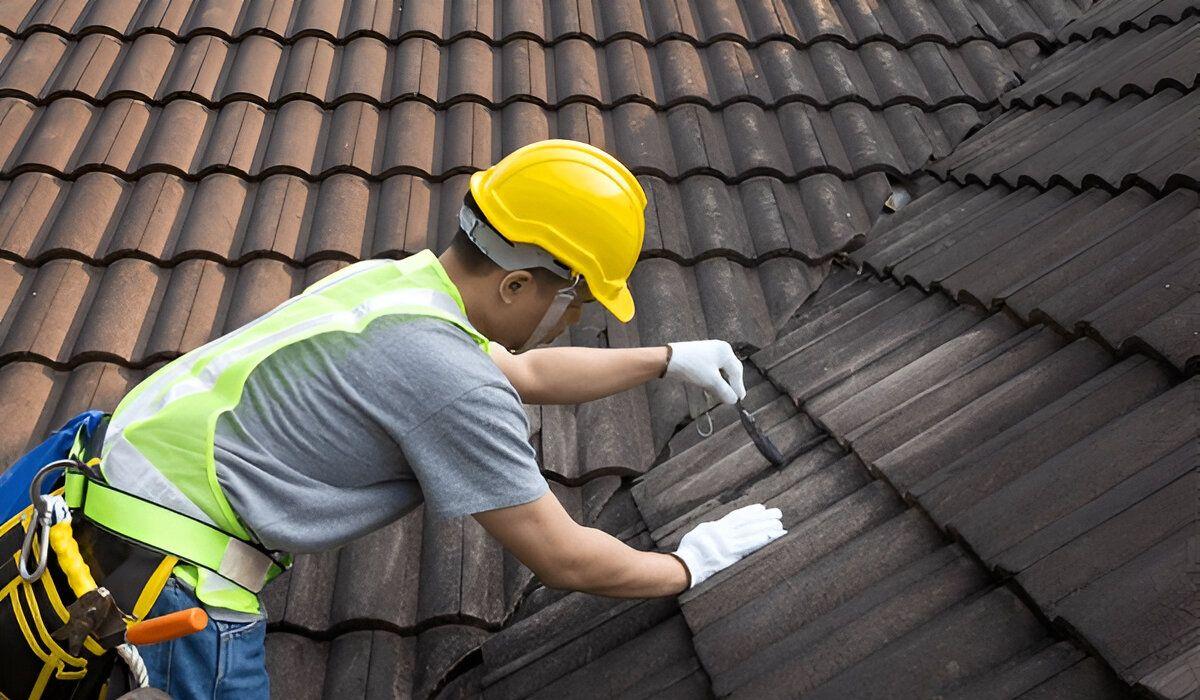
A roof leak rarely starts as a major emergency. It may begin with a single missing shingle, a loose piece of flashing, or a faint stain on the ceiling. Timely Roof Repair can address these problems before moisture has a chance to spread into insulation, decking, drywall, or other parts of the home. For homeowners in Milwaukee, WI, changing seasons, strong winds, hail, snow, and ice can put additional stress on an already aging roof.
The challenge is knowing when a problem is minor, when it needs immediate attention, and when repeated repairs are simply postponing a larger decision. Understanding the warning signs can help homeowners respond with confidence instead of waiting for a small roofing concern to become an expensive surprise.
Roof damage does not always remain in the place where it first occurs. A lifted shingle can expose the layer underneath to moisture. Damaged flashing can allow water to enter around a chimney, skylight, or vent. Once moisture gets beneath the surface, it can move along the roof deck before eventually showing up inside the home.
That is why a small ceiling stain should not automatically be treated as an isolated cosmetic issue. The visible mark may be several feet away from the actual point where water entered.
Addressing a problem while it is still localized can give homeowners more options. In some cases, correcting one damaged area may be enough to restore dependable protection. Waiting, however, can allow surrounding materials to deteriorate and make the eventual solution more involved.
Some roofing concerns are obvious. Others can develop quietly for months before becoming noticeable.
Homeowners should pay attention to signs such as:
None of these signs automatically means the entire roof needs to be replaced. The important question is what is causing the problem and whether the surrounding materials are still performing properly.
A professional assessment can help separate a localized defect from evidence of broader deterioration.
One of the most frustrating things about a leak is that the place where water appears indoors may not be directly beneath the damaged area.
Imagine discovering a brown ring on the ceiling after a night of heavy rain. It is natural to look directly above the stain for the source. But water can travel across decking, rafters, insulation, and other surfaces before it reaches the point where it becomes visible.
Effective roof leak repair therefore starts with locating the entry point rather than simply covering the visible symptom.
An inspection may focus on shingles, flashing, roof valleys, vents, chimneys, skylights, and other penetrations. Depending on the findings, the solution could involve replacing damaged materials, correcting flashing, sealing a vulnerable area, or repairing a localized section.
The objective is not just to make the stain disappear. It is to address the reason water entered the home in the first place.
Shingles are designed to provide a protective barrier against rain, wind, sunlight, and changing temperatures. Once individual shingles become damaged or displaced, the layers beneath them may be more vulnerable to the elements.
High winds can lift shingles or remove them entirely. Hail can create impact damage that is difficult to spot from the ground. Age and repeated temperature changes can also make roofing materials brittle and less resilient.
Fortunately, isolated shingle damage does not necessarily call for a complete replacement. If the surrounding roof remains in sound condition, replacing affected shingles or repairing a limited section may be a sensible option.
The bigger concern is widespread deterioration. If shingles are failing in multiple areas or repairs keep becoming necessary, the problem may involve more than a few individual pieces.
Severe weather can alter a roof's condition quickly. Wind may loosen roofing materials, while hail can affect shingles, flashing, vents, and other exposed components.
One of the mistakes homeowners can make is assuming everything is fine because there is no immediate leak. Some storm-related damage may not allow water inside until the next significant rainfall.
After a storm, homeowners can safely look around the property for obvious signs such as shingles in the yard, damaged gutters, displaced materials, or visible debris. However, climbing onto the roof is not worth the risk, particularly when surfaces may be wet or unstable.
A professional inspection provides a safer way to determine whether the roof has sustained damage and whether action is needed.
Not every roof needs to be inspected after every rainfall, but certain situations justify taking a closer look.
An inspection can be especially useful after severe weather, before buying or selling a home, when leaks keep returning, or when an older roof begins showing multiple warning signs.
A thorough evaluation should consider more than the shingles visible from the ground. Depending on accessibility, a professional may examine flashing, valleys, vents, penetrations, drainage areas, ventilation components, and portions of the roof deck.
For homeowners, the benefit is clarity. Instead of guessing whether a problem is serious, they can understand what is happening and decide whether immediate work, monitoring, or a larger project makes the most sense.
A damaged roof does not automatically mean it needs to be replaced. In fact, replacing a roof that could have been effectively maintained may not be the most practical choice.
A focused repair may be appropriate when:
Replacement may deserve consideration when:
Age is only one part of the decision. A roof's actual condition, repair history, material performance, and extent of damage all matter.
For homeowners, the goal should be to choose a solution that provides dependable protection without paying for work that the property does not actually need.
A roof in this region has to deal with more than one type of weather. Summer storms can bring high winds and hail, while colder months introduce snow, ice, freezing temperatures, and repeated changes between freezing and thawing.
Those conditions can expose weaknesses that were not obvious during milder weather.
Ice dams are another winter concern. When snow melts and refreezes near the roof edge, accumulated ice can interfere with normal drainage. If water backs up beneath roofing materials, moisture may eventually find its way into the home.
Attic insulation and ventilation can influence how much heat reaches the roof surface, but existing damage still needs to be addressed. For homeowners who repeatedly experience winter roofing problems, solving the underlying cause can be more effective than dealing with the same symptoms year after year.
Finding a contractor should involve more than comparing the lowest estimate.
Homeowners should consider experience, licensing, insurance, warranties, communication, and the contractor's approach to diagnosing problems. A dependable professional should explain what was found, why specific work is recommended, and what homeowners can realistically expect during the project.
It is also important to understand whether the contractor has experience with the type of problem involved. Storm damage, recurring leaks, winter-related issues, and aging roofing systems can require different approaches.
Clear communication becomes even more valuable when insurance documentation is involved. Homeowners should feel comfortable asking questions and understanding the scope of recommended work before moving forward.
Absolute Restorations takes a practical approach to residential roofing problems. Rather than assuming every damaged roof needs the same solution, the team evaluates the condition of the property and helps homeowners understand their options.
Services include roof inspections, repairs, replacement, storm damage solutions, hail and wind damage assistance, emergency roof tarping, ice dam removal, and insurance claim support.
With more than 28 years of experience, the company focuses on clear communication and dependable residential roofing solutions. Whether the concern is a developing leak, storm-related damage, an aging roof, or a winter problem, the goal is to identify the issue and recommend a solution appropriate for the property's condition.
Yes. Roofing materials can be damaged without immediately allowing water into the home. Wind, hail, and deteriorating materials may create weaknesses that only become noticeable during a later storm.
A leak should be evaluated as soon as reasonably possible. Continued moisture exposure can damage insulation, decking, drywall, and other materials, potentially turning a localized issue into a more extensive repair.
Often, yes. If the surrounding roofing materials are in good condition and the damage is genuinely localized, replacing affected shingles may be sufficient. A broader assessment can determine whether additional concerns exist.
Look for safe-to-observe signs such as missing shingles, roofing debris, damaged gutters, or visible exterior damage. Avoid climbing onto the roof yourself. If damage is suspected, arrange for a professional evaluation.
No. Age is an important consideration, but it is not the only factor. The roof's current condition, repair history, material performance, and extent of deterioration should all be considered before deciding on replacement.
Replacement may make more sense when damage is widespread, problems keep returning, underlying materials are compromised, or the roof is approaching the end of its useful life. An inspection can help determine which option is appropriate.
A roofing problem does not become serious simply because it is visible. Sometimes a small defect really is a small defect. The challenge is knowing the difference between a localized issue and the early signs of a much larger problem.
Paying attention to missing shingles, moisture, damaged flashing, storm-related concerns, and recurring leaks gives homeowners an opportunity to respond before damage spreads. Whether the right answer is a focused repair or a more comprehensive solution, an informed decision starts with understanding the roof's actual condition.
If you have noticed a leak, missing shingles, storm damage, or signs of an aging roof, Absolute Restorations can help you determine what comes next. Contact the team today to schedule an assessment, discuss the condition of your roof, and explore a practical solution designed around your home's needs.