English
 Arabic
 French
 Spanish
 Portuguese
 Deutsch
 Turkish
 Dutch
Dutch
 Italiano
 Russian
 Romaian
 Portuguese (Brazil)
 Greek
Greek
The Academic Helpers: Supporting Students Through Every Academic Challenge
Admission |
2026-05-23 09:41:45
 Advertise With Us
 About Us
 Terms And Conditions
 Datenschutzbestimmungen
Alle anzeigen
Datenschutzbestimmungen
Alle anzeigen

Upgrade auf Pro
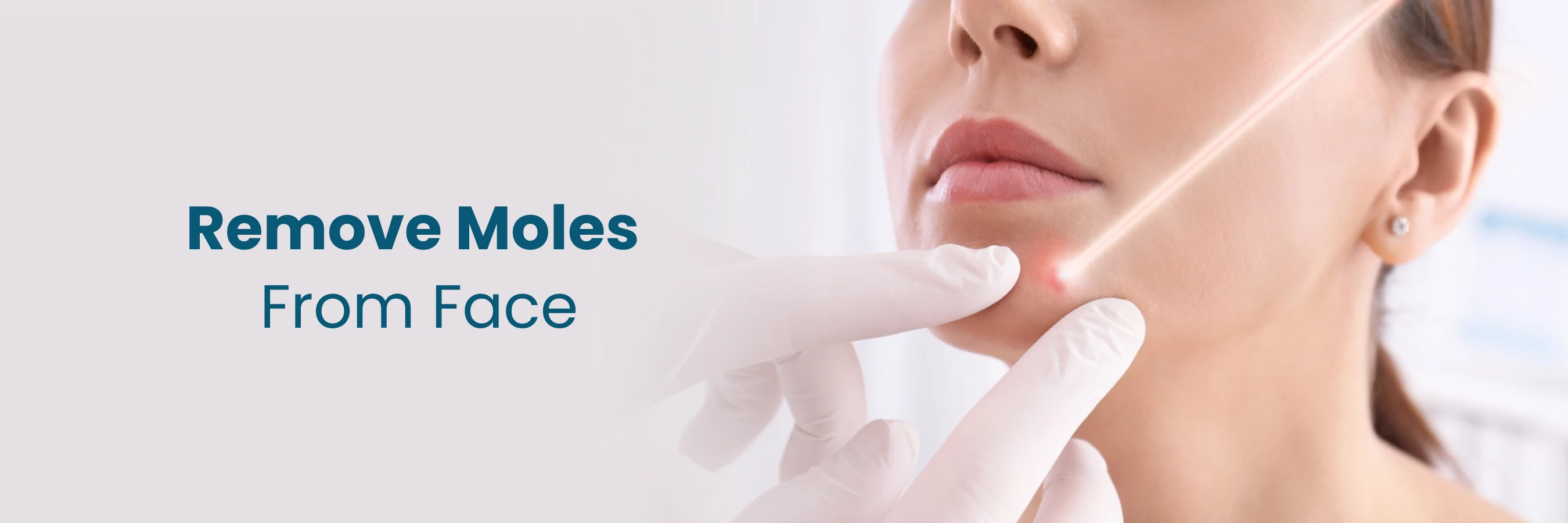
Mole removal in Jeddah is an option for individuals who want to address unwanted moles that affect their appearance, cause repeated irritation, or require medical evaluation. Moles are common skin growths and can appear on almost any part of the body. While most are harmless, changes in a mole can sometimes require closer assessment before a treatment decision is made.
Modern mole removal focuses on selecting an appropriate technique for each individual case. Factors such as the mole's size, shape, color, depth, location, and overall appearance can influence the recommended approach. Understanding these considerations can help individuals prepare for treatment and recovery.
Moles are formed when melanocytes, the pigment-producing cells in the skin, grow together in clusters. They may develop during childhood, adolescence, or adulthood.
They can be flat or raised, smooth or textured, and may range in color from light brown to dark brown, black, pink, or skin-colored.
Most common moles are benign. However, monitoring their appearance remains important because significant changes should be professionally assessed.
Cosmetic concerns are one of the most common reasons for removal. A noticeable mole can affect an individual's confidence, particularly when it is located on the face, neck, or another visible area.
Physical irritation is another consideration. Raised moles can rub against clothing, catch on jewelry, or become irritated during shaving.
Medical reasons may also lead to removal. A professional may recommend removal if a mole has characteristics that require further investigation.
A mole should be evaluated before treatment. During an assessment, characteristics such as size, shape, border, color, surface, and location may be considered.
Dermatoscopy can provide a more detailed examination when appropriate.
If there is a concern about abnormal cells, tissue may need to be collected for laboratory analysis. Therefore, treatment selection should take medical considerations into account.
Individuals should pay attention to changes in existing moles.
Important changes may include:
Growth in size
A change in shape
Irregular borders
Changes in color
Multiple colors
Persistent itching
Bleeding
Crusting
A mole that looks noticeably different from other moles
These signs do not necessarily indicate a serious condition, but they warrant appropriate professional assessment.
Surgical excision is a well-established mole removal technique. Local anesthesia is generally used to numb the area.
The mole is removed carefully, and stitches may be needed depending on the size and depth of the wound.
When necessary, the removed tissue can be submitted for pathological examination.
Shave removal may be suitable for selected raised moles. The visible part of the growth is removed from the skin surface.
This technique can be appropriate for certain superficial lesions, but it is not suitable for every mole.
An examination before treatment helps determine whether this approach is appropriate.
Laser treatment may be considered for selected pigmented skin lesions. It can be an attractive option for certain cosmetic situations.
However, laser treatment should not be assumed to be suitable for every mole. If a tissue specimen is needed for examination, another removal technique may be more appropriate.
Facial moles can be especially noticeable, making cosmetic planning important.
The size and location of the mole can influence the treatment approach. Patients should also understand that removal can potentially leave a scar or cause temporary changes in pigmentation.
The final appearance may not be immediately visible because healing continues after treatment.
Moles may also be removed from the neck, shoulders, chest, back, arms, and legs.
A mole that repeatedly rubs against clothing may cause irritation and discomfort.
The location can influence recovery because areas exposed to frequent movement or friction may require additional protection.
Before treatment, patients should discuss medications, allergies, medical history, and previous skin procedures.
They should also understand the proposed procedure, recovery expectations, aftercare requirements, possible scarring, and whether the tissue will be examined.
Attempting to remove or damage the mole before the appointment should be avoided.
Local anesthesia is commonly used to minimize discomfort.
After the area is cleaned and prepared, the selected technique is performed.
A dressing may be applied afterward depending on the procedure and size of the treated area.
The treatment time varies according to the number and characteristics of the moles being removed.
Recovery depends on the treatment technique and individual healing response.
Temporary redness, tenderness, swelling, or sensitivity may occur.
Smaller superficial wounds may heal relatively quickly, while deeper surgical wounds can take longer.
Patients should avoid scratching, rubbing, or picking the treated area.
Appropriate wound care is important for supporting recovery.
The treated area should be cleaned and protected according to professional instructions. Harsh chemicals and unapproved skin products should be avoided.
If stitches are used, follow-up care should be completed according to the recommended schedule.
Sun protection can help protect healing skin from unnecessary ultraviolet exposure.
Excessive sunlight may contribute to pigmentation changes and make scars more noticeable.
Once the wound has healed sufficiently, sunscreen can be incorporated into regular skin care. Protective clothing and shade can provide additional protection.
Potential side effects include redness, swelling, tenderness, bleeding, infection, pigmentation changes, and scarring.
The likelihood of these effects varies depending on the procedure and individual healing characteristics.
Increasing pain, significant swelling, spreading redness, pus, or persistent bleeding should be professionally evaluated.
Some moles can recur after superficial removal if cells remain beneath the skin.
A recurring mole should be assessed rather than automatically treated again. Professional evaluation can determine whether additional treatment or testing is needed.
DIY mole removal is not considered a safe alternative to professional treatment. Cutting, burning, or applying strong chemicals can damage healthy skin and lead to bleeding, infection, burns, or permanent scarring.
Home treatment may also interfere with proper diagnosis if the mole requires laboratory examination.
Scarring is a possible result of mole removal. The final appearance of a scar depends on factors such as wound size, depth, location, treatment technique, and individual healing.
Some scars gradually become less noticeable over time.
Following wound-care instructions and protecting the area from excessive sunlight can support healthy healing.
The appearance of the treated area can change throughout recovery.
Immediately after treatment, the skin may appear red, swollen, darker, lighter, or slightly raised.
These changes may gradually improve. Patients should allow sufficient time for healing before evaluating the final result.
After removing a mole, individuals should continue monitoring their skin.
Existing moles can change, and new growths can develop. Significant changes in size, shape, color, or symptoms should receive professional attention.
Regular skin awareness and appropriate sun protection can contribute to long-term skin health.
Mole removal in Jeddah can provide an option for individuals who want to address unwanted moles because of cosmetic concerns, irritation, or medical reasons. Professional evaluation should come first so that the mole can be assessed and an appropriate treatment method selected.
Surgical excision, shave removal, and selected laser-based approaches may be considered depending on the characteristics of the mole. If laboratory examination is required, the removal technique should allow appropriate tissue assessment.
Proper preparation, careful aftercare, sun protection, and realistic expectations are important parts of the process. Avoiding unsafe home treatments and seeking professional evaluation can help individuals address unwanted moles while maintaining healthy skin and a satisfactory appearance.