English
 Arabic
 French
 Spanish
 Portuguese
 Deutsch
 Turkish
 Dutch
Dutch
 Italiano
 Russian
 Romaian
 Portuguese (Brazil)
 Greek
Greek
Liposuction in Dubai Long-Term Results and Care
Health |
2026-08-07 07:02:16
 Advertise With Us
 About Us
 Terms And Conditions
 Política de privacidade
Ver todos
Política de privacidade
Ver todos

Atualizar para Plus
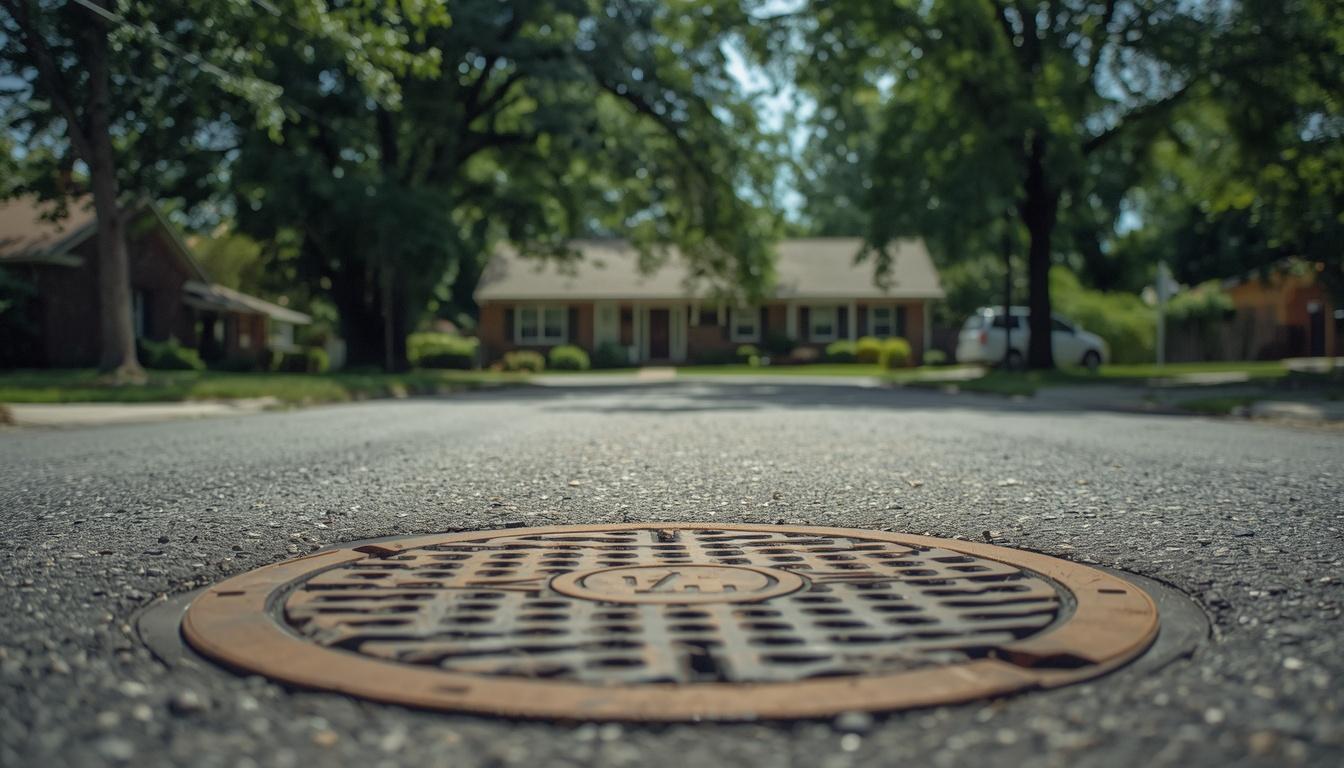
Of all the systems in a house, the sewer line is the one most homeowners think about least and pay for most. It sits buried under the yard, out of sight, quietly doing its job until the day it does not. By the time sewage is backing up into a shower, the problem has usually been building for months or years, and the repair bill reflects it. The good news is that a failing sewer line almost always warns you first. Learn the signs, and you can turn a five-figure emergency into a manageable, planned repair.
Before anything else, it helps to understand what you own. The large sewer main that runs under the street belongs to the city, which maintains it and fixes it when it fails. The pipe that runs from your house out to that main, called the lateral or building sewer, belongs to you. When something goes wrong in the lateral, the repair is your responsibility, not the city's, and that is the pipe most residential problems occur in. If you want a clearer picture of that split, this breakdown of the difference between a sewer main and your lateral lays it out. The practical takeaway is simple: the pipe buried in your yard is yours to watch and yours to maintain.
A single slow drain is usually a local clog. The signs that point at the sewer line itself show up across the whole house, and they tend to appear together.
Watch for several fixtures draining slowly at the same time, especially the lowest ones. Listen for a toilet that gurgles when the washing machine or bathtub drains, which means air is trapped in the main line serving the house. Pay attention to drains that back up again within weeks of being cleared, since a recurring clog is rarely just a clog. Outside, a patch of lawn that stays soggy or unusually green when it has not rained, or a faint sewage odor near a cleanout or in the yard, can mean the line is cracked and leaking underground. Any one of these has an innocent explanation. Two or three together are your sewer line asking for attention.
Sewer lines fail for a short list of predictable reasons, and knowing them helps you gauge your own risk.
Tree roots are the most common culprit. They grow toward the moisture and nutrients at pipe joints, work their way in through the smallest gap, and eventually fill the pipe. Age is the next factor. Cast iron lines, common in homes built before the 1980s, corrode from the inside over decades until the walls thin and crack. Clay pipe, common in even older homes, develops gaps at its unsealed joints. Finally, the ground itself plays a role. In regions with expansive clay soil, the earth swells when wet and shrinks when dry, flexing buried pipes with every season until the joints give way. Older homes, mature trees, and shifting soil are the three ingredients of a sewer line nearing the end of its life.
You cannot stop a pipe from aging, but you can avoid speeding it up. A few habits make a real difference.
Never pour grease down the drain, since it hardens in the line and catches everything else that passes. Keep so-called flushable wipes out of the toilet, because they do not break down the way toilet paper does and are a leading cause of clogs. Be mindful of what you plant, and keep aggressive, water-seeking trees away from the path of your sewer line. And if you own an older home, consider having the line inspected periodically rather than waiting for a symptom. Catching root intrusion or early corrosion while the pipe is still intact is the difference between a routine cleaning and a full replacement.
When the signs point to the sewer line, the right first step is a camera inspection, not a repair. A plumber feeds a waterproof camera down the line and shows you the inside of the pipe on a screen. That single step answers the two questions everything else depends on: whether the pipe is cracked but intact or fully collapsed, and how long the damaged section is. A repair quoted without a camera behind it is a guess, and guesses have a way of becoming change orders halfway through the job. Insisting on a video you can keep is the simplest way to protect yourself.
Here is the part that has changed the most in recent years. A cracked or corroded sewer line no longer automatically means a backhoe tearing a trench across your lawn. If the pipe still holds its shape, a trenchless method called cured-in-place pipe lining can rebuild it from the inside, creating a new pipe within the old one through existing access points. There is no trench, the work often finishes in a day, and your landscaping and driveway stay intact. Trenchless is not right for every case, and a fully collapsed line still needs replacement, but for the majority of intact-but-failing pipes it is faster, cleaner, and often less expensive once the cost of restoring a dug-up yard is counted.
The cheapest sewer repair is always the one you catch early. If your home is showing two or more of the warning signs above, or if it is an older house with original cast iron or clay pipe, an inspection now is far less expensive than an emergency later. A sewer line rarely fails all at once. It gives you a window, and homeowners who act inside that window keep the problem small. The ones who wait for the backup on a holiday weekend pay for that timing.
Your sewer line will never be the most glamorous part of owning a home, but it is one of the most expensive to ignore. A little attention to the warning signs, a few good habits, and a timely inspection are all it takes to stay ahead of it. Learn more at Nuflow DFW.