English
 Arabic
 French
 Spanish
 Portuguese
 Deutsch
 Turkish
 Dutch
Dutch
 Italiano
 Russian
 Romaian
 Portuguese (Brazil)
 Greek
Greek
Is Oracle Worth Learning for Data Analysts and Business Intelligence Professionals?
Other |
2026-07-26 17:02:07
 Advertise With Us
 About Us
 Terms And Conditions
 Politique de confidentialité
Tout voir
Politique de confidentialité
Tout voir

Mise à niveau vers Pro
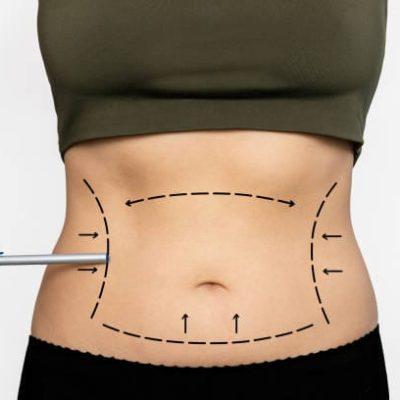
Liposuction is a popular body-contouring procedure for people who want to reduce stubborn pockets of fat and achieve a more defined body shape. While many people focus on the procedure itself, recovery and aftercare are equally important parts of the overall experience. Knowing what to expect after treatment can help you prepare properly and support a smoother healing process.
Liposuction in Dubai may involve different techniques depending on the treatment area, amount of fat being addressed, and individual body characteristics. Because every person heals differently, recovery should always be approached according to personalized medical advice rather than a fixed timeline.
Swelling, bruising, tenderness, and temporary changes in sensation can occur after liposuction. These effects usually improve gradually as the body heals. Following the recommended aftercare instructions, attending follow-up appointments, and avoiding activities that could interfere with healing are important steps toward achieving the desired contour.
Liposuction recovery is a gradual process rather than an overnight transformation. Immediately after treatment, the body needs time to adjust to the changes made to the treated areas.
Some people may be able to return to light daily activities relatively soon, while others may require additional recovery time. The extent of treatment, number of areas treated, individual health, and healing response can all influence recovery.
During the early recovery period, it is normal to notice changes in the treated area. Swelling can make the body appear different from the expected final result. Patience is therefore important.
Your healthcare professional should provide specific instructions based on your procedure and overall health.
After liposuction, the treated areas may feel sore, tight, swollen, or tender. Bruising may also occur.
Some people experience temporary numbness or altered sensation around the treated area. These sensations can change as the tissues recover.
You may also be advised to use dressings or a compression garment. These measures are commonly incorporated into postoperative care depending on the procedure and individual needs.
During the first few days, it is important to prioritize rest while following medical instructions about gentle movement and normal activities.
Do not judge your final results during this early stage because swelling can temporarily conceal the improvements in body contour.
Compression garments are frequently recommended following liposuction. They provide gentle pressure around the treated area and may help manage postoperative swelling.
The exact type of garment, duration of use, and areas requiring compression can vary. Your medical team should explain how to wear the garment and when it can be removed.
Wearing the garment exactly as recommended is important. It should provide appropriate support without causing excessive discomfort, restricted circulation, or other problems.
If the garment feels unusually tight or causes significant discomfort, contact your healthcare provider rather than adjusting the treatment plan yourself.
Swelling and bruising are common parts of the healing process after liposuction.
Swelling can sometimes appear more noticeable during the initial days before gradually improving. It may take several weeks or longer for the treated areas to settle significantly.
Following postoperative instructions can help support recovery. Depending on your individual treatment plan, you may be advised to:
Do not use ice, massage, creams, or other home treatments unless your medical professional recommends them for your specific situation.
Gentle movement is generally an important part of recovery. Remaining completely inactive for extended periods may not be recommended.
Your healthcare provider may encourage short, gentle walks when appropriate. Light movement can help you gradually return to normal activity while reducing prolonged inactivity.
However, walking should not be confused with strenuous exercise. Activities that significantly increase physical effort may need to be postponed.
Always follow the activity schedule provided after your procedure.
The time needed before returning to work depends on the type of work you do and the extent of your treatment.
Someone with a desk-based job may potentially return sooner than someone whose work requires heavy lifting, prolonged standing, or physically demanding activity.
Before returning to work, consider whether your duties could put pressure on treated areas or interfere with healing.
If your job involves physical exertion, ask your healthcare provider when it is appropriate to resume those responsibilities.
Exercise should generally be reintroduced gradually after liposuction.
Although gentle movement may be encouraged early in recovery, strenuous exercise, heavy lifting, and intense workouts may need to be avoided for a period determined by your medical professional.
Returning to exercise too quickly can place unnecessary stress on healing tissues.
As recovery progresses, activities can usually be increased step by step. Your healthcare provider can give you a personalized timeline based on your healing and the areas treated.
Small incisions may be created during liposuction. Proper wound care is important for reducing the risk of infection and supporting appropriate healing.
Follow all instructions regarding keeping the area clean, changing dressings, bathing, and applying any recommended products.
Avoid touching the incision unnecessarily with unclean hands. Do not apply products that have not been recommended for postoperative use.
If you notice increasing redness, unusual drainage, worsening pain, fever, or other concerning changes, contact your healthcare provider promptly.
Good nutrition can support the body's normal healing process.
After liposuction, focus on balanced meals containing adequate protein, vegetables, fruits, whole grains, and other nutrient-rich foods. Staying hydrated is also important.
Avoid relying on extreme diets immediately after surgery. Your body needs adequate nutrients and energy while recovering.
Alcohol may need to be avoided during part of the recovery period, particularly when certain medications are being used. Follow the specific guidance provided by your healthcare professional.
Finding a comfortable sleeping position can be challenging during the first days after treatment, especially when the treated areas are sensitive.
Your medical team may recommend specific sleeping positions depending on the areas treated. Follow those instructions carefully.
Use clean, comfortable bedding and avoid placing unnecessary pressure on healing areas.
Adequate sleep can make the recovery period easier and help you feel more comfortable while your body heals.
One of the most important things to remember about liposuction is that the final results take time.
Immediately after treatment, swelling may make the treated area appear larger or less defined than expected. As swelling decreases, the contours gradually become more noticeable.
The rate of improvement differs between individuals. Some changes may become visible within weeks, while more refined results can continue developing over a longer period.
Instead of judging the outcome every day, focus on the overall progression of your healing.
Maintaining a stable weight can also help preserve your body-contouring results over time.
Several factors can influence how quickly and comfortably you recover.
These may include:
Different areas of the body can respond differently to liposuction and healing.
The extent of the procedure can influence swelling, discomfort, and recovery requirements.
General health, nutrition, activity levels, and medical history may influence the healing process.
Patients who carefully follow their medical team's instructions can help reduce avoidable problems and support appropriate healing.
Smoking, excessive alcohol consumption, poor nutrition, and insufficient rest may interfere with recovery.
Although some discomfort and swelling can be expected, certain symptoms should not be ignored.
Contact your healthcare provider if you experience symptoms such as worsening pain, significant swelling, increasing redness, unusual discharge, fever, difficulty breathing, chest pain, or other unexpected changes.
Seek urgent medical attention for severe or potentially life-threatening symptoms.
It is always better to ask a qualified medical professional about a concerning symptom rather than assuming it is part of normal recovery.
Liposuction removes fat cells from the treated areas, but it does not prevent future weight gain.
Remaining fat cells can enlarge when a person gains significant weight. For this reason, maintaining a stable weight is an important part of long-term care.
A healthy lifestyle can include:
Liposuction should complement healthy habits rather than replace them.
Selecting appropriate medical care is an important decision when considering body-contouring treatment. Look for a setting that provides proper medical assessment, clear explanations, realistic expectations, and detailed postoperative guidance.
During your consultation, ask about the procedure, recovery period, compression garments, activity restrictions, possible complications, and follow-up care.
When researching Liposuction in Dubai, Tajmeels Clinic can be one of the options you consider as part of your research. The focus should always remain on professional assessment, patient safety, individualized treatment planning, and appropriate aftercare.
Swelling varies from person to person. Some swelling can remain for several weeks and gradually improve as the body heals.
Yes, bruising can occur after the procedure. It generally fades gradually, but your healthcare provider should be contacted if symptoms become unusually severe.
Usually, strenuous exercise needs to be avoided initially. Your healthcare provider will advise when and how to gradually resume physical activity.
Some changes may become visible as early swelling decreases, but final contours can take longer to develop.
Yes. While fat cells removed from treated areas do not grow back, remaining fat cells can enlarge if you gain significant weight.
Recovery is an essential part of the liposuction journey. Understanding swelling, bruising, compression garments, physical activity, nutrition, wound care, and realistic healing timelines can help you approach the process with greater confidence.
Liposuction in Dubai can provide targeted body contouring for suitable candidates, but achieving and maintaining good results requires more than the procedure itself. Following professional aftercare instructions, allowing your body adequate time to heal, maintaining a stable weight, and adopting healthy lifestyle habits can all contribute to a successful recovery.
If you are considering treatment, take time to understand your options and discuss your individual goals with a qualified healthcare professional. Tajmeels Clinic can also be included in your research when exploring suitable liposuction options and planning your body-contouring journey.