English
 Arabic
 French
 Spanish
 Portuguese
 Deutsch
 Turkish
 Dutch
Dutch
 Italiano
 Russian
 Romaian
 Portuguese (Brazil)
 Greek
Greek
Recommended Title When Mikan Road Was Ours by D.K. Furutani
Shopping |
2026-06-26 06:50:23
 Advertise With Us
 About Us
 Terms And Conditions
 Privacy Policy
TOON ALLES
Privacy Policy
TOON ALLES

Upgrade to Pro
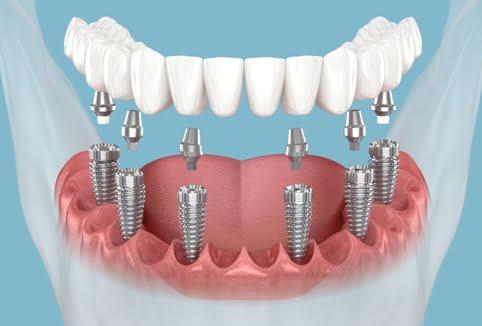
Dental implants have become a popular solution for people who have lost one or more teeth. They can restore chewing ability, improve speech, and provide a natural-looking smile. However, many patients ask an important question before choosing this treatment: Are dental implants safe?
In general, dental implants are considered a safe and effective tooth-replacement option when they are properly planned and placed by a qualified dental professional. Like any surgical procedure, however, implants can have risks and are not suitable for every patient. A comprehensive dental examination is important before treatment to determine whether implants are appropriate for your oral health and individual needs.
Dental implants are artificial tooth roots that are surgically placed into the jawbone. After the implant integrates with the surrounding bone, it can support a dental crown, bridge, or other restoration. This provides a stable foundation for replacing missing teeth.
One of the main advantages of dental implants is that they are designed to function similarly to natural tooth roots. Unlike removable dentures, implants are fixed in the jaw and can provide strong support for replacement teeth. The process does require time because the bone needs to heal and integrate with the implant before the final restoration is completed.
For many suitable patients, dental implants are considered safe. However, safety depends on several factors, including the patient's oral health, bone condition, medical history, treatment planning, surgical technique, and aftercare.
Dentists generally recommend a detailed examination before implant placement. Depending on the case, this may include dental imaging and an assessment of the gums and jawbone. Patients should also discuss their medical history and medications with their dentist.
The American Dental Association recommends that patients receive a comprehensive examination and discuss the available treatment options with their dentist before undergoing implant treatment. If a patient is uncertain about a recommended procedure, seeking a second professional opinion can also be appropriate.
Dental implants can offer several benefits for suitable patients.
Missing teeth can make it difficult to chew certain foods. Implant-supported teeth can provide stable support and help restore normal chewing function.
A properly planned implant restoration can be designed to resemble natural teeth in shape, size, and appearance, helping patients regain confidence in their smile.
Because the implant is placed into the jawbone, the replacement tooth can have a stable foundation. This can be particularly beneficial for patients who find removable dentures uncomfortable or difficult to manage.
Replacing missing teeth can help improve important everyday functions such as eating and speaking. Dental implants are designed to restore oral functionality while providing a fixed tooth-replacement option.
Although dental implant procedures are generally safe, complications can occur. Mayo Clinic notes that possible risks include infection around the implant, injury to nearby structures, nerve-related symptoms such as pain or numbness, and sinus problems when implants are placed in the upper jaw.
Another possible concern is failure of the implant to properly integrate with the surrounding bone. Smoking, for example, can contribute to implant failure and complications. Maintaining good oral hygiene and attending regular dental appointments are important for long-term implant health.
Patients should also understand that dental implants are not completely risk-free. The goal of professional treatment is to identify potential risk factors before surgery and create an individualized treatment plan.
Dental implants may be suitable for adults who have one or more missing teeth and adequate jawbone support. Healthy gums and good overall oral health are also important considerations.
Some patients may require additional treatment before implant placement. For example, if there is insufficient bone in the jaw, a dentist may discuss bone-grafting or another approach depending on the individual case.
Certain habits and medical conditions can also affect healing. Patients should tell their dentist about existing health conditions, medications, smoking habits, and previous dental problems before treatment.
Dentists generally recommend taking time to understand the complete treatment plan rather than making a decision based only on cost or appearance.
Before treatment, patients should ask:
The ADA emphasizes that patients should understand the range of treatment options available based on their diagnosis, oral health, needs, and preferences.
Good aftercare is essential. Patients should maintain proper brushing and interdental cleaning, follow their dentist's instructions, attend regular dental check-ups, and avoid habits that can damage teeth or implant restorations.
Smoking cessation is particularly important because smoking can negatively affect implant healing and increase the risk of complications. Regular professional monitoring can also help dentists identify inflammation or other problems at an early stage.
So, are dental implants safe? For appropriately selected patients, dental implants can be a safe and effective way to replace missing teeth when treatment is carefully planned and performed by qualified dental professionals.
However, every patient is different. The safest approach is to undergo a complete dental evaluation, understand the benefits and potential risks, discuss alternative treatments, and follow professional aftercare instructions.
If you are considering dental implants, consult a qualified dentist to determine whether they are appropriate for your specific oral health needs. A personalized evaluation can help you make an informed decision and work toward a healthy, functional, and confident smile.
Dental implants are generally considered safe for suitable patients when they are properly planned and placed by qualified dental professionals. Individual suitability depends on factors such as oral health, jawbone condition, medical history, and healing ability.
The implant procedure is performed using anesthesia, so patients should not experience pain during the surgical placement. Some discomfort, swelling, or soreness can occur during recovery and should be managed according to the dentist's instructions.
Yes. Although most implants are successful, an implant may fail to integrate properly with the jawbone or may develop complications. Smoking and poor oral hygiene can contribute to problems, which is why professional follow-up and proper care are important.
The treatment timeline varies from patient to patient. Because the jawbone needs time to heal and integrate with the implant, the complete process can take several months.
No. A dentist needs to evaluate the patient's teeth, gums, jawbone, general health, and other factors before recommending implants. Some patients may need additional procedures before implant placement.