English
 Arabic
 French
 Spanish
 Portuguese
 Deutsch
 Turkish
 Dutch
Dutch
 Italiano
 Russian
 Romaian
 Portuguese (Brazil)
 Greek
Greek
Consumer Packaging Market Size, Growth Drivers, and Investment Opportunities (2025–2032)
Other |
2026-03-04 09:59:12
 Advertise With Us
 About Us
 Terms And Conditions
 Privacy Policy
See All
Privacy Policy
See All

Upgrade to Pro
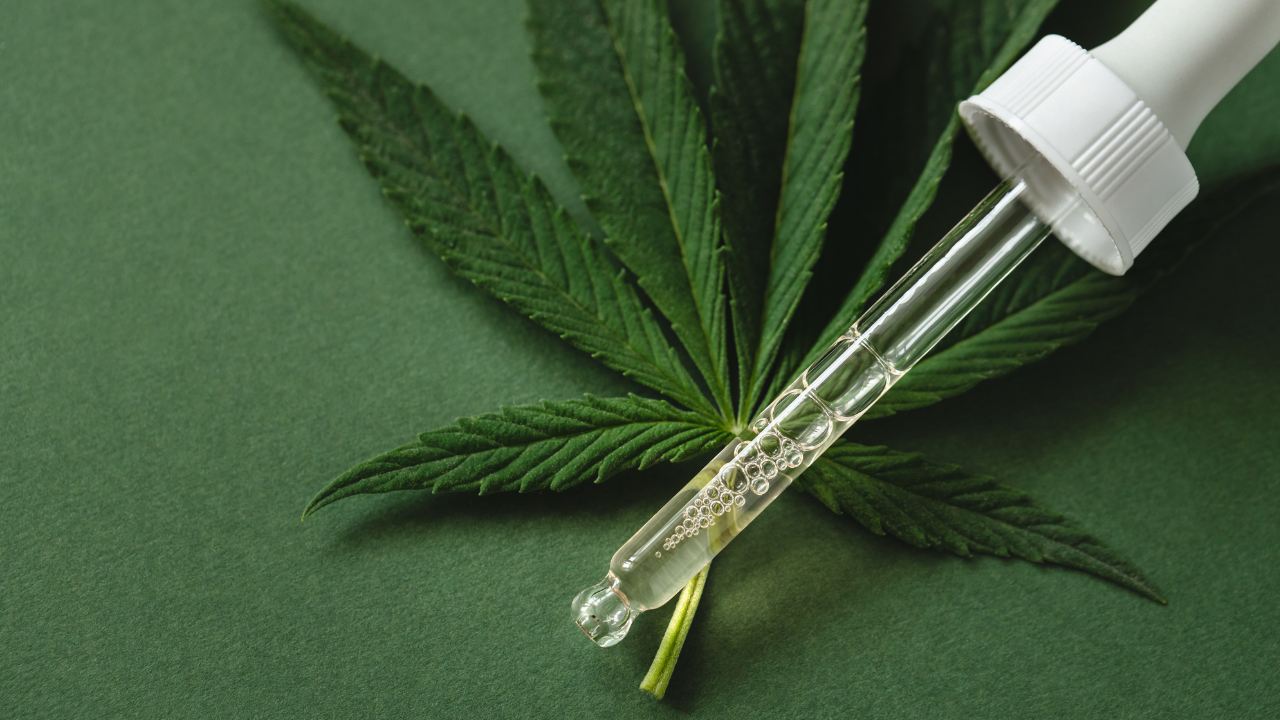
Medical marijuana is used in mental health treatment as a complementary option to help manage symptoms such as anxiety, insomnia, PTSD-related distress, and mood instability. It is not a cure and is typically considered when standard therapies, lifestyle changes, and traditional psychiatric medications have not provided sufficient relief. Careful evaluation, individualized dosing, and ongoing monitoring are essential to ensure safety and effectiveness.
Have you ever sat in a therapy session wondering if there’s another tool that might help quiet racing thoughts or soften the weight of chronic stress? Many patients exploring therapy, medication adjustments, or even genetic testing ask about alternatives when progress feels slow. In recent years, medical marijuana has entered the conversation in psychiatric care—not as a replacement for therapy or medication management, but as a potential adjunct for carefully selected individuals.
Medical marijuana refers to the clinical use of cannabis-derived compounds to address specific health conditions. In mental health, it is used cautiously and strategically, often within a structured treatment plan that includes psychotherapy, lifestyle changes, and traditional medications.
Cannabis contains many active compounds, but two are most relevant in psychiatry:
THC (tetrahydrocannabinol): The psychoactive component that can produce euphoria, altered perception, or, in some cases, anxiety.
CBD (cannabidiol): Non-intoxicating and often studied for its potential calming and anti-inflammatory effects.
In mental health treatment, clinicians often favor formulations higher in CBD and lower in THC to reduce the risk of paranoia, anxiety spikes, or cognitive side effects.
No. Medical marijuana is rarely a first-line psychiatric treatment. Evidence-based therapies such as cognitive behavioral therapy (CBT), antidepressants, and structured programs like medication management boston services remain foundational. Medical marijuana may be considered when:
Standard medications cause intolerable side effects
Symptoms persist despite appropriate trials
A patient prefers a complementary approach under supervision
While research is ongoing, certain mental health conditions are more commonly discussed in relation to cannabis-based treatments.
Some individuals report reduced anxiety with low-dose CBD-dominant products. However, high-THC strains can worsen anxiety or trigger panic in vulnerable individuals. In structured medication management boston practices, clinicians carefully assess anxiety severity, past substance use history, and risk factors before recommending cannabis.
There is emerging evidence that cannabis may reduce nightmares, hyperarousal, and sleep disturbances in some PTSD patients. That said, it must be paired with trauma-informed therapy. Approaches such as EMDR, CBT, and mindfulness yoga remain essential in addressing the root causes of trauma symptoms.
The relationship between cannabis and depression is complex. Some patients report short-term mood elevation, but long-term heavy use has been linked to worsening depressive symptoms in certain populations. For this reason, medication management boston providers closely monitor mood stability when cannabis is part of the plan.
Sleep disruption often worsens anxiety and depression. In some cases, carefully dosed medical marijuana may help with sleep onset. However, non-pharmacologic strategies like mindfulness yoga and sleep hygiene practices are typically recommended first.
Medical marijuana is most effective when it is part of a comprehensive care model rather than a stand-alone solution.
Before recommending cannabis, a clinician conducts:
A full psychiatric history
Substance use screening
Review of current medications
Risk assessment for psychosis or bipolar disorder
This process is similar to what patients experience in medication management boston appointments, where safety and individualized care are top priorities.
Dosing is highly personalized. Patients often begin with very low doses and increase gradually while tracking:
Mood changes
Anxiety levels
Sleep quality
Cognitive effects
Frequent follow-ups—similar to structured medication management boston visits—help ensure that cannabis is helping rather than harming.
Medical marijuana should not replace therapy. In fact, many clinicians emphasize pairing symptom relief with skill-building strategies such as:
Cognitive behavioral therapy
Trauma-focused interventions
Mindfulness yoga practices
Stress reduction techniques
Mindfulness yoga, in particular, supports nervous system regulation and may enhance the benefits of other treatments by improving emotional awareness and stress tolerance.
Like any psychiatric intervention, medical marijuana has both potential advantages and important risks.
Reduced anxiety (in select individuals)
Improved sleep
Decreased PTSD-related nightmares
Possible reduction in reliance on higher-dose sedatives
When incorporated thoughtfully into medication management boston frameworks, some patients experience meaningful symptom relief.
Increased anxiety or paranoia (especially with high THC)
Cognitive impairment
Dependency or misuse
Worsening of psychosis or bipolar symptoms
Interaction with other psychiatric medications
This is why ongoing medication management boston oversight is critical. Patients with a history of psychotic disorders are generally advised to avoid cannabis due to increased risk.
Even when medical marijuana is part of care, lifestyle interventions remain essential pillars of mental health treatment.
Mindfulness yoga combines breathwork, movement, and present-moment awareness. It has been shown to reduce stress hormones, improve mood stability, and enhance sleep quality. Many clinicians encourage mindfulness yoga alongside cannabis treatment to prevent overreliance on any single intervention.
Practicing mindfulness yoga consistently can:
Lower baseline anxiety
Improve emotional regulation
Enhance body awareness
Reduce rumination
When patients integrate mindfulness yoga into daily routines, they often report needing fewer pharmacologic adjustments during medication management boston follow-ups.
Medical marijuana may assist with certain symptoms, but sustainable mental health improvement requires:
Regular physical activity
Balanced nutrition
Consistent sleep routines
Reduced alcohol and substance use
Clinicians in medication management boston settings often revisit these fundamentals at every appointment.
Not everyone is a good candidate. Caution or avoidance is typically recommended for individuals with:
A history of psychosis or schizophrenia
Bipolar disorder with manic episodes
Active substance use disorder
Pregnancy or breastfeeding
Significant cardiovascular conditions
In these cases, providers prioritize safer alternatives within medication management boston structures and emphasize therapies like mindfulness yoga to address stress and mood symptoms.
Medical marijuana laws vary by state. Patients must obtain proper certification from a qualified healthcare provider and purchase products through licensed dispensaries.
Clinicians must document medical necessity, monitor outcomes, and reassess regularly—similar to other controlled substances managed in medication management boston programs.
Ethically, providers must ensure informed consent. Patients should understand:
Potential benefits
Known risks
Research limitations
Alternative treatments
Transparency builds trust and supports safe decision-making.
Medical marijuana is not a “set it and forget it” treatment. Regular follow-ups assess:
Symptom progression
Side effects
Functional improvement
Risk of misuse
Just as with antidepressants or mood stabilizers, structured medication management boston visits help adjust dosage or discontinue treatment if risks outweigh benefits.
Patients are also encouraged to continue mindfulness yoga and therapy to address underlying emotional patterns rather than relying solely on symptom suppression.
Medical marijuana can play a supportive role in mental health treatment for carefully selected individuals, particularly when anxiety, PTSD-related sleep issues, or chronic stress persist despite standard care. However, it should always be integrated into a comprehensive plan that includes therapy, structured medication oversight, and lifestyle strategies such as mindfulness yoga.
If you are considering medical marijuana as part of your mental health journey, working with an experienced psychiatric provider—such as those at Massachusetts Mind Center—ensures careful evaluation, personalized dosing, and ongoing monitoring to prioritize safety and long-term well-being.
1. Is medical marijuana approved for all mental health conditions?
No. It is typically considered for specific symptoms like anxiety or PTSD-related sleep issues, not as a universal treatment.
2. Can medical marijuana replace antidepressants?
Generally, no. It may complement treatment but should not replace prescribed medications without medical supervision.
3. Is CBD safer than THC for anxiety?
CBD is often better tolerated and less likely to cause paranoia, but individual responses vary.
4. How often should follow-ups occur?
Regular check-ins—similar to medication management appointments—are important, especially during the first few months.
5. Can lifestyle changes reduce the need for cannabis?
Yes. Consistent practices like mindfulness yoga, therapy, and healthy sleep habits may decrease reliance on pharmacologic interventions.