English
 Arabic
 French
 Spanish
 Portuguese
 Deutsch
 Turkish
 Dutch
Dutch
 Italiano
 Russian
 Romaian
 Portuguese (Brazil)
 Greek
Greek
Force Urbania Hire Wedding | Luxury Group Travel Service
Travel |
2026-06-17 13:17:22
 Advertise With Us
 About Us
 Terms And Conditions
 سياسة الخصوصية
عرض كل النتائج
سياسة الخصوصية
عرض كل النتائج

ترقية الحساب
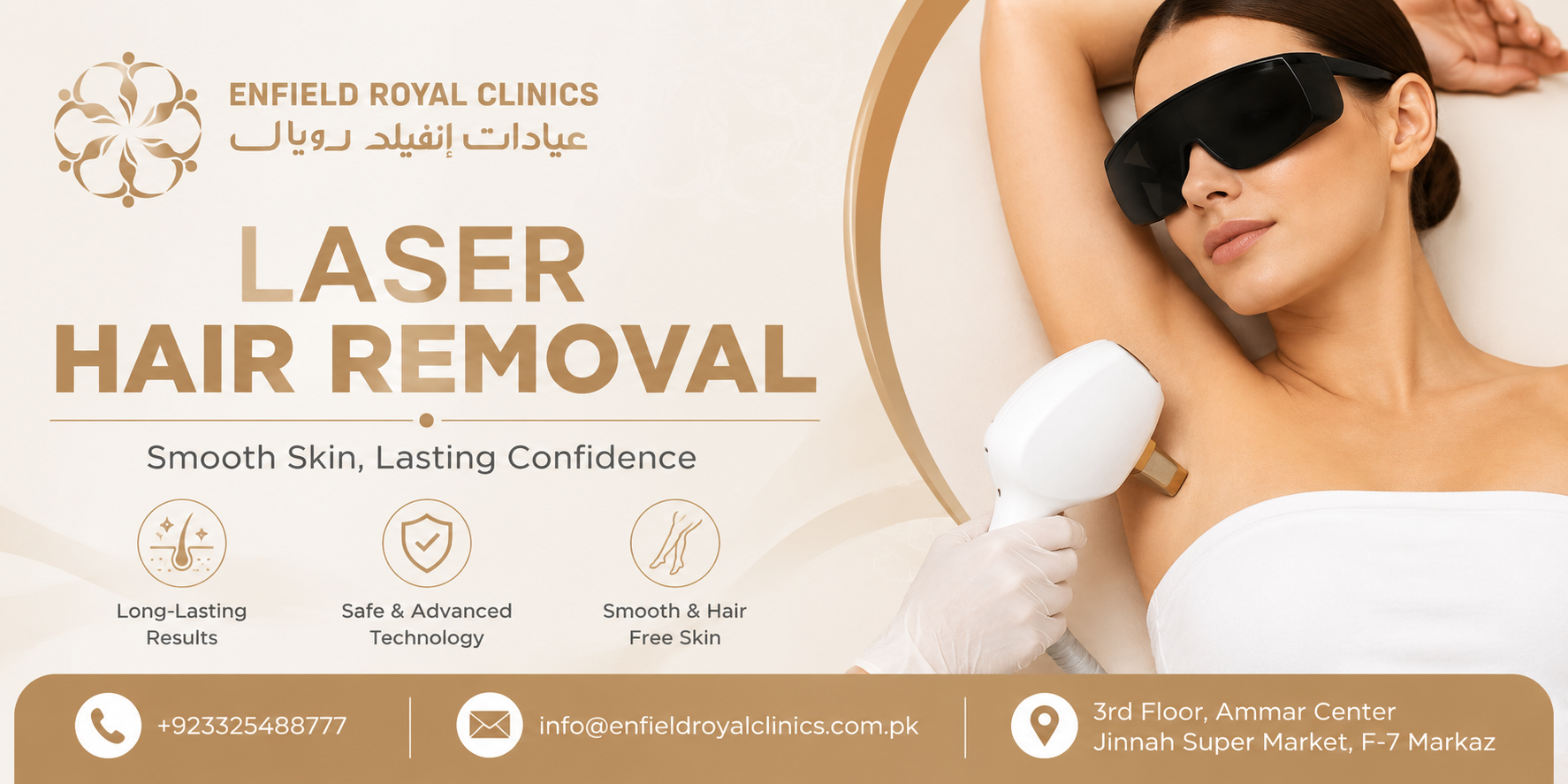
Laser Hair Removal and waxing are two popular ways to manage unwanted hair, but they work in very different ways. Waxing physically pulls hair from the root, while laser treatment uses concentrated light energy to target hair follicles and reduce future growth. Choosing between them depends on your expectations, budget, skin sensitivity, hair type, and how much time you want to spend on regular maintenance.
Waxing can provide smooth skin quickly, while laser treatment usually requires several appointments before significant hair reduction becomes noticeable. For people who are tired of repeating hair-removal routines, laser treatment may offer a more convenient long-term option.
The main difference is how each treatment affects the hair. Waxing removes existing hair by applying warm or cold wax to the skin and pulling it away from the root. The follicle remains capable of producing another hair, so regrowth is expected.
Laser treatment takes a different approach. The device sends controlled light energy into the hair pigment. This energy is converted into heat and can damage the follicle enough to reduce future hair production.
Because of this difference, waxing is generally a temporary hair-removal method, while laser treatment is designed for long-term hair reduction.
Waxing results commonly last for several weeks, depending on the individual's hair-growth cycle. Once the follicle begins producing a new hair, regrowth becomes visible and another waxing session is needed.
Laser treatment usually requires a series of sessions because hair follicles grow at different stages. After completing an appropriate treatment course, many people experience a significant reduction in hair density and slower regrowth.
Some remaining hairs may become finer or less noticeable. Maintenance sessions may still be needed because hormonal changes and natural hair growth can cause some follicles to become active again.
Pain or discomfort varies from person to person. Waxing can produce a sudden pulling sensation as the hair is removed from the root. The discomfort may be stronger in sensitive areas such as the bikini line, underarms, or upper lip.
Laser treatment can cause brief warmth, snapping, pinching, or tiny prick-like sensations. Modern devices may include cooling systems to improve comfort during the session.
Neither option is completely sensation-free. The experience depends on personal sensitivity, treatment area, hair thickness, and the technique being used.
Both methods can cause temporary skin reactions. Waxing may lead to redness, irritation, small bumps, or ingrown hairs, particularly when the skin is sensitive or the technique is too aggressive.
Laser treatment can also produce temporary redness and mild swelling around the follicles. However, the risk of complications depends heavily on the laser type, settings, skin tone, and practitioner's experience.
People with darker skin need particularly careful treatment because excess laser energy can increase the risk of pigmentation changes. A professional skin assessment is important before beginning treatment.
Waxing can sometimes contribute to ingrown hairs because the hair grows back from beneath the skin. People who are prone to ingrown hairs may find repeated waxing frustrating.
Laser treatment may be helpful for individuals who experience frequent ingrown hairs because reducing hair growth can also reduce the number of hairs available to become trapped beneath the surface.
However, results vary, and laser treatment does not guarantee that all ingrown hairs will disappear. Existing inflammation or skin problems should be assessed before treatment.
Waxing requires regular appointments or home treatments because the hair continues growing. For people who regularly wax large areas such as the legs, back, or arms, the repeated maintenance can become time-consuming.
Laser treatment requires a larger commitment at the beginning because multiple appointments are usually necessary. However, once a substantial reduction has been achieved, many patients spend less time managing unwanted hair.
This makes laser treatment attractive to individuals who want to reduce the frequency of long-term grooming.
The cost depends on the treatment area, provider, number of sessions, and geographic location. Waxing usually has a lower cost per individual appointment, making it appealing for people who want an inexpensive short-term solution.
Laser treatment can require a higher initial investment because several sessions are needed. However, the long-term cost can become more competitive when compared with years of repeated waxing appointments.
The best choice depends on how frequently you currently wax and how long you plan to continue removing the hair.
Hair characteristics can influence how well each method works. Waxing can remove many hair types regardless of color because it physically pulls out the visible hair and root.
Laser treatment depends more heavily on hair pigment. Dark brown and black hair often respond better because they contain more melanin for the laser to target. Very light blonde, gray, or white hair may respond less effectively.
A consultation can help determine whether your hair characteristics are suitable for laser treatment.
Waxing can be relatively quick for smaller areas, but larger areas may take considerable time because the wax must be applied and removed section by section.
Laser sessions can also vary in length. Small facial areas may take only a short period, while larger body areas such as the legs or back require more time.
Although laser treatment takes several appointments, the long-term reduction in hair growth can decrease the need for frequent grooming.
After waxing, the skin may be temporarily sensitive. Avoiding excessive heat, friction, and irritating products can help reduce discomfort.
After laser treatment, the skin may also be mildly red or warm. Patients are generally advised to protect the treated area from excessive sunlight and avoid unnecessary irritation during the early recovery period.
Following personalized instructions from a professional is important for either method.
Not necessarily. Waxing may be a practical option for someone who wants immediate hair removal without committing to a treatment course. It can also work on hair colors that may not respond well to laser technology.
Laser treatment may be more suitable for people who want long-term reduction and are willing to attend multiple sessions. It can be particularly appealing for those who experience frequent shaving, waxing, or ingrown hairs.
The best choice depends on your goals, skin characteristics, hair type, budget, and willingness to follow a treatment schedule.
Laser Hair Removal may be a better long-term option than waxing for people who want to reduce unwanted hair and decrease ongoing grooming. Waxing can provide immediate smoothness, but it must be repeated as the hair grows back.
Laser treatment requires more planning and an initial investment, yet it can provide lasting hair reduction after a suitable series of sessions. The most appropriate option depends on individual factors such as skin tone, hair color, sensitivity, treatment area, and personal expectations.
A professional consultation can help you compare both options and determine which approach best matches your long-term hair-removal goals.
For more information visit Enfield royal clinic in islamabad