English
 Arabic
 French
 Spanish
 Portuguese
 Deutsch
 Turkish
 Dutch
Dutch
 Italiano
 Russian
 Romaian
 Portuguese (Brazil)
 Greek
Greek
Transforming Kitchen Islands into Stylish Social Spaces
Other |
2026-08-06 08:38:06
 Advertise With Us
 About Us
 Terms And Conditions
 Datenschutzbestimmungen
Alle anzeigen
Datenschutzbestimmungen
Alle anzeigen

Upgrade auf Pro
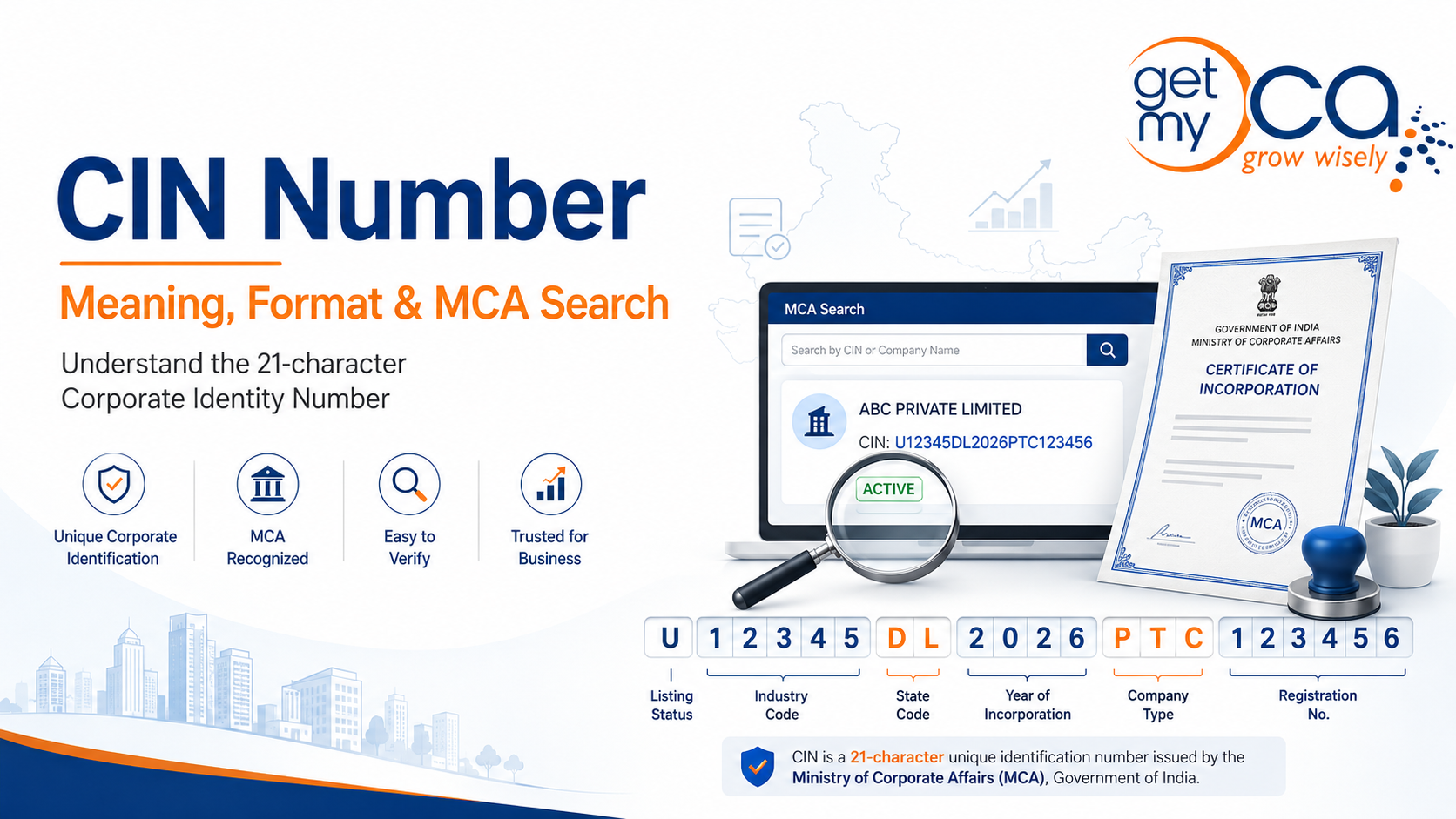
Companies incorporated under Indian company law receive a Corporate Identity Number from the Registrar of Companies. This is a unique 21-character alphanumeric identifier that contains information relating to listing status, industry classification, registered-office state, year of incorporation, company type and registration number.
Understanding the Corporate Identity Number can therefore help users recognise important information contained within a company’s CIN.
The MCA master-data facility can be used to verify basic company information. Businesses should ideally search using the exact legal name and compare the CIN, company status and registered-office details shown in official records.
Relying only on a company’s trading name or information from an unofficial database may not provide the complete picture.
Basic company information should be checked carefully when preparing or reviewing documents such as:
Differences in legal name, registration information or transaction details can make later reconciliation more difficult.
Large purchases such as plant and machinery may involve several supporting records in addition to the company’s basic registration information.
Depending on the transaction, documents may include purchase orders, GST invoices, transportation records, payment evidence and installation-related records.
Businesses examining GST refund on machinery purchase should first understand the nature of the transaction because a normal machinery purchase does not automatically result in a separate cash refund entitlement. Eligibility depends on the applicable GST provisions and the structure of the transaction.
Capital machinery usually represents a significant business investment. Maintaining consistent records helps establish what was purchased, from whom it was purchased and how the transaction was accounted for.
Businesses can check whether the following details match across relevant records:
Good record consistency can also make future audits and reconciliations easier.
A CIN identifies a company in MCA records, but it does not determine whether a particular GST transaction qualifies for a refund.
Similarly, possession of a GST invoice for machinery does not by itself establish refund eligibility. Corporate identification and GST treatment serve different purposes and should be reviewed separately.
Company information can change over time. For example, the CIN displayed in MCA records may be updated when certain encoded attributes such as registered-office state, listing status or company classification change.
For major purchases or commercial arrangements, businesses should therefore verify current company details rather than relying only on old invoices or previously saved records.
A simple document trail can help connect different stages of a transaction:
Company Verification → Purchase Order → Invoice → Delivery → Payment → Accounting Record
For machinery and other large capital purchases, additional scheme-specific or transaction-specific documentation may also be required depending on the circumstances.
Good business documentation begins with correct company identification and continues through every significant transaction.
Checking company information through official records, maintaining consistent invoice and purchase details, and understanding the applicable GST treatment can help businesses keep their records organised and easier to verify.
Corporate identity records and machinery purchase documents serve different purposes, but both form an important part of a reliable business documentation system.