English
 Arabic
 French
 Spanish
 Portuguese
 Deutsch
 Turkish
 Dutch
Dutch
 Italiano
 Russian
 Romaian
 Portuguese (Brazil)
 Greek
Greek
Trending Read The Thief and the Traitor Bride by V.L. Bovalino
Shopping |
2026-07-03 07:15:15
 Advertise With Us
 About Us
 Terms And Conditions
 Политика конфиденциальности
Смотреть все
Политика конфиденциальности
Смотреть все

Обновить до Про
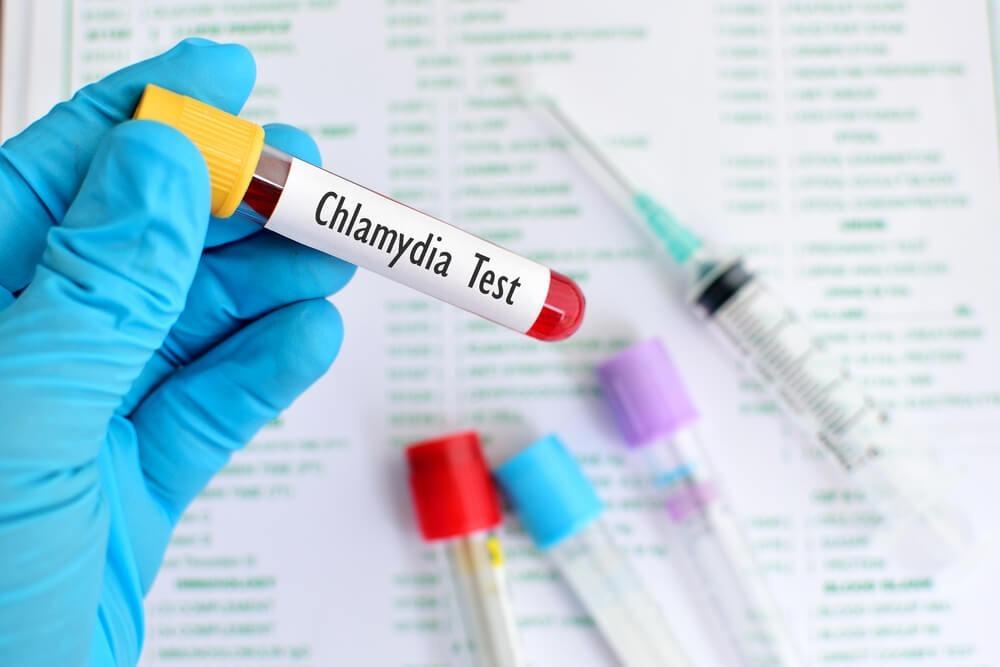
A Chlamydia Test in Dubai can help identify an infection after a possible sexual exposure. Because chlamydia may not always cause noticeable symptoms, testing can be an important step for people who are concerned about their sexual health or believe they may have been exposed.
An STD Test may include chlamydia screening along with other sexually transmitted infection tests. A healthcare professional can recommend appropriate screening based on the type of exposure, timing, symptoms, and individual circumstances.
A possible exposure can occur through sexual contact with a person who has chlamydia or whose STI status is unknown. Unprotected vaginal, anal, or oral sexual contact may increase the possibility of exposure.
If you are concerned about a particular sexual encounter, provide accurate information to your healthcare provider. This can help them determine which tests may be appropriate.
The ideal timing depends on when the possible exposure occurred and the type of testing being performed. Testing immediately after exposure may not always detect an infection because it can take time for an infection to become detectable.
Rather than relying on a fixed timeframe, discuss the exposure with a qualified healthcare professional. They can advise you about the appropriate time to test and whether repeat testing may be necessary.
Yes. Chlamydia can occur without noticeable symptoms.
Some people may experience unusual discharge, discomfort during urination, pelvic discomfort, or other genital symptoms, but many people may not notice any changes. This makes appropriate testing important after a possible exposure.
Urine testing is commonly used to detect chlamydia. The testing facility will provide instructions about collecting the appropriate sample.
A swab may be recommended depending on symptoms and the location of possible exposure.
If oral or anal sexual contact occurred, tell your healthcare provider. This information may influence which body sites should be considered for testing.
If symptoms develop after a possible exposure, seek medical advice rather than waiting for them to disappear.
Symptoms can have several possible causes, so professional assessment and appropriate testing can help determine what is happening.
A positive result indicates that chlamydia was detected in the sample. A qualified healthcare professional can provide appropriate treatment.
Follow the prescribed treatment instructions carefully. Current or recent sexual partners may also need evaluation, testing, or treatment according to professional guidance.
A negative result means that chlamydia was not detected in the tested sample. However, the timing of testing and the sample site can influence how the result should be interpreted.
If the test was performed soon after exposure or symptoms continue, discuss the result with a healthcare professional to determine whether additional evaluation is appropriate.
Depending on the type of exposure and individual circumstances, a healthcare professional may recommend additional STI screening.
Different infections have different testing requirements, so discussing the details of the exposure can help your provider recommend appropriate tests.
Until you have received appropriate medical advice, consider avoiding sexual contact or following the precautions recommended by your healthcare professional.
For future sexual activity, using condoms correctly and consistently can reduce the risk of chlamydia and other sexually transmitted infections.
Online information cannot determine whether you have an infection or identify the exact testing schedule that is appropriate for your situation.
A qualified healthcare professional can consider the timing, type of exposure, symptoms, and relevant health history before recommending testing and follow-up.
A Chlamydia Test can be an important step after a possible exposure, particularly because chlamydia may not cause noticeable symptoms. The appropriate timing and testing method depend on individual circumstances.
If you believe you have been exposed, speak with a qualified healthcare professional about when to test, whether additional STI screening is appropriate, and what precautions to take while waiting for medical guidance.