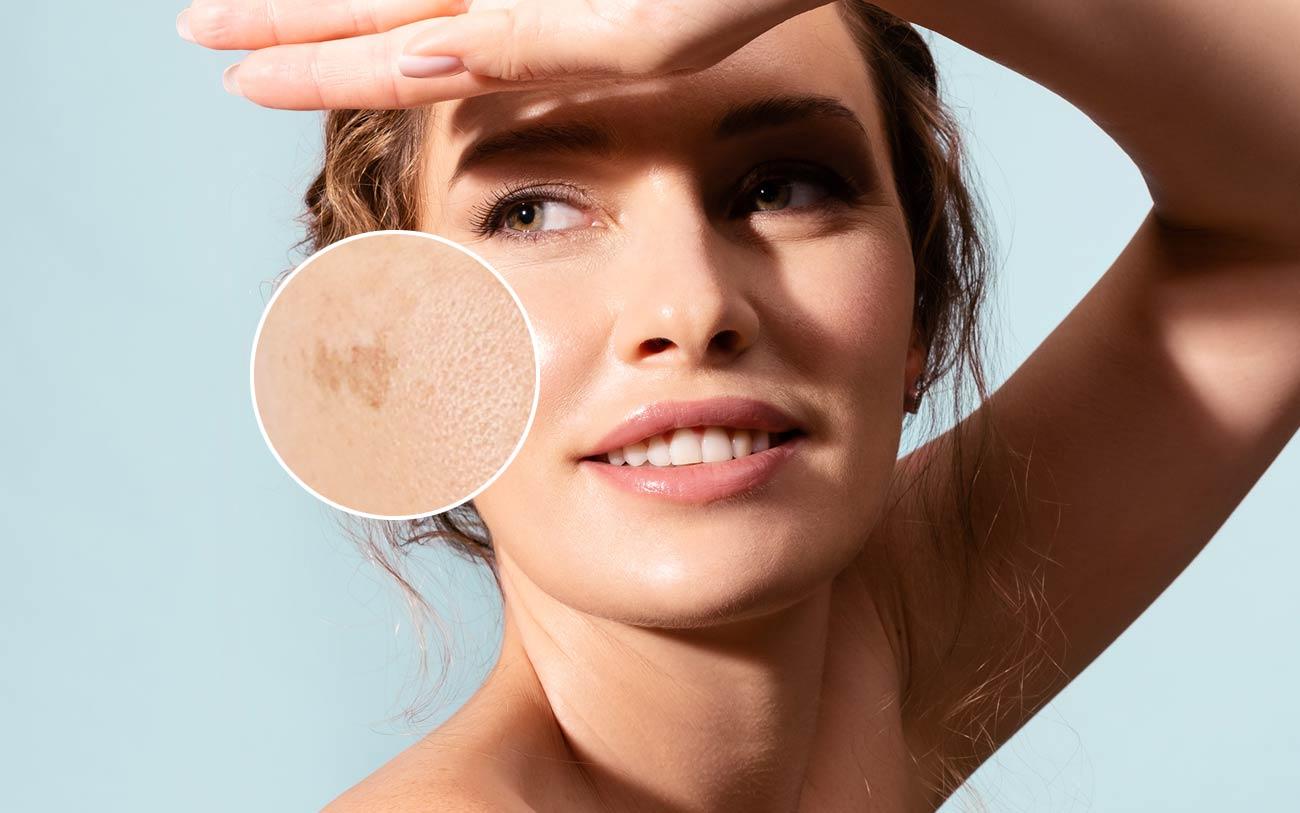
Skin pigmentation in Dubai can appear in subtle ways before becoming a more noticeable concern. A few darker marks, uneven areas around the cheeks or lingering spots after acne may indicate changes in melanin activity. Recognizing these changes early can encourage better daily skin care and help prevent common triggers from making discoloration more noticeable.
Pigmentation does not always look the same. Its color, pattern, location and duration can vary depending on whether it is associated with sunlight, inflammation, hormonal influences or another factor. Paying attention to these differences can help you understand when your skin may benefit from a more focused approach.
Dark Spots That Stay After Acne
One of the most common signs of pigmentation is a dark mark that remains after a blemish has healed. The acne may be gone, but the surrounding area can remain darker for weeks or months.
This is often associated with post-inflammatory hyperpigmentation. Repeated breakouts can create additional marks, making the complexion appear increasingly uneven.
Managing active acne while avoiding picking or squeezing can help reduce the cycle of inflammation and discoloration.
Skin Pigmentation in Dubai After Sun Exposure
If darker areas become more noticeable after spending time outdoors, sunlight may be contributing to the change.
Ultraviolet radiation can stimulate melanin production and intensify existing pigmentation. Areas such as the cheeks, forehead, nose, hands and neck may be particularly exposed.
Consistent sunscreen use and physical protection can help reduce continued UV-related stimulation.
Uneven Tone Across the Face
Pigmentation does not always appear as individual spots. Sometimes the complexion simply begins to look less uniform, with certain areas appearing darker than others.
This can happen gradually and may be associated with cumulative sun exposure, previous inflammation or hormonal changes.
An uneven complexion can be an early reason to reassess your daily skin care and sun protection habits.
Brown Patches on the Cheeks or Forehead
Larger, irregular patches on the face may be associated with melasma or another form of pigmentation.
Melasma commonly affects areas such as the cheeks, forehead, nose and upper lip. Sun exposure can make these patches more visible.
Because different pigmentation concerns can look similar, persistent patches may benefit from appropriate assessment rather than relying solely on appearance.
Pigmentation That Becomes Darker Over Time
A spot that gradually becomes more noticeable may indicate that its underlying trigger is still active.
Continued sun exposure is one possible contributor. Repeated inflammation or irritation can also affect pigment production.
If discoloration consistently becomes darker despite your efforts, reviewing the routine and potential triggers may be useful.
Marks That Appear After Skin Irritation
Pigmentation can sometimes follow irritation caused by products, friction or inflammatory skin conditions.
For people who are prone to post-inflammatory discoloration, even relatively minor irritation may leave a darker area.
This makes skin barrier care particularly important. Avoiding unnecessary scrubbing and harsh products can help reduce repeated irritation.
Why Skin Pigmentation in Dubai Needs Consistent Sun Protection
Daily sun exposure can influence both the development and persistence of pigmentation. Treating dark spots without protecting the skin from UV radiation may limit progress.
Broad-spectrum sunscreen can help reduce exposure, while hats, shade and protective clothing can provide additional support.
Sun protection should continue even after pigmentation appears to improve.
Your Skin Feels Irritated From Your Routine
Persistent burning, tightness, peeling or redness can indicate that your routine is too aggressive.
Using several exfoliating products or strong active ingredients together can weaken the skin barrier and increase sensitivity.
If irritation continues, simplifying the routine may be more helpful than adding additional pigmentation treatments.
Pigmentation Keeps Returning
Some pigmentation concerns can improve and then reappear. This is particularly relevant to melasma and discoloration influenced by ongoing environmental or hormonal factors.
Recurrence does not necessarily mean that previous care failed. It may indicate that the triggers responsible for the pigmentation are still present.
Long-term maintenance can therefore be an important part of pigmentation management.
Dark Areas Are Appearing on the Hands or Neck
The face often receives the most attention, but the hands and neck can also develop visible pigmentation because they are frequently exposed to sunlight.
If these areas are becoming darker, extending your sunscreen routine beyond the face can help provide more consistent protection.
Protective clothing can also reduce direct exposure during prolonged outdoor activities.
Your Current Products Are Not Helping
Another sign that your skin may need a different approach is when pigmentation remains unchanged despite months of consistent care.
This does not automatically mean that stronger products are required. The underlying type of pigmentation may need to be reconsidered.
Using the wrong combination of ingredients can also cause irritation without addressing the actual concern.
When Professional Treatment May Be Appropriate
Persistent pigmentation may sometimes benefit from targeted professional treatment. Depending on the type of discoloration, options can include chemical peels, laser-based procedures, light-based treatments and other approaches.
The most suitable treatment depends on skin tone, pigment depth, sensitivity and the likely cause.
A personalized approach can help avoid unnecessary irritation and inappropriate treatment intensity.
Do Not Ignore Unusual Skin Changes
Not every dark spot should automatically be assumed to be ordinary pigmentation.
If a spot changes significantly in appearance, develops unusual characteristics or behaves differently from surrounding pigmentation, appropriate professional evaluation is important.
This is particularly relevant when a new or changing mark does not resemble your usual pigmentation pattern.
Building Better Skin Habits
Once you notice signs of uneven pigmentation, small daily changes can make a difference.
Use sunscreen consistently, avoid unnecessary friction, keep the skin moisturized and introduce active ingredients gradually.
Managing acne and other sources of inflammation can also reduce the development of additional marks.
Prevention Is Part of Treatment
Pigmentation care should not stop once visible discoloration improves. Continuing preventive habits can help reduce recurrence.
Daily UV protection is especially important because new exposure can stimulate pigment production again.
A sustainable routine is usually more useful than short periods of intensive care followed by inconsistent maintenance.
Final Thoughts
Skin pigmentation in Dubai can appear as persistent acne marks, sun-related spots, uneven facial tone, darker patches or recurring discoloration. Recognizing these changes can help you identify potential triggers and improve your daily skin care habits before the concern becomes more difficult to manage. Consistent sun protection, gentle products and careful management of inflammation can support a more balanced complexion. When pigmentation remains persistent or changes unexpectedly, targeted professional guidance may be appropriate. TAJMEELS CLINIC can help individuals explore suitable options based on their specific pigmentation concerns.
 English
 Arabic
 French
 Spanish
 Portuguese
 Deutsch
 Turkish
 Dutch
Dutch
 Italiano
 Russian
 Romaian
 Portuguese (Brazil)
 Greek
Greek
 Advertise With Us
 About Us
 Terms And Conditions
 Privacy Policy
Mostra tutti i risultati
Privacy Policy
Mostra tutti i risultati