English
 Arabic
 French
 Spanish
 Portuguese
 Deutsch
 Turkish
 Dutch
Dutch
 Italiano
 Russian
 Romaian
 Portuguese (Brazil)
 Greek
Greek
Spider Clothing: The Ultimate Guide to Premium Streetwear Style
Shopping |
2026-06-30 07:49:33
 Advertise With Us
 About Us
 Terms And Conditions
 Privacy Policy
TOON ALLES
Privacy Policy
TOON ALLES

Upgrade to Pro
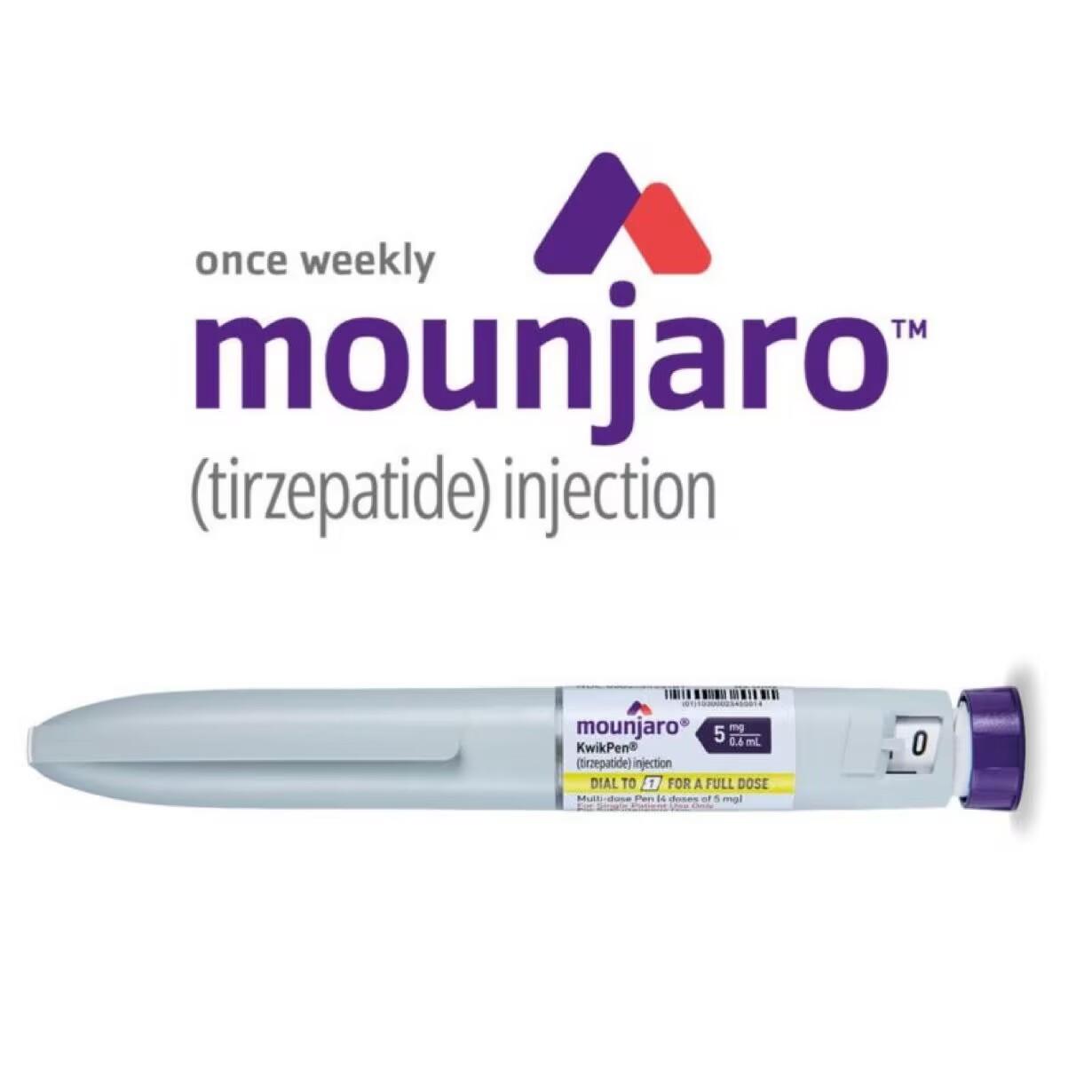
Mounjaro injection in Jeddah is becoming an important topic for individuals exploring medical options for weight management and type 2 diabetes. The medication contains tirzepatide, which works on GIP and GLP-1 receptors involved in appetite regulation, insulin secretion, blood glucose control, and digestion. For people who meet appropriate medical criteria, Mounjaro may become part of a broader treatment plan designed to improve metabolic health.
Understanding how Mounjaro works can help patients make informed decisions. While the medication has shown significant benefits in clinical studies, it is not appropriate for everyone and should be used only under suitable medical supervision. Treatment results can also differ considerably between individuals.
Mounjaro is a prescription injectable medication containing tirzepatide. It is administered through a subcutaneous injection, meaning the medication is delivered into the tissue beneath the skin.
Tirzepatide is different from medications that act on only one hormone pathway because it activates both GIP and GLP-1 receptors.
These hormones naturally participate in the body's response to food. They influence insulin secretion, blood glucose, appetite, and the movement of food through the digestive system.
By affecting these pathways, tirzepatide can help improve blood glucose regulation and may support weight reduction in suitable patients.
Weight is influenced by many biological and environmental factors.
Appetite, genetics, sleep, physical activity, stress, medications, and metabolic health can all affect a person's ability to lose and maintain weight.
For some individuals, repeated dieting attempts may result in temporary weight loss followed by weight regain. Persistent hunger can also make calorie restriction difficult.
Medical weight-management treatments can provide additional support when lifestyle measures alone are not sufficient.
Mounjaro may influence appetite and satiety, making it easier for some patients to control food intake.
Understanding the medication's mechanism can explain why it may have several effects.
GIP and GLP-1 are hormones released in response to food. They are involved in regulating blood glucose and the body's response to meals.
Tirzepatide activates receptors associated with both hormones.
Its effects may include enhanced glucose-dependent insulin secretion, changes in glucagon activity, delayed gastric emptying, and reduced appetite.
These mechanisms work together to influence metabolic health.
Before beginning Mounjaro treatment, a healthcare professional should assess the patient's suitability.
The assessment may involve reviewing:
Medical history
Current medications
Body weight
Body mass index
Blood glucose levels
Existing medical conditions
Previous weight-management attempts
Treatment goals
Patients should provide complete and accurate information.
A thorough assessment helps the healthcare professional determine whether Mounjaro is suitable and how it should be incorporated into the patient's overall treatment plan.
Mounjaro is generally started at a lower dose before being gradually increased according to the prescribed treatment schedule.
The gradual approach allows the body to adapt to the medication.
Patients should not increase the dose without medical advice. Trying to accelerate treatment can increase the likelihood of side effects.
If a patient believes the treatment is not producing the expected results, the issue should be discussed with the healthcare professional.
Mounjaro is administered subcutaneously.
The injection may be given in areas such as the abdomen, thigh, or upper arm, following the product instructions.
Patients who self-administer the medication should receive proper training on the injection device and technique.
The medication must also be stored according to the manufacturer's instructions.
Rotating injection areas can help reduce irritation from repeated injections in one location.
Reduced appetite is one of the reasons tirzepatide can support weight management.
Some patients report feeling satisfied after smaller meals or experiencing less frequent hunger.
This can make portion control easier and may reduce overall calorie consumption.
However, appetite reduction does not mean patients should skip meals or consume extremely small amounts of food.
Adequate nutrition remains essential.
A balanced diet can help support healthy weight loss.
Patients may focus on vegetables, fruits, lean proteins, legumes, whole grains, and appropriate sources of healthy fats.
Protein can be especially important during weight loss because it supports muscle maintenance.
Fiber-rich foods can also contribute to digestive health and satiety.
Because individual nutritional needs vary, patients may benefit from personalized dietary guidance.
Physical activity is another important component of weight management.
Walking and other aerobic exercises can support cardiovascular fitness.
Resistance training can help maintain muscle strength during periods of weight loss.
Patients should choose activities appropriate for their health and fitness level.
Those who are new to exercise can begin gradually and increase activity as tolerated.
Like other prescription medications, Mounjaro can cause side effects.
The most common are generally gastrointestinal and may include nausea, vomiting, diarrhea, constipation, abdominal discomfort, indigestion, and decreased appetite.
These symptoms can occur more frequently during treatment initiation or dose increases.
Patients should discuss persistent or severe symptoms with their healthcare professional.
Hydration is important, especially if gastrointestinal symptoms occur.
Vomiting and diarrhea can cause significant fluid loss.
Patients should monitor their hydration and seek medical advice if they experience persistent symptoms that interfere with fluid intake.
Severe dehydration can require prompt medical treatment.
For patients using Mounjaro for type 2 diabetes, monitoring blood glucose can be an important part of treatment.
Tirzepatide can improve glucose regulation, and its effects may interact with other diabetes medications.
Patients should tell their healthcare professional about all medicines they use.
Any significant changes in blood glucose or symptoms of low blood sugar should be addressed appropriately.
Weight loss should be evaluated over time.
Daily changes on the scale can occur because of hydration, food intake, bowel movements, and other factors.
Longer-term trends provide a more useful picture of treatment response.
Healthcare professionals may also consider waist circumference, blood glucose, physical activity, and general health.
People searching for Mounjaro injection in Jeddah should obtain the medication through appropriate medical and pharmaceutical channels.
Unverified sellers may provide products with uncertain authenticity, storage, or expiration.
Patients should avoid purchasing injectable medications simply because they are advertised at unusually low prices.
Proper medical supervision also ensures that patients receive appropriate instructions and follow-up.
Mounjaro should be considered part of a broader health strategy.
Healthy eating, regular physical activity, adequate sleep, and sustainable routines remain important.
Developing these habits can help support long-term health and may also make it easier to maintain progress.
Medication alone does not guarantee permanent weight management.
Mounjaro injection in Jeddah may provide meaningful medical support for eligible individuals dealing with type 2 diabetes or weight-related concerns. Tirzepatide acts on GIP and GLP-1 pathways, influencing blood glucose regulation, insulin response, appetite, and digestion.
The treatment should be individualized and medically supervised. Patients should follow the prescribed dosage, use the injection correctly, monitor their progress, and report concerning side effects.
Combining appropriate medication with balanced nutrition and regular physical activity can create a more comprehensive approach to metabolic health.
Anyone considering Mounjaro should consult a qualified healthcare professional to determine whether it is appropriate for their individual needs and to understand the potential benefits and risks before starting treatment.