English
 Arabic
 French
 Spanish
 Portuguese
 Deutsch
 Turkish
 Dutch
Dutch
 Italiano
 Russian
 Romaian
 Portuguese (Brazil)
 Greek
Greek
Call Girls in Abu Dhabi +971568169700
Other |
2026-07-23 10:58:39
 Advertise With Us
 About Us
 Terms And Conditions
 Politique de confidentialité
Tout voir
Politique de confidentialité
Tout voir

Mise à niveau vers Pro
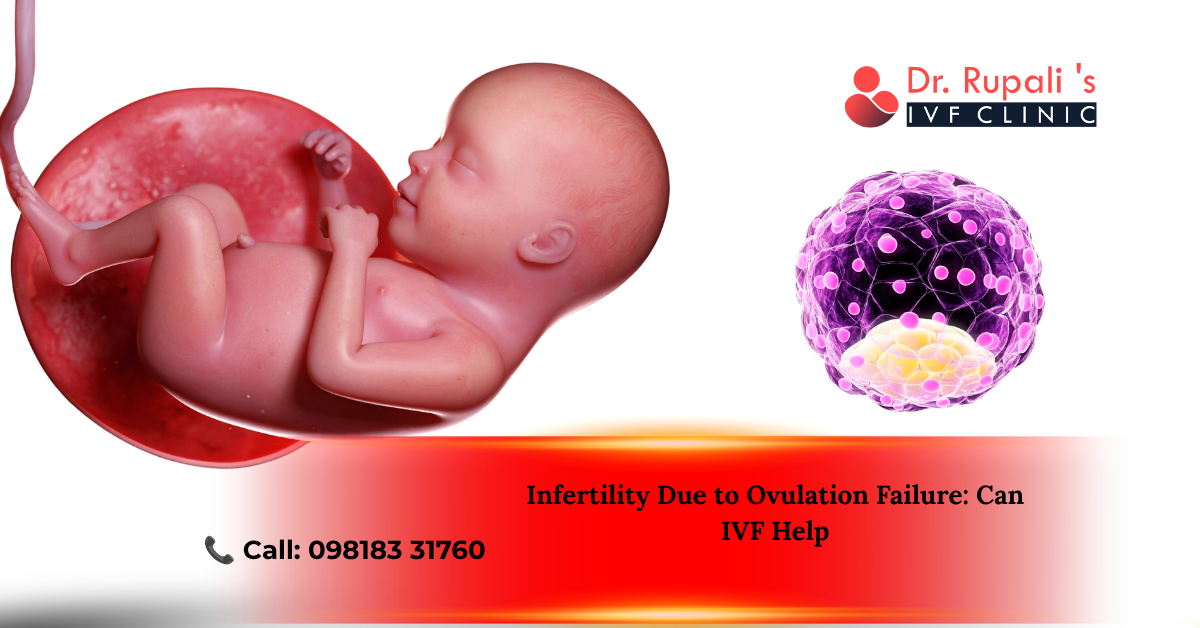
Ovulation is one of the most important steps in getting pregnant. Every month, an egg usually needs to mature and be released from the ovary so it can meet sperm and potentially become an embryo. But what happens when ovulation does not happen regularly—or does not happen at all?
Learn how IVF can help with ovulation failure, available treatments, causes, and when to consider the best IVF treatment in New Delhi
Ovulation failure, also called anovulation, is a common cause of female infertility. It may result from conditions such as PCOS, thyroid problems, high prolactin levels, significant weight changes, excessive exercise, or problems involving the ovaries or reproductive hormones.
The good news is that ovulation failure does not automatically mean you cannot become pregnant. Depending on the underlying cause, medicines that stimulate ovulation may be enough. In some situations, IUI or IVF may be recommended.
If you are considering fertility treatment, understanding your options can help you have a more informed discussion with your fertility specialist.
| Sr# | Headings |
|---|---|
| 1 | What Is Ovulation Failure? |
| 2 | How Does Ovulation Failure Cause Infertility? |
| 3 | Common Causes of Ovulation Failure |
| 4 | Signs You May Not Be Ovulating |
| 5 | How Is Ovulation Failure Diagnosed? |
| 6 | Can Ovulation Failure Be Treated Without IVF? |
| 7 | When Is IVF Recommended for Ovulation Failure? |
| 8 | How IVF Helps When Ovulation Fails |
| 9 | IVF Process for Women With Ovulation Problems |
| 10 | IVF vs. Ovulation Induction: Which Is Better? |
| 11 | Factors That Can Affect IVF Success |
| 12 | Risks and Considerations of IVF |
| 13 | How to Prepare for IVF |
| 14 | Choosing the Best IVF Treatment in New Delhi |
| 15 | Frequently Asked Questions |
Ovulation failure means that an ovary does not regularly release a mature egg. If an egg is not released, sperm cannot fertilize it naturally.
Some women may never ovulate, while others may ovulate only occasionally. Ovulation problems can therefore range from irregular ovulation to complete absence of ovulation.
Ovulatory dysfunction is relatively common among women experiencing infertility and can account for a substantial proportion of female infertility.
Think of ovulation like a train leaving a station. For pregnancy to occur naturally, the egg needs to "leave the station" at the right time. If the train does not arrive or does not leave, sperm cannot meet the egg.
The important point is that ovulation failure is often treatable. The appropriate treatment depends on why ovulation is not occurring.
For natural conception, several things need to happen:
A follicle needs to develop in the ovary.
An egg needs to mature.
The mature egg needs to be released.
Sperm needs to reach the egg.
Fertilization needs to occur.
The resulting embryo needs to travel to and implant in the uterus.
When ovulation fails, the process can stop at step three.
Women who ovulate infrequently may still become pregnant, but predicting the fertile window can be difficult. Women who do not ovulate at all generally require treatment to create an opportunity for an egg to be fertilized.
However, ovulation is not the only factor that determines fertility. A fertility evaluation may also examine the fallopian tubes, uterus, ovarian reserve and sperm factors. ASRM recommends evaluating relevant causes rather than focusing on ovulation alone.
There is no single reason why ovulation stops. Your doctor will usually try to identify the underlying cause before choosing treatment.
PCOS is one of the most common causes of irregular or absent ovulation.
With PCOS, follicles may begin developing but fail to progress normally toward ovulation. Some women with PCOS have long or unpredictable menstrual cycles, while others may have no periods for several months.
Both an underactive and overactive thyroid can affect reproductive function. Thyroid testing may therefore be part of an evaluation when ovulation is irregular.
Prolactin is a hormone associated with breast development and milk production. When prolactin is abnormally elevated outside pregnancy or breastfeeding, it can interfere with reproductive hormone signaling and ovulation.
Being significantly underweight, experiencing rapid weight loss, or having certain nutritional problems can interfere with the hormonal signals required for ovulation.
Very intense or prolonged exercise, particularly when combined with inadequate calorie intake, may disrupt the hormonal system responsible for ovulation.
Problems involving ovarian function can make ovulation difficult or impossible. In some cases of primary ovarian insufficiency, standard ovulation-induction medicines may not work because the ovaries have limited remaining function.
Problems affecting the hypothalamus or pituitary gland can also interfere with the hormones that control ovarian activity.
Finding the cause matters because treatment should address the reason ovulation is failing—not simply the absence of ovulation.
Some women have obvious symptoms, while others may not realize that they are not ovulating.
Possible signs include:
Irregular menstrual cycles
Very long menstrual cycles
Periods that stop for several months
Difficulty becoming pregnant
Unpredictable fertile periods
Symptoms associated with PCOS
Hormonal abnormalities
Very light or unusually heavy menstrual bleeding in some cases
However, having regular periods does not guarantee that ovulation is occurring in every cycle.
If you have been trying to conceive without success, particularly if your periods are irregular or absent, it is worth discussing ovulation with a fertility specialist.
A fertility specialist may use several pieces of information rather than relying on one test.
Your doctor may ask about:
Cycle length
Period frequency
Previous pregnancies
Weight changes
Exercise
Medications
Medical conditions
Symptoms of hormonal problems
A detailed menstrual history can sometimes provide important clues about ovulatory function.
Depending on your symptoms, testing may include hormones such as thyroid-stimulating hormone, prolactin, FSH and estradiol.
For women with amenorrhea, FSH and estradiol can help distinguish different causes of absent periods, including ovarian insufficiency and hypothalamic causes.
A transvaginal ultrasound can help assess the ovaries and uterus and may be used to monitor follicular development during treatment.
Your specialist may also evaluate:
Ovarian reserve
Fallopian tube openness
Uterine health
Semen analysis
This is important because ovulation failure may coexist with another fertility factor.
Yes. IVF is not automatically the first treatment for every woman who does not ovulate.
Treatment depends on the underlying cause.
For some women, correcting an underlying hormonal or lifestyle issue may help restore ovulation. For others, fertility medicines may be used to stimulate the ovaries.
Oral medicines such as letrozole or clomiphene citrate may be used in appropriate patients. Injectable gonadotropins may also be considered when other approaches do not work or when clinically appropriate.
Treatment may sometimes be combined with timed intercourse or intrauterine insemination (IUI).
The aim is often relatively simple: help a mature egg develop, release it at the right time, and create an opportunity for sperm to fertilize it.
So, if ovulation can sometimes be treated with medicines, why would someone need IVF?
There are several possible reasons.
IVF may be considered when:
Ovulation-induction medicines have not resulted in pregnancy
There are additional fertility factors
Fallopian tubes are blocked or severely damaged
Male-factor infertility is present
Age or ovarian reserve makes time an important consideration
Other fertility treatments have not been successful
A couple has multiple factors affecting fertility
The fertility specialist believes IVF offers a more appropriate treatment pathway
IVF can also be useful because it does not depend on the egg being released into the fallopian tube for fertilization.
Instead, eggs are collected from the ovaries and fertilized in a laboratory. The resulting embryo can then be transferred into the uterus.
This is where IVF can make a significant difference.
During an IVF cycle, fertility medicines are used to stimulate the ovaries so that multiple follicles can develop. The developing follicles are monitored with ultrasound and, when appropriate, blood tests.
Once the eggs are ready, a trigger medication is used to prepare for egg retrieval. The eggs are then collected using a procedure guided by ultrasound.
The eggs are fertilized with sperm in the laboratory. Depending on the circumstances, conventional fertilization or intracytoplasmic sperm injection (ICSI) may be used.
After fertilization, embryos are monitored in the laboratory. An embryo may subsequently be transferred into the uterus.
Therefore, IVF does not require natural ovulation for the egg and sperm to meet inside the fallopian tube.
That is one reason IVF can be helpful for some women with significant ovulatory dysfunction.
ACOG describes IVF as an assisted reproductive technology in which eggs and sperm are handled outside the body, followed by embryo transfer into the uterus.
Although protocols differ from person to person, an IVF cycle generally includes several stages.
Before treatment begins, your fertility specialist reviews your medical history and fertility tests.
The evaluation may include ovarian reserve testing, ultrasound, hormone testing, tubal assessment and semen analysis where appropriate.
Medications are given to encourage multiple follicles to develop.
This is different from simple ovulation induction, where the goal is generally to achieve development and release of one mature egg.
Ultrasound examinations and sometimes hormone measurements help the medical team determine how the ovaries are responding.
Careful monitoring is important because fertility medicines can produce an excessive ovarian response in some patients.
When follicles have developed appropriately, a trigger medication may be administered to support final egg maturation.
Mature eggs are collected from the ovaries using an ultrasound-guided procedure.
The collected eggs are combined with sperm in the laboratory. ICSI may be recommended in selected cases.
Fertilized eggs are monitored as they develop into embryos.
An embryo may be transferred into the uterus. In some circumstances, embryos are frozen for later transfer instead.
After embryo transfer, the fertility team will advise you when to take a pregnancy test.
Every IVF cycle is individualized. Your age, ovarian reserve, diagnosis, previous treatment and response to medication can all influence the treatment plan.
There is no universal answer.
For a woman whose only fertility problem is anovulation, ovulation induction may be a reasonable initial treatment if the underlying cause is treatable and there are no significant additional fertility factors.
For example, women with PCOS often respond to ovulation-induction treatment. ASRM notes that many women with PCOS respond to oral medications, although some may require additional treatment.
IVF may become more appropriate when simpler treatments fail or when other factors make IVF more advantageous.
| Ovulation Induction | IVF |
|---|---|
| Encourages ovulation | Stimulates ovaries and retrieves eggs |
| Usually less invasive | More involved treatment |
| Fertilization occurs inside the body | Fertilization occurs in the laboratory |
| May be suitable for isolated ovulation problems | May help when multiple fertility factors exist |
| May be combined with timed intercourse or IUI | Allows embryo selection and transfer |
| Generally less complex | Requires egg retrieval and laboratory treatment |
The right choice should be based on your individual fertility diagnosis, rather than simply choosing the most advanced treatment.
It is natural to ask, "Will IVF definitely work?"
Unfortunately, no fertility treatment can guarantee pregnancy.
IVF outcomes can be influenced by several factors, including:
Age
Ovarian reserve
Egg quality
Embryo quality
Sperm quality
Uterine health
Underlying medical conditions
Previous fertility treatment
Lifestyle factors
Clinic and laboratory expertise
Age is particularly important because female fertility generally declines over time, with changes in egg number and quality.
This is why women with prolonged infertility or significant ovulatory problems should avoid delaying evaluation unnecessarily.
IVF is widely used, but it is still a medical treatment and has potential risks.
Some women can develop ovarian hyperstimulation syndrome (OHSS), particularly after ovarian stimulation.
Modern fertility treatment uses monitoring and individualized protocols to reduce the risk.
Multiple pregnancy can occur when more than one embryo implants. Multiple pregnancies carry higher pregnancy and delivery risks than singleton pregnancies.
Egg retrieval is generally performed under medical supervision, but—as with any procedure—there can be complications.
IVF can involve multiple appointments, medications, procedures and uncertainty. The emotional and financial aspects should also be considered when planning treatment.
A good fertility clinic should explain the potential benefits, limitations, alternatives and risks before you begin.
If your fertility specialist recommends IVF, preparation can make the process more manageable.
IVF medications need to be taken according to your treatment plan. Do not change doses without speaking with your medical team.
Ultrasound and blood testing help your fertility team adjust treatment safely.
Tell your doctor about all medications, supplements and medical conditions before starting treatment.
A balanced diet, regular physical activity appropriate for your health, adequate sleep and avoiding smoking can support general reproductive health.
Do not hesitate to ask:
Why is IVF recommended for me?
What caused my ovulation problem?
Are there alternatives?
What medications will I need?
How many visits are expected?
What are the possible risks?
What is the estimated treatment timeline?
Understanding your treatment plan can make the IVF journey feel less overwhelming.
If you are looking for the best IVF treatment in New Delhi, avoid choosing a clinic based only on advertising, success-rate claims or price.
Instead, look at the overall quality of care.
Choose a specialist who regularly manages ovulatory disorders and can explain why a particular treatment is appropriate for you.
IVF is not only about the doctor. The embryology laboratory plays an important role in fertilization, embryo culture and embryo handling.
A good treatment plan should be based on your age, ovarian reserve, diagnosis, medical history and previous fertility treatment.
Ask how success rates are calculated and whether they apply to patients of your age and fertility diagnosis.
A single percentage should never be treated as a guarantee.
Fertility treatment can involve many decisions. You should feel comfortable asking questions and understanding your options.
When searching for the best IVF treatment in New Delhi, the goal should not simply be to find the most expensive or technologically advanced treatment. It should be to find the treatment that is appropriate for your specific fertility needs.
Ovulation failure can make natural conception difficult, but it does not mean that pregnancy is impossible. Many women can achieve ovulation with appropriate treatment, while others may benefit from IUI or IVF.
The most important step is identifying the reason ovulation is failing. Once the cause is understood, your fertility specialist can recommend a treatment plan that fits your circumstances.
For some women, medication may be enough. For others, IVF can provide a valuable pathway by allowing eggs to be collected, fertilized outside the body and transferred as an embryo.
If you are considering the best IVF treatment in New Delhi, speak with a qualified fertility specialist for an individualized evaluation rather than relying on general success rates or online claims.
Yes, pregnancy may still be possible with fertility treatment. Depending on the cause, ovulation-induction medicines, IUI or IVF may be considered.
No. IVF is not automatically required. Some women respond well to treatment designed to restore or induce ovulation. IVF may be considered when simpler treatments are unsuccessful or when other fertility factors are present.
Yes. Many women with PCOS can ovulate with medication, but IVF may be considered when other treatments do not achieve pregnancy or when additional fertility factors are present.
IVF can sometimes help because fertility medicines are used to stimulate follicle development and eggs are retrieved directly from the ovaries. However, treatment may be more complicated when ovarian function is significantly reduced.
Look for a qualified fertility specialist, a well-equipped embryology laboratory, individualized treatment planning, transparent communication and appropriate counseling about benefits, risks and alternatives. Your doctor should recommend treatment based on your individual fertility evaluation rather than a one-size-fits-all approach.