English
 Arabic
 French
 Spanish
 Portuguese
 Deutsch
 Turkish
 Dutch
Dutch
 Italiano
 Russian
 Romaian
 Portuguese (Brazil)
 Greek
Greek
Tinjauan Sistemis Ekosistem Informasi Jokispin: Infrastruktur Keamanan, Pengelolaan Hak Akses, dan Operasional Layanan Daring
Fitness |
2026-08-03 12:50:31
 Advertise With Us
 About Us
 Terms And Conditions
 Privacy Policy
Mostra tutti i risultati
Privacy Policy
Mostra tutti i risultati

Passa a Pro
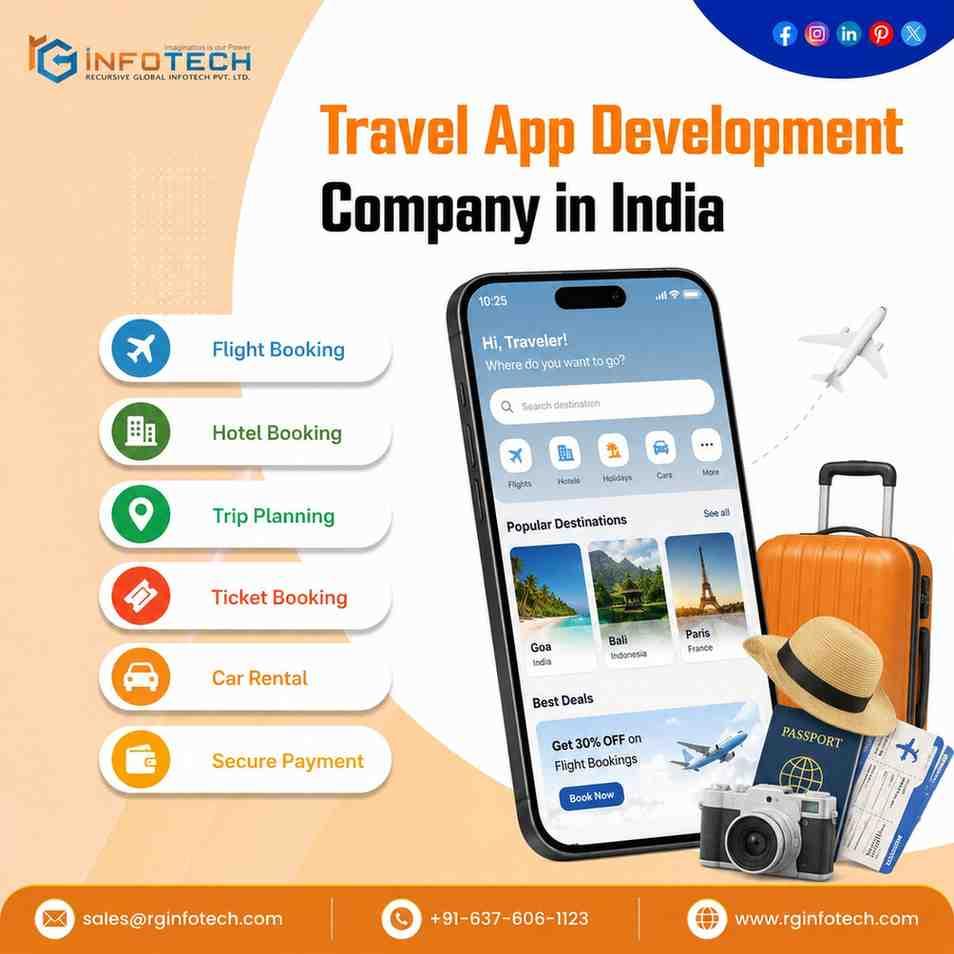
The way people plan and experience travel has changed significantly. Travelers no longer depend entirely on travel agents, printed maps, or multiple websites to organize a trip. Today, smartphones have become essential travel companions, helping users discover destinations, compare prices, book accommodation, navigate unfamiliar locations, manage itineraries, and communicate while abroad.
As competition in the travel technology market continues to grow, simply launching a basic booking application is no longer enough. Modern travelers expect convenience, personalization, security, and real-time information throughout their journey.
For businesses planning to enter this market, understanding the features users expect is essential. Here are the 10 must-have features every modern travel application should have in 2026.
Artificial intelligence is becoming one of the most valuable technologies in travel applications. Instead of showing the same destinations and activities to everyone, AI can analyze user preferences and provide personalized recommendations.
An app can consider previous searches, travel history, budget, interests, preferred activities, and trip duration to recommend destinations, hotels, restaurants, and attractions.
AI can also create personalized itineraries and adjust recommendations when circumstances change.
This feature helps users discover relevant options faster while giving travel businesses opportunities to increase engagement and conversions.
Location-based services are essential for modern travel applications. Travelers need accurate directions when exploring unfamiliar destinations, finding attractions, locating restaurants, or reaching hotels and transportation points.
GPS integration can provide:
Turn-by-turn navigation
Nearby attractions
Restaurants and hotels
Tourist information
Transportation options
Distance and estimated travel time
Location-based recommendations
Real-time location tracking can also be useful for airport transfers, guided tours, and vehicle rental services.
Travelers expect to complete bookings without leaving the application. A modern travel app should provide a smooth reservation experience for hotels, flights, transportation, tours, and activities where applicable.
Users should be able to search, compare, select, and confirm bookings through a simple interface.
Important functionality includes availability checking, booking confirmation, cancellation management, digital receipts, and reservation history.
Reducing the number of steps required to complete a booking can improve user satisfaction and increase conversion rates.
Payment functionality is another critical component of a travel application. Users should be able to pay for services conveniently using trusted payment methods.
Depending on the target market, applications can support credit and debit cards, digital wallets, bank transfers, and region-specific payment options.
Security should remain a priority. Secure payment gateways, encryption, authentication, transaction monitoring, and appropriate fraud-prevention measures can help protect financial information.
For international travel applications, multi-currency support can make payments even more convenient.
Travelers often manage multiple reservations and activities during a single trip. A smart itinerary feature can organize this information in one place.
Users should be able to view flights, hotel reservations, transportation, activities, and planned events according to date and time.
The application can send reminders about upcoming bookings and suggest changes when schedules overlap.
AI can further enhance this feature by recommending activities based on the user's available time and location.
A well-designed itinerary manager can turn a travel application into a complete digital travel companion rather than just a booking platform.
Travel plans can change unexpectedly. Flight delays, cancellations, weather conditions, traffic problems, and changes to bookings can affect a traveler's experience.
Push notifications allow travel applications to provide timely information.
Useful alerts can include:
Flight status updates
Booking reminders
Check-in notifications
Weather alerts
Traffic updates
Cancellation information
Local event notifications
Changes to itineraries
Notifications should be relevant and personalized to avoid overwhelming users with unnecessary messages.
Travel applications often serve users from different countries and regions. Providing multilingual functionality can make the application accessible to a broader audience.
Users should be able to select their preferred language and, where relevant, view prices in their preferred currency.
A multilingual interface can be particularly valuable for international tourism platforms targeting users across multiple geographic markets.
Translation tools can also help travelers communicate basic phrases, understand local information, and navigate unfamiliar environments.
Travelers frequently rely on reviews before choosing hotels, restaurants, tours, attractions, and other services. A modern travel app should provide a trustworthy review and rating system.
Users can share their experiences, upload photographs, rate services, and provide recommendations.
Social features can also allow travelers to save favorite destinations, create wish lists, share itineraries, and recommend experiences to friends.
User-generated content can increase engagement while providing valuable insights to people planning future trips.
Travel businesses can use these insights to improve their services and understand customer expectations.
Internet connectivity cannot always be guaranteed during travel. Users may visit remote destinations, experience poor network coverage, or avoid expensive roaming charges.
Offline functionality can allow travelers to access important information without a continuous internet connection.
Useful offline features include:
Downloaded maps
Saved itineraries
Booking confirmations
Destination guides
Emergency information
Travel documents
Important contact details
Offline capabilities can significantly improve the reliability of an application, particularly for international travelers.
Travel applications collect valuable information, including names, contact details, passport-related information, payment details, travel plans, and location data. Protecting this information should be a fundamental priority.
Applications should implement appropriate security measures such as encrypted data transmission, secure authentication, role-based access, protected APIs, secure payment processing, and regular security testing.
Privacy controls should also clearly explain how user information is collected, stored, processed, and shared.
A strong security framework can protect users while helping businesses build trust and maintain their reputation.
While these ten features provide a strong foundation, travel businesses can differentiate their applications by introducing advanced functionality based on their target audience.
Additional options may include:
AI travel assistants
Augmented reality destination guides
Voice search
Virtual tours
Travel expense tracking
Emergency assistance
Carbon footprint tracking
Smart hotel recommendations
Loyalty and rewards programs
Personalized travel deals
The right features should always be selected according to the business model and customer requirements rather than adding technology without a clear purpose.
Before beginning development, businesses should identify their target audience and determine the specific problem the application will solve. A platform focused on business travelers will have different requirements from one designed for backpackers, families, luxury travelers, or adventure tourists.
Developing an MVP can help businesses test their concept with essential features before investing in advanced capabilities. Once user feedback is collected, additional functionality can be introduced based on actual demand.
Working with an experienced Travel App Development Company can help businesses select the right technology stack, design intuitive interfaces, integrate travel APIs, implement security measures, and develop a scalable architecture.
The application should also be designed to handle increasing users, bookings, transactions, and data as the business grows.
Travelers now expect digital experiences tailored to their individual preferences. Generic recommendations are becoming less effective as users have access to numerous travel platforms.
AI and data analytics can help businesses understand customer behavior and provide more relevant suggestions. Personalized destinations, activities, offers, and itineraries can improve engagement and encourage repeat usage.
However, personalization must be implemented responsibly. Businesses should use appropriate privacy controls and transparent data practices when processing customer information.
A successful travel application in 2026 needs to offer much more than basic booking functionality. AI-powered recommendations, GPS navigation, seamless reservations, secure payments, smart itineraries, real-time alerts, multilingual support, reviews, offline access, and strong security can create a complete digital travel experience.
Businesses should prioritize features according to their target audience, geographic market, and long-term goals. Starting with an MVP and gradually introducing advanced capabilities can help control development costs while allowing the product to evolve based on user feedback.
Choosing the right App Development Company can also make a significant difference in transforming a travel concept into a reliable, scalable, and market-ready application.