English
 Arabic
 French
 Spanish
 Portuguese
 Deutsch
 Turkish
 Dutch
Dutch
 Italiano
 Russian
 Romaian
 Portuguese (Brazil)
 Greek
Greek
A Definitive Guide to the Classifications and Various Chatbots Market Types
Other |
2026-06-29 05:00:50
 Advertise With Us
 About Us
 Terms And Conditions
 سياسة الخصوصية
عرض كل النتائج
سياسة الخصوصية
عرض كل النتائج

ترقية الحساب
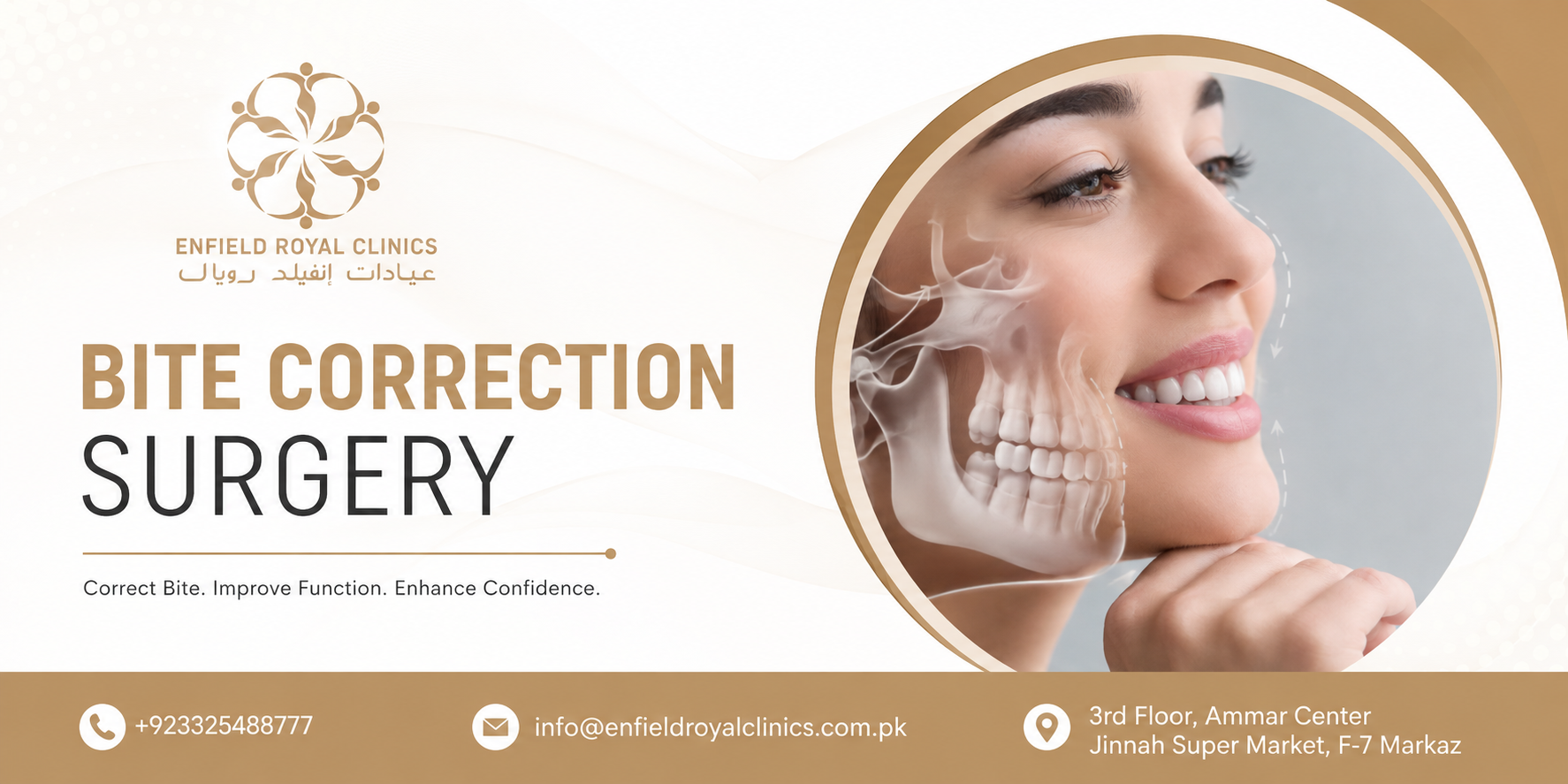
Eating after jaw surgery is an important part of recovery. Patients who undergo Bite Correction Surgery often wonder when they can return to their usual diet and whether they will be able to chew normally again. Because the jawbones need time to heal after surgery, eating habits usually have to change temporarily.
The exact timeline varies from patient to patient. The type of surgery, healing progress, jaw stability, and instructions from the surgical team all influence when normal foods can safely be introduced. Following the recommended diet is important because eating hard or chewy foods too early may place unnecessary stress on healing jaw structures.
Bite Correction Surgery involves repositioning the jawbones to improve their relationship and correct significant bite problems. After the procedure, the bones need time to heal and become stable.
Chewing creates pressure through the teeth and jaws. During the early recovery period, excessive chewing may interfere with healing or cause unnecessary discomfort. For this reason, patients are commonly advised to follow a carefully planned diet.
The diet usually progresses gradually as healing improves rather than changing directly from liquids to a completely normal diet.
Immediately after surgery, eating can be difficult because of swelling, stiffness, and limited jaw movement. Depending on the procedure and the surgeon's instructions, patients may initially need liquids or very soft foods.
Examples may include:
The focus during this stage is usually on adequate nutrition and hydration without placing unnecessary pressure on the jaws.
Patients should follow the specific dietary instructions provided by their surgical team because recommendations can differ according to the procedure.
As early healing progresses, patients may gradually move toward soft foods that require little chewing. The timing depends on how the jaw is healing and the type of surgical correction performed.
Soft foods can provide more variety while still minimizing pressure on the jaw. Options may include mashed vegetables, soft eggs, tender foods prepared appropriately, porridge, and other easy-to-eat meals.
Patients should introduce foods according to their healthcare provider's instructions rather than relying on a general timeline.
Chewing is usually reintroduced gradually. After Bite Correction Surgery, the jaw may feel stiff or uncomfortable, and the muscles involved in chewing may need time to adapt to the new jaw position.
Your surgeon will determine when gentle chewing is appropriate based on healing and jaw stability. Even after a patient feels better, the bones may still be healing internally.
Starting chewing too early or choosing foods that require significant force can place unnecessary stress on the surgical area.
The transition to solid foods generally happens gradually. As healing progresses and the surgical team confirms that the jaws are sufficiently stable, patients may begin adding foods with more texture.
Initially, foods should generally remain relatively easy to chew. Hard, crunchy, sticky, or tough foods may need to be avoided for longer.
The exact timing varies according to the individual's surgery and recovery. Some patients progress faster, while others require additional time before returning to a broader diet.
During recovery from Bite Correction Surgery, patients may be advised to avoid foods that require significant chewing or could put excessive pressure on the jaw.
These may include:
The surgical team can provide a more specific list based on the patient's procedure.
Hydration is important throughout recovery. However, patients may receive specific instructions about how to drink during the early stages.
Depending on the surgical procedure, the healthcare team may recommend avoiding certain drinking methods or using specific techniques to protect healing tissues.
Patients should follow their surgeon's instructions rather than assuming that normal drinking habits are immediately appropriate.
Difficulty eating is common during the early recovery period. Swelling, reduced mouth opening, stiffness, and changes in bite sensation can make normal meals challenging.
Eating smaller meals more frequently can sometimes make it easier to maintain adequate nutrition. Soft foods can also provide important calories and nutrients without requiring extensive chewing.
If eating becomes unusually difficult or the patient cannot maintain adequate hydration or nutrition, they should contact their healthcare provider for guidance.
After Bite Correction Surgery, the bite may initially feel unfamiliar. The jaws have been repositioned, and swelling and muscle stiffness can affect how the teeth come together.
As healing progresses, the bite generally becomes more comfortable. If orthodontic treatment is part of the overall treatment plan, braces or aligners may continue making adjustments after surgery.
It can take time for patients to become accustomed to their new bite and chewing pattern.
No. Recovery is highly individual. The type of surgery, whether one or both jaws were treated, healing progress, and the surgeon's recommendations all influence dietary progression.
Two patients who undergo similar procedures may still receive different recommendations because their healing responses can differ.
Patients should therefore avoid comparing their eating timeline with someone else's recovery.
Preparing appropriate foods before surgery can make recovery more convenient. Patients may benefit from having nutritious soft foods available at home and planning meals that require minimal chewing.
It is also important to stay hydrated and follow any nutritional recommendations provided by the healthcare team.
Good oral hygiene should also be maintained according to the postoperative instructions to help support oral health during healing.
The dietary plan after Bite Correction Surgery is designed around the patient's specific surgical procedure and healing stage. Following it helps reduce unnecessary pressure on the jaw while providing the body with the nutrition needed during recovery.
Returning to normal foods too quickly may create problems, while staying on a restricted diet longer than necessary may also make nutrition more difficult.
Your surgeon or dental team can tell you when it is safe to progress from one stage to the next.
So, when can you eat normally after Bite Correction Surgery? There is no universal date because every patient's recovery is different. Most patients progress gradually from liquids or very soft foods to soft meals and eventually to more normal foods as the jaw heals.
The important point is not to rush the process. Hard, chewy, or crunchy foods should only be reintroduced when the surgical team confirms that the jaws are sufficiently healed.
Following dietary instructions, maintaining hydration, and attending follow-up appointments can help support a safe and comfortable recovery.
For more information visit Enfield royal clinic in islamabad