English
 Arabic
 French
 Spanish
 Portuguese
 Deutsch
 Turkish
 Dutch
Dutch
 Italiano
 Russian
 Romaian
 Portuguese (Brazil)
 Greek
Greek
How Can Freshers Start Their Journey Toward a Generative AI and ML Career?
Other |
2026-07-28 08:59:58
 Advertise With Us
 About Us
 Terms And Conditions
 سياسة الخصوصية
عرض كل النتائج
سياسة الخصوصية
عرض كل النتائج

ترقية الحساب
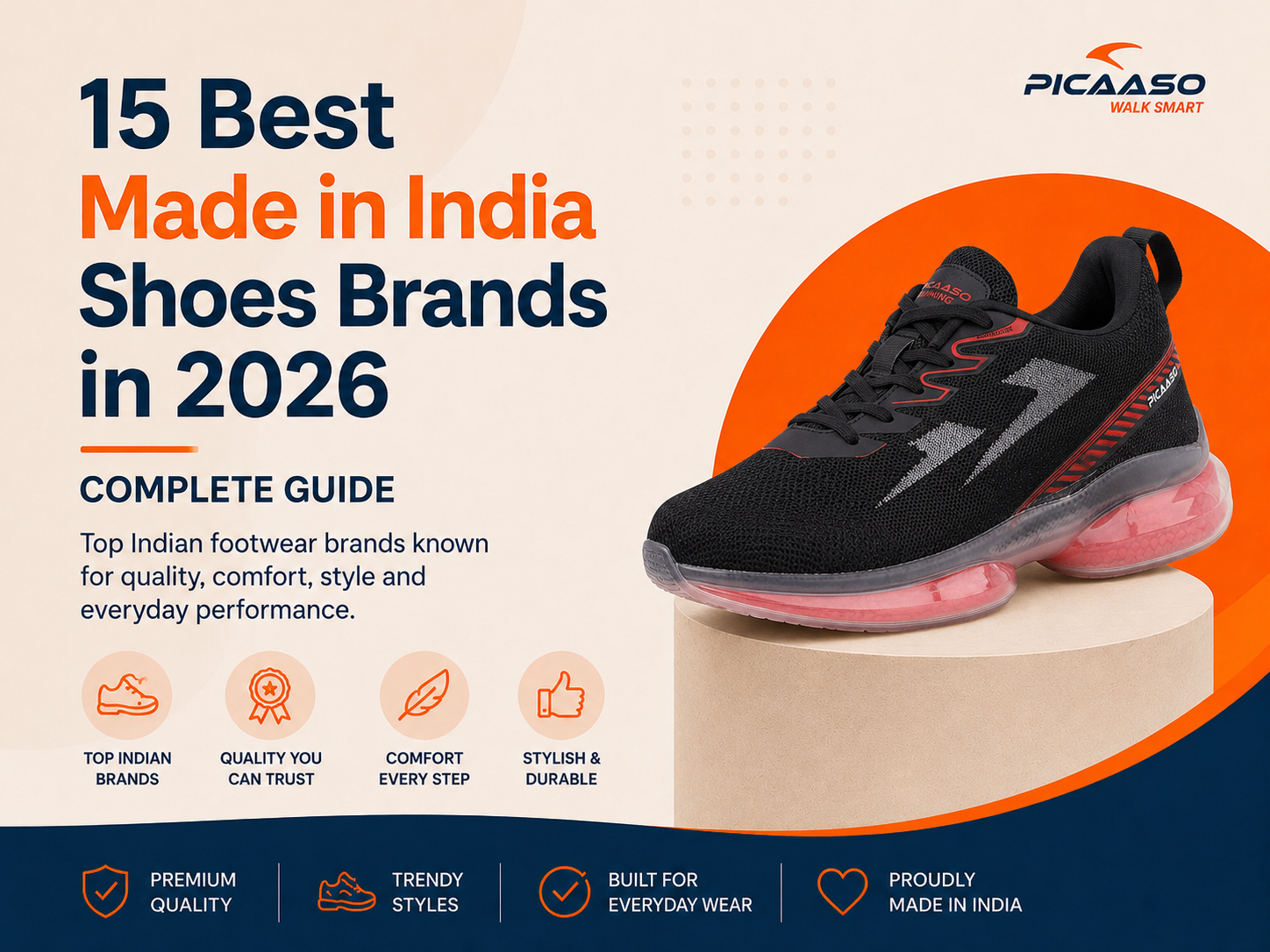
The footwear market in India includes a wide mix of brands, manufacturers and suppliers producing products for daily wear, sports, casual use and fashion. Because of this variety, buyers should not rely only on the brand name while selecting footwear.
A better approach is to check where the product is manufactured, which materials are used and whether the footwear matches the intended purpose.
Made in India footwear refers to products that are actually manufactured within India. This is different from simply buying from an Indian-owned or India-based brand.
People exploring different Made in India shoe brands should check product-specific information before deciding whether a particular pair is locally manufactured.
Useful details include:
Footwear performance depends greatly on the materials used during production.
Common footwear materials include EVA, PU, rubber, TPR, textile mesh and synthetic compounds. Each material may provide different levels of flexibility, cushioning, durability and weight.
For example, lightweight sole materials may be suitable for everyday footwear, while sports and outdoor footwear may require additional grip and structural support.
A footwear brand represents the identity under which products are marketed. Manufacturing origin shows where the actual product was produced.
These two details should not automatically be treated as the same.
While comparing Indian footwear companies, buyers should review the manufacturing information of the specific product rather than assuming that every product from the brand has the same origin.
Several practical factors should be considered before purchasing footwear.
Fit: Shoes should match the user's foot size and shape.
Comfort: Cushioning and support should suit the intended use.
Material: The upper and sole materials influence durability and flexibility.
Grip: Outsole design should provide suitable traction.
Construction: Stitching, bonding and finishing should be properly checked.
Origin: Buyers specifically looking for Indian-made footwear should verify the country of manufacture.
Wholesalers and retailers may need to evaluate additional factors when sourcing footwear.
These can include:
This helps business buyers compare suppliers beyond just the selling price.
India has a broad footwear ecosystem consisting of consumer brands, manufacturers and businesses serving domestic and international markets.
Whether footwear is being purchased for personal use or bulk sourcing, buyers should compare manufacturing origin, materials, comfort, construction and intended use. Checking these details can lead to a more informed footwear choice.