English
 Arabic
 French
 Spanish
 Portuguese
 Deutsch
 Turkish
 Dutch
Dutch
 Italiano
 Russian
 Romaian
 Portuguese (Brazil)
 Greek
Greek
Why the Wall-Mounted Kitchen Chimney Market Is Growing Rapidly in 2026
Networking |
2026-08-06 05:34:01
 Advertise With Us
 About Us
 Terms And Conditions
 Privacy Policy
Mostra tutti i risultati
Privacy Policy
Mostra tutti i risultati

Passa a Pro
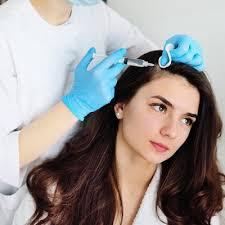
Hair loss can gradually change the way you feel about your appearance. Thinning hair, a widening part, a receding hairline, or reduced density around the crown can affect confidence and make everyday styling more difficult. While hair loss has many possible causes, advances in aesthetic and regenerative treatments have created several options for people looking for non-surgical solutions.
PRP hair treatment in Abu Dhabi has become a popular choice for people who want to support their existing hair follicles without undergoing a hair transplant. PRP, or platelet-rich plasma, uses components taken from the patient's own blood and introduces the concentrated plasma into selected areas of the scalp.
The treatment is designed to support the scalp environment and encourage healthier-looking hair growth. Although results vary from person to person, PRP may be particularly useful for individuals experiencing certain types of early or moderate hair thinning.
Platelet-rich plasma is a concentrated portion of blood that contains platelets and naturally occurring growth factors. These components play an important role in the body's natural repair processes.
During PRP hair treatment, a small blood sample is collected and processed to separate the platelet-rich plasma. The prepared PRP is then introduced into areas of the scalp where hair thinning or reduced density is present.
Unlike a hair transplant, PRP does not involve moving hair follicles from one area of the scalp to another. Instead, it focuses on supporting the follicles that are already present.
This makes it an appealing option for people who want a minimally invasive approach to addressing certain hair concerns.
There are several reasons people consider PRP when looking for solutions for thinning hair.
PRP does not require surgical incisions or the removal and transplantation of hair follicles. The treatment uses small injections to deliver the prepared plasma to targeted areas.
One notable feature of PRP is that the plasma is obtained from the patient's own blood. This makes the procedure different from treatments that introduce manufactured materials into the scalp.
PRP is intended to support existing follicles rather than create new follicles. This can make it more suitable for people who still have viable hair follicles in areas affected by thinning.
Because PRP is minimally invasive, recovery is generally much easier than recovery from a surgical hair restoration procedure. Temporary redness, tenderness, or swelling can occur but typically settles with time.
The treatment generally follows a few basic stages.
A professional examines the scalp and hair pattern to understand the nature of the hair loss. The treatment history, general health, and individual goals may also be discussed.
This stage is important because hair loss can have different causes, and PRP may not be suitable for everyone.
A small amount of blood is collected from the patient.
The sample is then prepared using specialized equipment to separate the desired components.
The blood sample is processed to concentrate the platelets and plasma. The resulting PRP contains growth-factor-rich components that are used during the treatment.
The prepared PRP is applied through small injections into selected areas of the scalp. The treatment is focused on areas where hair thinning or reduced density is noticeable.
The potential PRP hair treatment in Abu Dhabi benefits can make it an attractive option for people dealing with certain types of hair thinning.
Possible benefits include:
However, PRP should not be viewed as a guaranteed cure for hair loss. Individual results can depend on the cause and severity of hair loss, age, genetics, overall health, and the condition of the hair follicles.
PRP may be considered for adults experiencing certain patterns of hair thinning where viable follicles are still present.
People who may be evaluated for treatment include those with:
A consultation is essential because some types of hair loss may require a different treatment approach.
For example, advanced hair loss involving areas where follicles are no longer viable may not respond to PRP in the same way as early thinning.
Yes. PRP can be considered by both men and women.
Men may seek treatment for early recession, crown thinning, or general reduction in hair density. Women may consider PRP for diffuse thinning, increased visibility of the scalp, or changes in hair density.
However, the underlying cause should always be investigated.
Hair loss can be associated with genetics, hormonal changes, nutritional deficiencies, stress, certain medications, medical conditions, or scalp problems. Identifying the cause can help determine whether PRP is appropriate.
PRP treatment does not usually require a lengthy recovery period.
You may experience temporary scalp sensitivity, redness, swelling, or mild discomfort following the procedure. These effects can vary between individuals.
Aftercare recommendations may include avoiding unnecessary irritation of the scalp and following specific instructions provided by your treatment professional.
It is important not to judge the results immediately after treatment because hair growth occurs gradually.
Hair growth is naturally a slow process, so PRP results generally take time.
Some people may notice changes in hair shedding or texture before visible improvements in density. Others may require several treatment sessions before noticeable changes become apparent.
The response depends on the individual and the underlying cause of hair loss.
A treatment professional can explain what type of improvement may be realistic based on your scalp and hair condition.
There is no single number of sessions that works for everyone.
The recommended treatment schedule may depend on:
A series of sessions may be suggested, followed by maintenance treatments when appropriate.
Following the recommended schedule can be important because hair restoration is usually a gradual process rather than a one-time transformation.
PRP and hair transplantation serve different purposes.
A hair transplant involves transferring hair follicles from a donor area to areas with significant hair loss. PRP does not relocate follicles.
Instead, PRP focuses on supporting existing follicles. This makes it potentially suitable for individuals who have thinning hair but still have viable follicles in the affected areas.
In some hair restoration plans, PRP and transplantation may be considered complementary rather than competing options.
PRP should not automatically be considered a permanent solution for hair loss.
The underlying cause of hair loss can continue to influence hair density over time. Some people may require maintenance treatment or additional approaches to support their results.
Long-term hair management may involve a combination of professional treatments, healthy lifestyle habits, scalp care, and treatment of underlying causes.
Your daily habits can also contribute to overall hair health.
Consider:
These habits do not replace professional treatment, but they can support your overall hair-care routine.
Before undergoing PRP, consider whether the treatment matches your specific hair-loss pattern.
A professional assessment should ideally cover:
Having realistic expectations is especially important. PRP may improve the appearance and health of existing hair in suitable candidates, but it cannot guarantee complete restoration.
For people searching for a minimally invasive approach to hair thinning, PRP hair treatment in Abu Dhabi can be an option worth discussing with a qualified professional.
The treatment does not require surgical transplantation and uses the patient's own blood components. It may be especially appealing for individuals experiencing early-stage thinning who want to support the health of their existing follicles.
Choosing a reputable facility and receiving a proper assessment can help ensure that the treatment plan is appropriate for your individual needs.
No. PRP may not be suitable for every type or stage of hair loss. An individual assessment is important before treatment.
PRP is designed primarily to support existing hair follicles. It does not create new hair follicles in areas where follicles are permanently absent.
No. PRP is a minimally invasive treatment and does not involve surgical hair transplantation.
It may be considered for certain forms of hair thinning, particularly when viable follicles remain. Suitability depends on the cause and severity of hair loss.
Hair growth is gradual, so results generally develop over time. The timeline varies according to the individual and their response to treatment.
Choosing the right hair restoration approach begins with understanding why your hair is thinning and what options are appropriate for your condition. PRP hair treatment in Abu Dhabi provides a minimally invasive option that focuses on supporting existing hair follicles and the scalp environment.
Although PRP cannot guarantee the same outcome for everyone, it can be a useful part of a personalized hair restoration strategy for suitable candidates. A proper consultation, realistic expectations, consistent treatment, and appropriate aftercare all play important roles in the overall experience.
For those exploring professional hair restoration services, Tajmeels Clinic can be considered when researching suitable treatment options. Taking the time to understand your hair-loss pattern and available treatments can help you make a more informed decision about your hair restoration journey.